Camping tips for beginners: preparation, safety & common mistakes to avoid
December 11, 2024
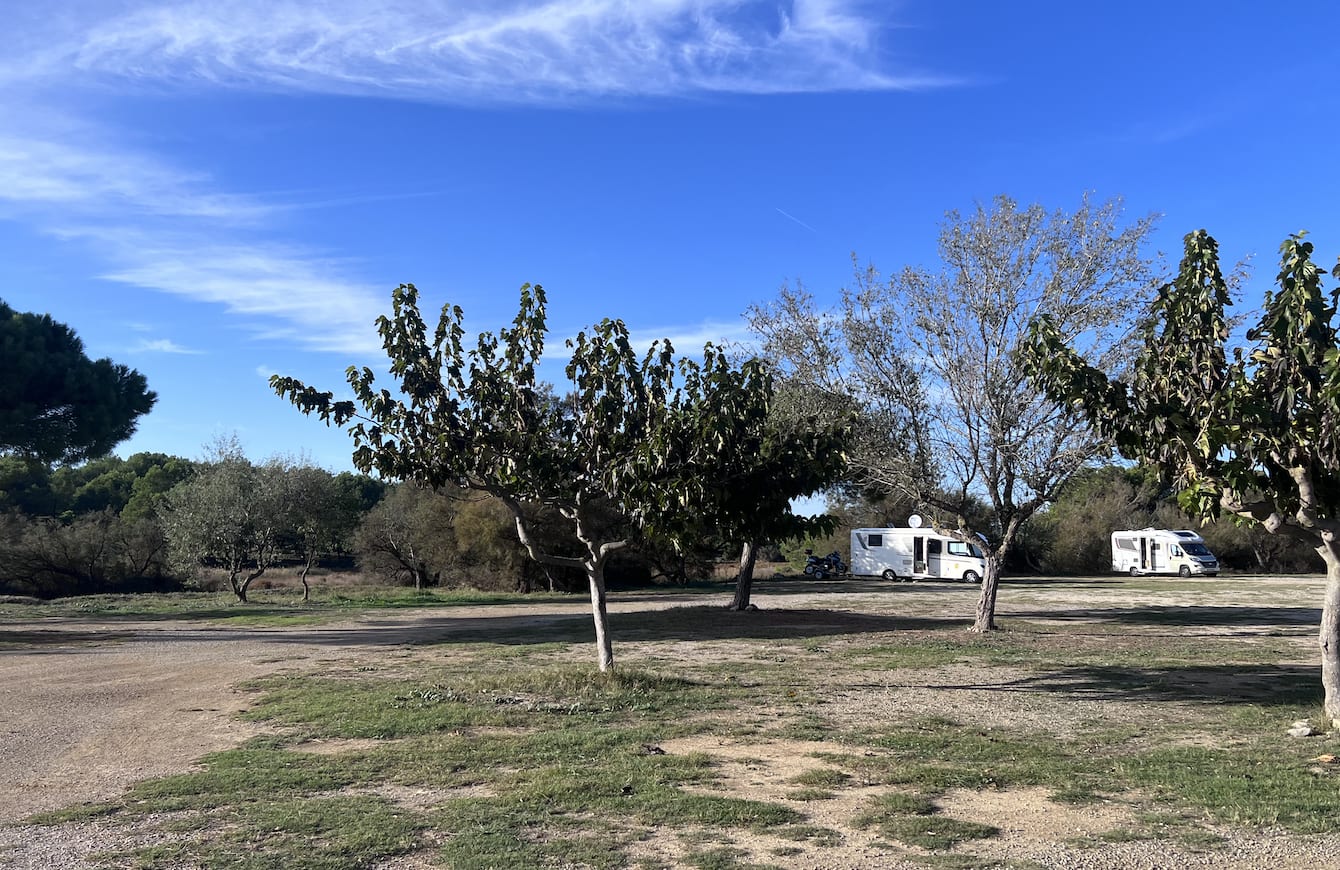
Intro
Starting out with camping can feel like jumping into cold water: new routines, new equipment, a new vehicle—and above all, a completely new way of traveling. This guide walks you step by step through everything you need to know before your first camping trip. You’ll learn how to prepare your vehicle, what to watch out for on the road, which safety risks hide in small details, and how to make your first trip relaxed, safe, and truly enjoyable.
2. Pre-Trip Camper Check – Technical Systems, Water, Gas & Pump
Take your time and check everything—both the base vehicle and the living area. Start with the basics: oil level, brakes, tire pressure, and coolant. These checks only take a few minutes but make a huge difference, especially on long trips or in the mountains. Make sure all lights work as well—tail lights, indicators, headlights. Many breakdowns happen due to things that were easy to prevent.
In the living area, check your gas bottle levels and make sure all lines and regulators are tight. Test the water pump and check whether fresh and waste water lines are properly connected and sealed. A weak pump or a leaking hose can quickly become annoying while showering or washing dishes. Also ensure your leisure battery is fully charged and that all electrical systems—from interior lights to the fridge—are working properly.
Common beginner mistake:
Many campers only discover on the campsite that the gas is empty or the pump isn’t working. A quick check before departure prevents stress and unnecessary repairs.
3. Get to Know Your Vehicle – Size, Weight & Driving Behavior
For many beginners, driving is the biggest source of uncertainty. A camper or motorhome behaves completely differently from a regular car—it’s higher, longer, wider, and heavier. You feel this especially in tight curves, when maneuvering on pitches, or when overtaking on country roads.
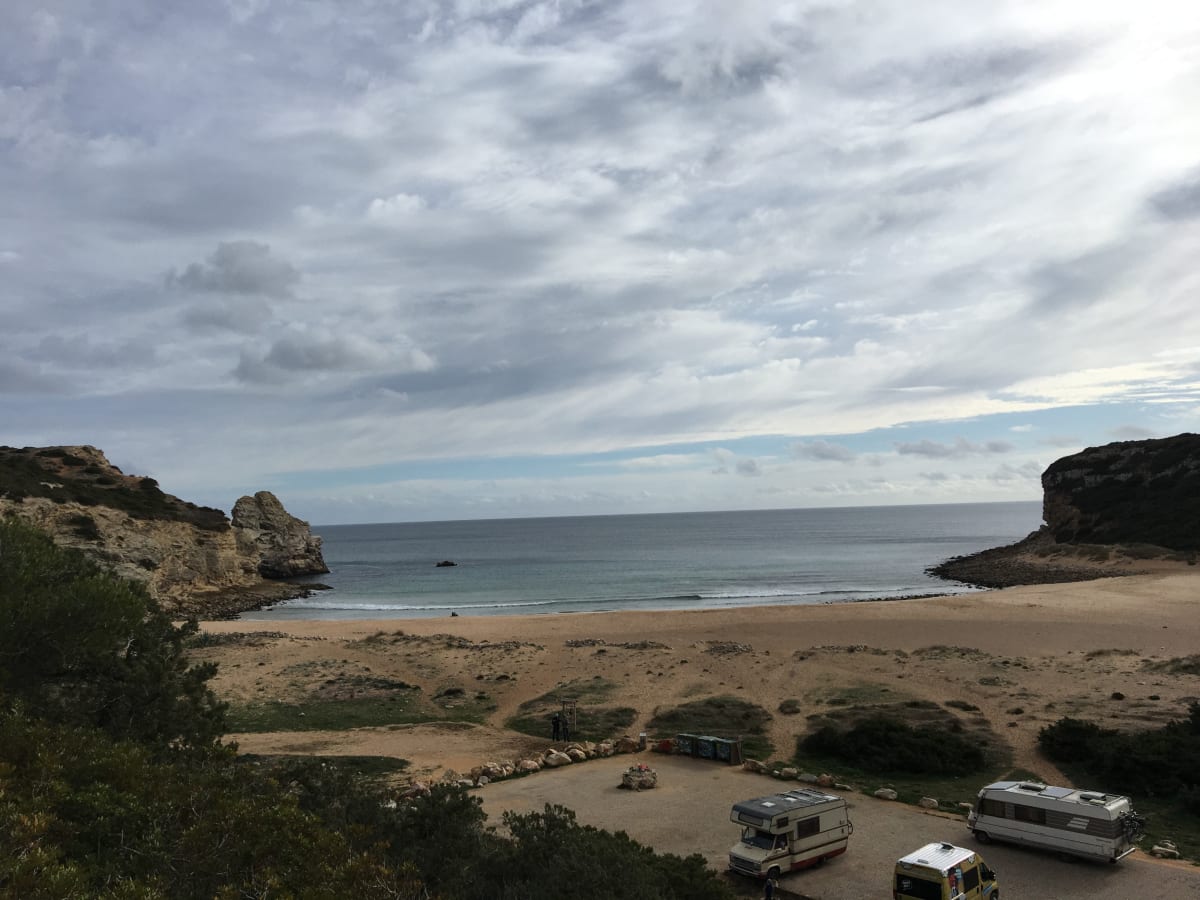
That’s why it’s smart to get comfortable with the vehicle before your trip. Set aside an hour or two and find a quiet spot—a large parking lot or a quiet street. Practice slow starts, braking, reversing, and turning without pressure.
This helps you naturally understand the dimensions: how far the mirrors stick out, how much space you need when turning, and how early you need to brake when fully loaded.
It’s also helpful to get a feel for how the vehicle reacts to crosswinds, inclines, or downhill stretches. Larger motorhomes can sway in the wind, while smaller campers can be sensitive at higher speeds.
Common beginner mistake:
Many beginners drive off without getting used to the vehicle first. This often leads to small damages—scratched mirrors, branches, or walls—that could have been easily avoided.
4. Camping Packing List – The Foundation of Every Trip
A good packing list is key to a relaxed trip. Only when everything important is on board can you fully enjoy the adventure. Beginners often forget items that are hard to buy on the road—adapters, tools, gas regulators, or important documents.
Here is our complete packing list:
👉 Link to detailed camping packing list
Avoid this mistake:
Most people pack too much. Use the list as guidance and cut unnecessary items. Space and weight are valuable resources.
5. Weight & Storage – Why Proper Loading Matters
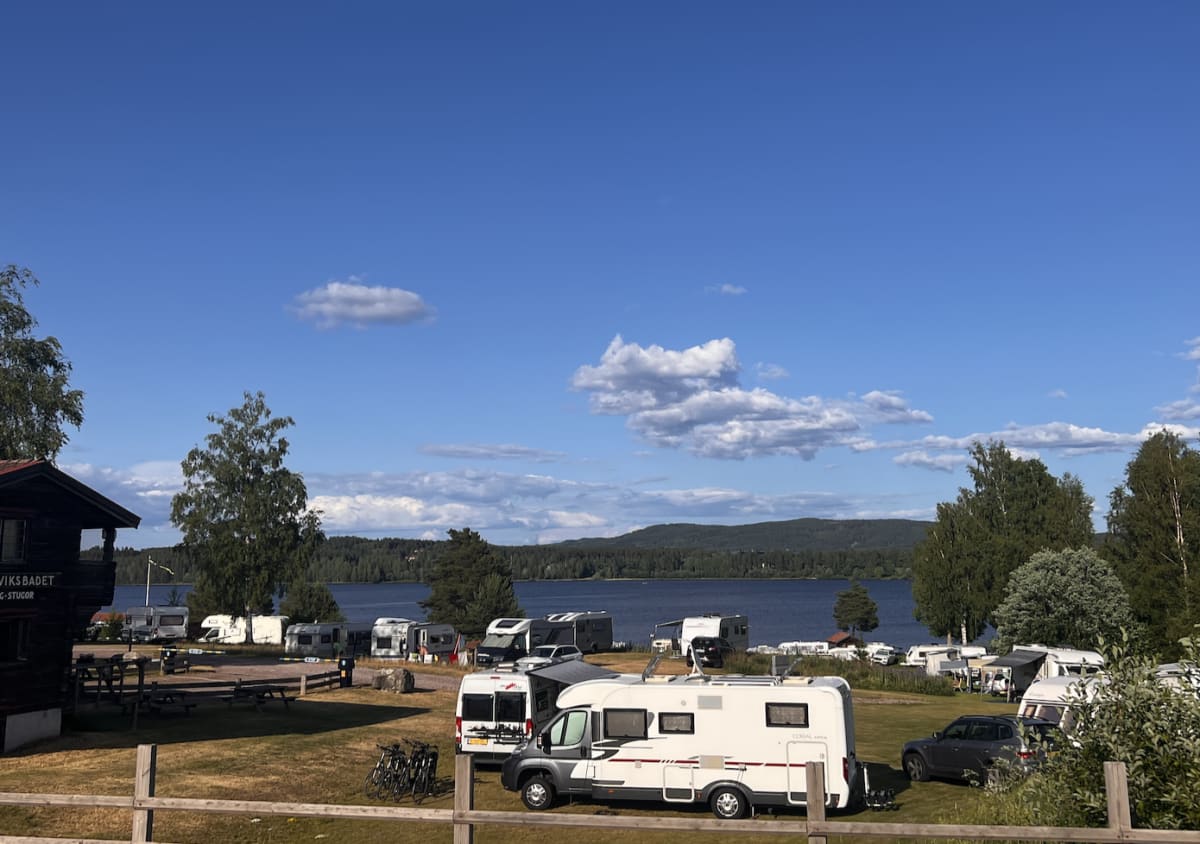
Weight is one of the most underestimated topics for beginners. An overloaded vehicle or poorly stored luggage can be dangerous. Every kilogram affects how the vehicle handles, increases braking distance, and raises accident risk if things shift.
Always store heavy items low and close to the axle. This keeps the center of gravity stable. Lighter things go in the upper cupboards - only if the doors close safely. Many campers experience flying dishes or groceries after the first hard brake because a cupboard wasn’t properly locked.
External gear must be securely strapped: bikes, awnings, roof boxes—nothing should wobble. Pay attention to the permitted total weight and axle load, as fines can be high.
Avoid this mistake:
Unsecured stuff is one of the most common beginner problems. One strong brake is enough to send items flying.
6. Route Planning – Best Done With CampPilot
A thoughtful route is the heart of a successful trip. It reduces stress, saves time, and helps you find suitable pitches in time.
Think about:
- Which route you want to take?
- How many kilometers per day are realistic?
- Where you can fuel up, shop, or refill water?
- Which campsites or spots lie along your route?
The CampPilot app makes this planning simple. You can create routes, filter pitches by amenities, and find activities in the area. Especially helpful in rural regions or when traveling abroad for the first time.
7. Plan Travel Stages Realistically – So You Don’t End Up Sleeping at Rest Areas
One common beginner mistake is trying to cover too much distance in a day. Camping is freedom, but also slowing down. Driving eight hours daily means you miss beautiful places and put yourself under pressure.
Plan shorter legs and decide where you realistically want to stay overnight. Avoid sleeping at big motorway rest areas in countries like France or Spain—they’re known for theft and are unsafe.
Choose smaller, guarded spots or proper campsites for safety and comfort.
Avoid this mistake:
Don’t start searching for a place too late. Arrive early and set up calmly.
8. Safety – What Many Beginners Overlook
Safety is often underestimated. It’s not just about theft but also about protecting yourself, your passengers, and your vehicle.
Never leave valuables visible, even cables.
Lock doors and windows when you leave the vehicle - even on campsites.
Save emergency numbers for your destination country. A dashcam or GPS tracker offers extra security.
Inside, be cautious with gas and ventilation: never heat with open flames, ventilate regularly, and ensure gas is properly connected.
If you travel with a dog, bring leash, documents, and safe transport options.
Avoid this mistake:
Many leave windows or roof hatches open at night—dangerous in wind or rain.
9. Campsites – What Beginners Should Look Out For
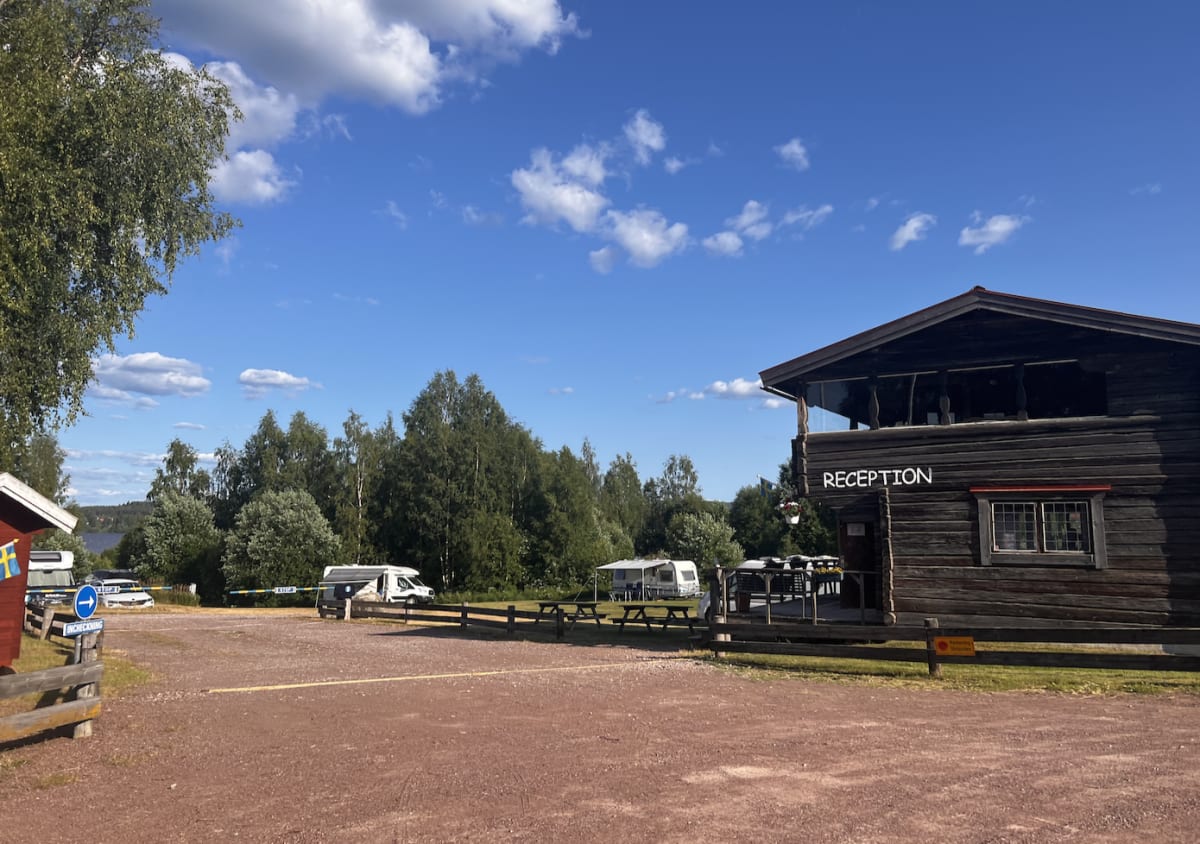
Arriving at a campsite can feel overwhelming. With a few simple tips, it becomes easy.
Watch for low branches or narrow entrances.
Drive slowly and follow signs. Once you reach your pitch, check the ground: is it level? Soft? Uneven? A small level helps.
Think about space for awning, chairs, or your dog.
Avoid this mistake:
Parking too quickly and hitting branches or stones—very common for newcomers.
10. Wild Camping – What You Must Pay Attention To
For many campers, wild camping is the ultimate freedom: a quiet lakeside spot, a mountain view, no neighbors. But beginners must follow essential rules—for safety, nature protection, and local laws.
Trust your gut
If a place feels “off”—people, cars, lighting, noise—drive on. Even if you’re tired: 👉 Your feeling is more important than the perfect spot.
Use reviews – but wisely
Apps like CampPilot or StayFree offer community reviews. Pay attention to:
Safety and crime reports
Terrain (soft ground, potholes, slope)
Whether the spot is legal
Night traffic
How safe others felt
Important:
It's better to rely on reviews from reputable sources—not every app has high-quality or up-to-date information.
Always stay ready to leave
Stay fully ready to drive away at any moment.
That means:
Never open the awning
No chairs or tables outside
No carpets or outdoor setup
Park so you can leave immediately
Keep valuables close
Check the ground so you don’t get stuck
Why you must never open the awning while wild camping:
It makes you look like you’re camping, not parking → often illegal
You lose mobility in emergencies
Wind can destroy your awning
You attract attention instead of staying discreet
👉 Rule of wild camping: Minimalism = Safety
Respect nature
Take your trash, stay quiet, avoid fires, don’t disturb animals, don’t block paths. Many regions only tolerate wild camping if campers behave respectfully.
Follow local laws
Rules vary greatly:
Some countries allow sleeping in the vehicle
Others prohibit it
Some towns provide designated areas
Others impose high fines
Check apps like CampPilot, StayFree or official tourism websites.
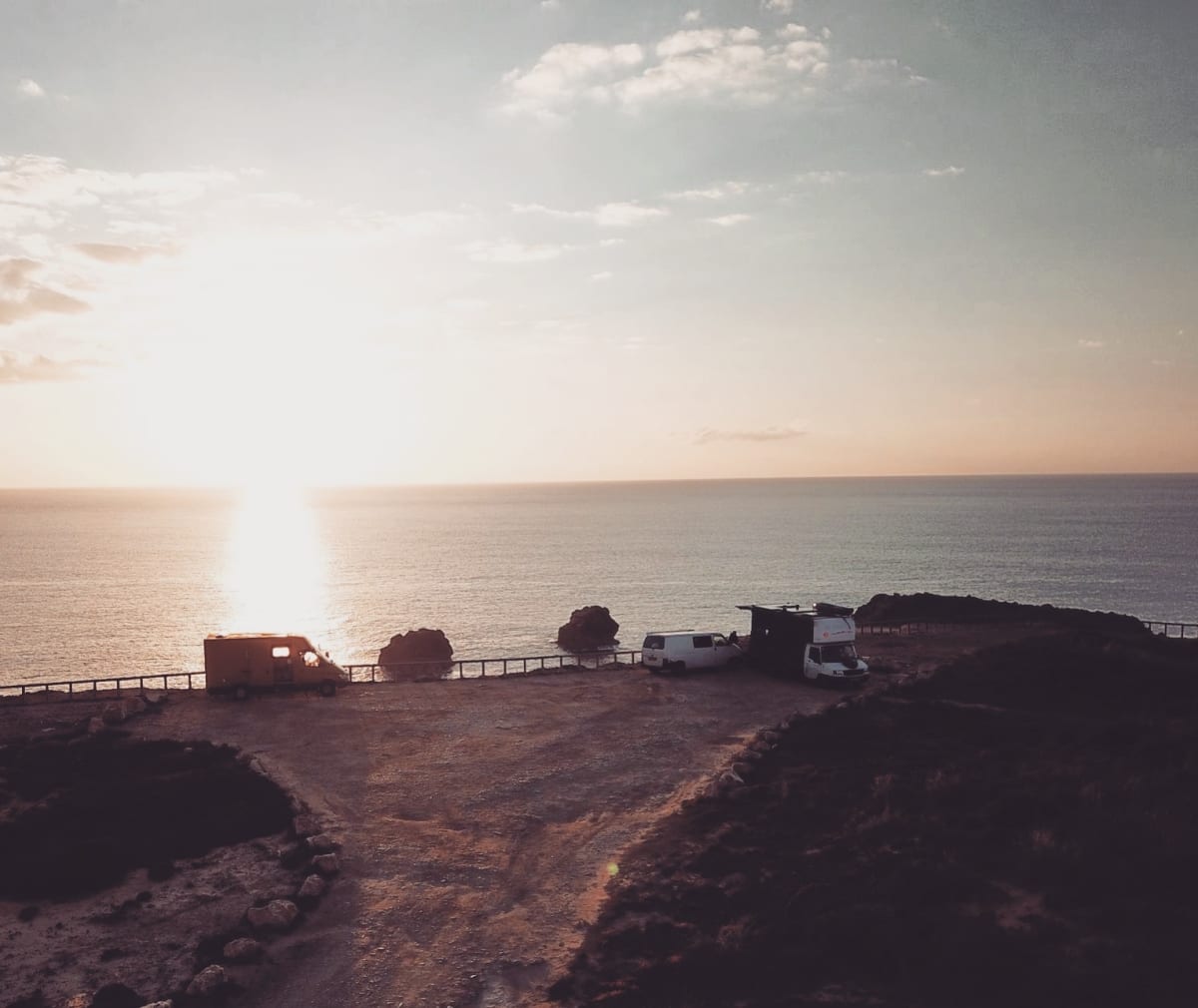
Typical beginner mistakes:
- Setting up chairs or awnings
- Staying somewhere despite feeling unsafe
- Ignoring reviews
- Not being ready to leave
- Parking in protected areas
- Sleeping near busy roads
Note:
Being outdoors should be liberating—not stressful. If you follow a few simple basic rules, you can enjoy the tranquility of nature safely and responsibly.
11. Check Water, Waste Water & Connections Before Leaving
Before you drive off in the morning, go through the vehicle completely: check fresh water, empty waste water, disconnect all cables, turn off devices, close gas bottles, check exterior security (awning in, windows closed, bike rack secured).
Avoid this mistake:
Many forget to disconnect power or empty waste water—this causes big issues later.
Conclusion – Your Start Into Camping Can Be Relaxed
Your first camping trip is a special experience—full of impressions, small challenges, and unforgettable moments. With good preparation, safe handling of your vehicle, and a relaxed mindset, uncertainty quickly turns into routine. Many beginner mistakes only happen once; after that, you know exactly what works.
Camping isn’t about perfection—it’s about freedom. Being outside, discovering new places, finding your own rhythm. The better prepared you are, the easier it is to stay flexible on the road—and that’s the magic of traveling this way.
Published on December 11, 2024