1.Overview
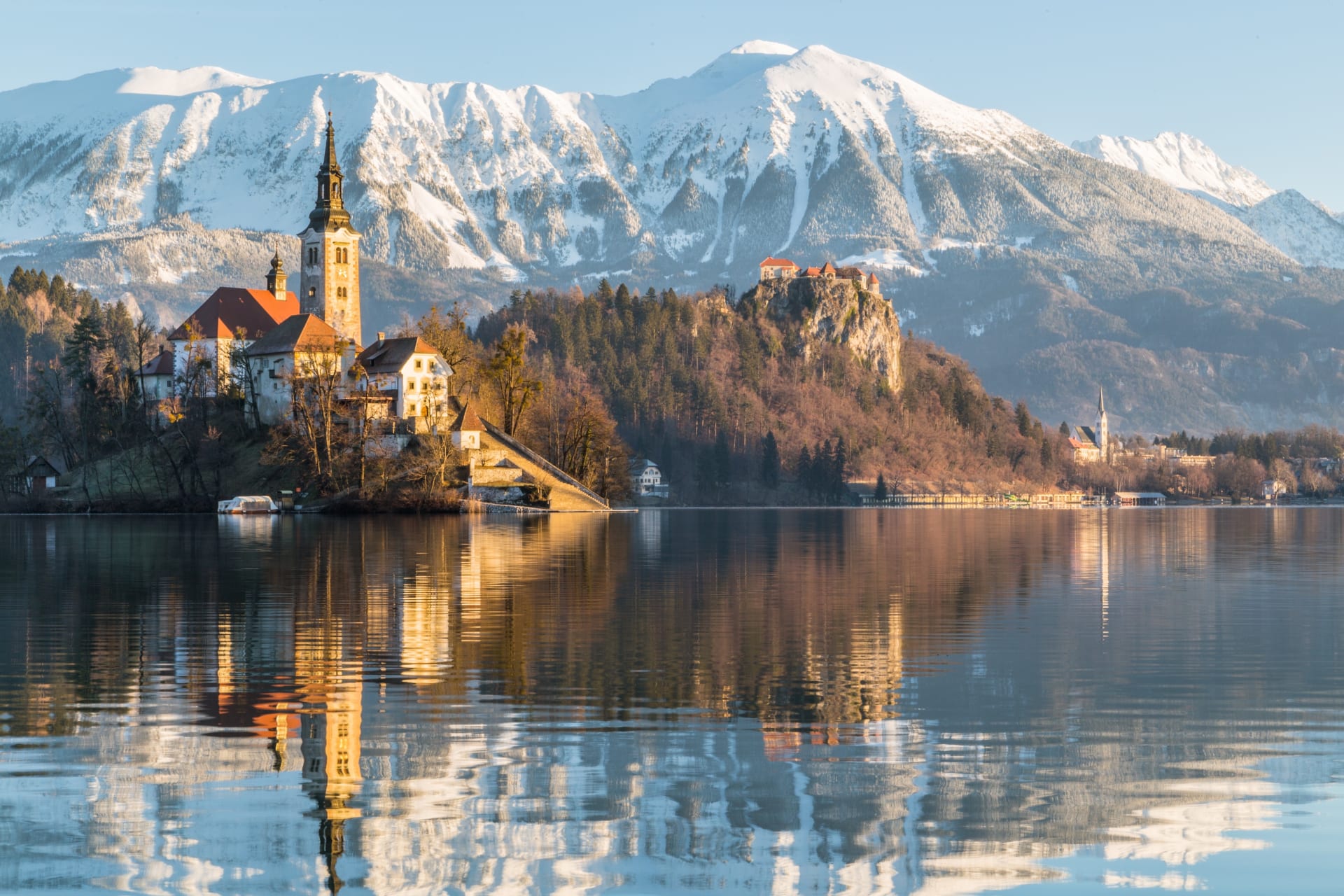
Austria is one of Europe’s most enchanting motorhome destinations — a country where alpine peaks, turquoise lakes, lush valleys, vineyards, glaciers, and storybook villages blend into a landscape so beautiful it feels almost unreal.
Whether you wake up beside a quiet mountain lake, drive across legendary alpine passes, stroll through historic towns, or spend the evening in a cozy Gasthaus, Austria delivers a mix of nature, culture, comfort, and adventure that few countries can match.
For motorhome travelers, the infrastructure is outstanding: clean, well-organized campsites, excellent mountain roads, a simple vignette toll system, and a strong camping culture that makes traveling here incredibly smooth.
This guide gives you everything you need to plan the perfect motorhome trip through Austria — including travel routes, the best camping spots, mountain passes, wild-camping rules, and insider tips for summer and winter.
2.Getting There
2.1 Arriving with Your Own Motorhome
Most travelers enter Austria by road from one of the neighboring countries. Border checks are usually quick and straightforward.
Main entry routes include:
Germany → Tirol, Salzburg, Upper Austria, Vorarlberg
Wide, modern roads and the easiest access for most European travelers.Switzerland → Vorarlberg or Tirol
Ideal if you're coming from the Alps or Lake Constance region.Italy → Tirol or Carinthia
Stunning but mountainous routes over the Brenner Pass or through South Tyrol.Slovenia → Carinthia or Styria
Beautiful green landscapes and easy driving.Czech Republic / Slovakia → Upper Austria or Vienna region
Smooth approaches with excellent highways.
Austria’s geography means that even short distances may involve tunnels, steep climbs, sudden rain showers or snowfall, and winding roads. That’s part of the adventure — just make sure your motorhome is equipped for alpine terrain.
2.2 Toll System (Vignette + Extra Fees)
Austria uses a vignette system for motorways and expressways.
If you drive a motorhome under 3.5 t, you must purchase a vignette before entering the motorway.
The Vignette
Cost: €11.50 (10-day), €29 (2-month), €96.40 (1-year)
Required for all vehicles under 3.5 t
Available:
At the border
At fuel stations in neighboring countries
Online as a digital vignette
Once you have it, you can use Austria’s excellent motorway network without stopping at toll booths.
Additional tolls
The vignette does not cover certain alpine routes, tunnels, and scenic roads, such as:
The Großglockner High Alpine Road
The Gerlospass
The Tauerntunnel
Several mountain tunnels in Tirol and Vorarlberg
2.3 The Großglockner High Alpine Road
One of Europe’s most spectacular mountain drives — and a bucket-list experience for motorhome roadtrippers.
Day ticket: €43 for motorhomes
Motorhomes over 3,500 kg pay a surcharge
Open only May to October
Closed in winter due to heavy snow
If you travel between November and early May, it’s better to stay on the motorway, for example:
Graz → A10 motorway → Innsbruck (instead of crossing the alpine passes).
The scenery in summer, however, is unforgettable: glacier views, dramatic hairpins, waterfalls, marmots, and the famous Kaiser-Franz-Josefs-Höhe viewpoint.
3.Entry & Formalities
3.1 Documents
Austria is part of the Schengen Area.
You need:
Passport or national ID card
Vehicle registration
Insurance (green card recommended)
For pets: EU Pet Passport + microchip + valid rabies vaccination
3.2 Currency & Payments
Austria uses the Euro (€).
Good to know:
Cards are accepted almost everywhere
Many campsites allow online check-in and contactless payment
Parking meters increasingly support card payments and mobile apps
4.Driving
Driving in Austria is pleasant — roads are well built, signage is excellent, and traffic outside major cities is calm. But alpine terrain demands attention and respect.
4.1 Speed Limits
50 km/h – towns
100 km/h – rural roads & expressways
130 km/h – motorways
Motorhomes over 3.5 t often have lower limits, depending on road category.
Speed cameras are frequent, and fines can be high - Austria takes safe driving seriously.
4.2 Mountain Roads & Passes
Driving through the Alps is magical, but you should expect:
Narrow cliffside roads
Sharp hairpin bends
Sudden fog or storms
Steep gradients
Temperature differences of 10–15°C within an hour
Famous passes suitable for experienced motorhome drivers include:
Grossglockner High Alpine Road
Gerlos Pass
Fern Pass
Arlberg Pass
Silvretta High Alpine Road
Nockalm Road
Always check:
Weather reports
Road closures
Brake and tire condition
Fuel level (keep at least 1/3 tank in the Alps)
4.3 Weather
Alpine weather changes fast. A warm valley can turn into a snowy mountain within minutes.
Always check GeoSphere Austria (Austrian weather service) before crossing high passes.
5.Camping
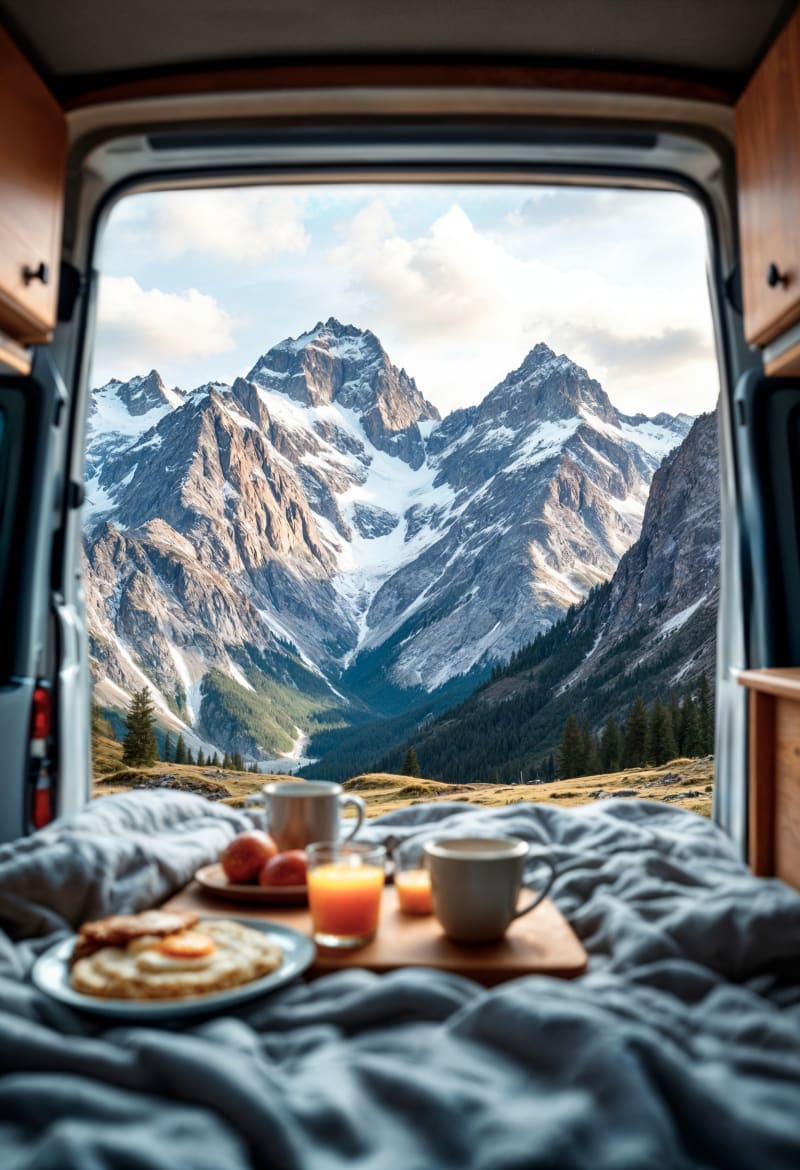
Austria offers some of the best camping experiences in Europe — clean, organized, scenic, and perfectly suited for motorhomes. The country has over 600 official campsites, dozens of alpine holiday parks, and a growing number of RV stopovers.
5.1 Official Campsites
Austrian campsites feel more like well-run holiday resorts. You’ll find:
Sanitary blocks
Heated shower rooms
On-site restaurants or bakeries
Lakeside beaches
Mountain views everywhere
Bike rentals, wellness areas, indoor pools
Direct access to hiking trails or ski lifts
Typical prices:
€25–€45 low season
€45–€70 high season
€80–€120 premium spa campsites (e.g., in Tirol or Salzburger Land)
The quality is exceptional — Austria invests a lot in tourism, and it shows.
5.2 Motorhome Stopovers (Stellplätze)
Austria’s network of Stellplätze is growing rapidly. These are simpler than full campsites but perfect for overnight stays:
Usually available:
Fresh water
Greywater & toilet disposal
Electricity (often)
Waste bins
Scenic locations near towns or nature
Cost: free to €25 per night
Many Stellplätze are located:
At marinas
Near lakes
At cable-car stations
Next to thermal spas
In charming alpine villages
They offer the peaceful feeling of wild camping — without breaking the law.
5.3 Wild Camping
Wild camping in Austria is complicated and regulated at the provincial (state) level.
General rules:
Wild camping is mostly prohibited, especially in forests, national parks, and near lakes.
Some provinces enforce strict fines.
One-night emergency rest is usually tolerated in public car parks, if no camping behavior occurs.
If you want the wild-camping feeling legally, use:
Mountain hut parking
Farm-based Stellplätze
Winery camps
Rural campsites with large natural plots
5.4 Winter Camping in Austria
Winter camping in Austria is a highlight for many travelers. Unlike other countries where most campsites close, Austrian winter campsites are superb, especially in Tirol, Salzburg, Kärnten, and Vorarlberg.
Many winter camping resorts offer:
Saunas, steam baths, and wellness areas
Heated floors in sanitary buildings
On-site restaurants
Ski bus connections or direct access to slopes
Dry rooms for ski gear
Cozy taverns and après-ski spots nearby
This makes winter camping incredibly comfortable — even luxurious.
To winter camp safely, your motorhome should have:
Good insulation
Plenty of gas or diesel for heating
Winter tires (mandatory)
Snow chains
A frost-proof water setup
Austria's winter campsites deliver true alpine magic: snowy mountain mornings, steaming saunas, and a warm camper at night.
6.Services
Austria’s service infrastructure for motorhomes is excellent.
Water & Waste Disposal
You can find V+E (fresh water + greywater + chemical toilet disposal) at:
Almost all campsites
Many Stellplätze
Numerous fuel stations
Tourist information centers in alpine regions
Cable car parking areas
Lakeside recreation zones
Everything is well-marked, modern, clean, and easy to use.
Gas
Austria uses its own bottle system.
Foreign bottles cannot always be exchanged
LPG refilling is widely available, especially along motorways
For longer stays, consider buying an Austrian gas bottle
Groceries & Shopping
Supermarkets are excellent:
Spar / Eurospar / Interspar – wide range
Billa – popular and good selection
Hofer (Aldi) – cheapest
MPreis – common in Tirol
Farm shops and weekly markets offer local cheese, cured meats, fresh bread, alpine honey, jams, schnapps, herbs, and seasonal produce.
Internet & Connectivity
Austria has very strong 4G/5G coverage.
EU roaming works with most providers
Campsites almost always offer Wi-Fi
Remote valleys may have short dead zones behind mountains
7.Routes
8.Highlights
• Großglockner – highest mountain in Austria (3,798m)
• Lake Neusiedl – largest lake in Austria
• Lake Wörthersee – picturesque lake in Carinthia
• Hallstätter See – spectacular lake in Salzkammergut
• Hohe Tauern National Park – largest national park in Austria
• Danube – largest river in Austria
• Salzkammergut – lake region
• Vienna – capital, culture, music
• Salzburg – Mozart, festivals, old town
• Innsbruck – alpine city, culture
• Graz – university city, culture
• Hallstatt – picturesque village on the lake
• Melk – Benedictine abbey
• Dürnstein – wine town on the Danube
• Hiking in the Alps
• Skiing in winter
• Water sports on the lakes
• Cycling along the Danube
• Climbing
• Culture and city tours
• Wine tasting
• Wiener Schnitzel – national dish
• Sachertorte – chocolate cake
• Apple strudel – sweet pastry
• Käsekrainer – sausage
• Beer – Austrian beer
• Wine – from various regions
• Coffee house culture
9.Costs
Austria is not the cheapest destination, but the quality is excellent.
Expected costs:
Campsites: €25–€110
Stellplätze: €0–€25
Motorway vignette: €11.50–€96
Diesel: higher than EU average
Groceries: moderate
Eating out: mid-to-high
Coffee: €3–€5
Money-saving tips:
Travel in May, June or September
Use Stellplätze instead of big campsites
Shop at Hofer (Aldi)
Drink tap water (excellent)
Avoid toll roads when possible
10.Safety
Austria is a very safe travel destination, but alpine travel requires awareness.
Be mindful of:
Rapid weather changes
Road closures in winter
Strong alpine winds
Narrow passes
Ice on shaded mountain roads
Wheel chocks on sloped parking
Fuel availability in remote valleys
Emergency number: 112