1.Overview
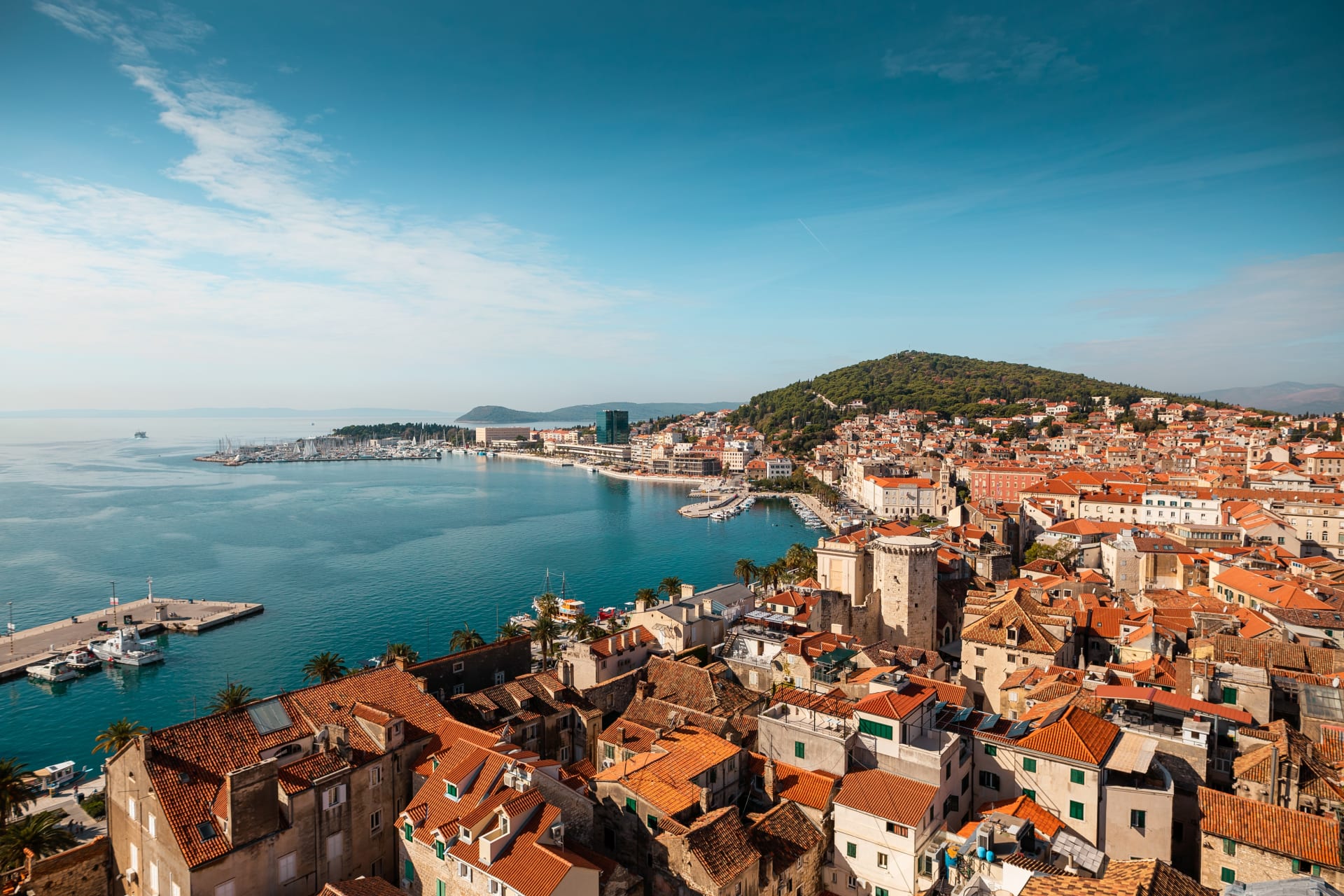
Croatia is one of Europe’s great motorhome destinations — a country where dramatic nature, ancient history, island life and the warm Adriatic Sea merge into an unforgettable journey. Stretching from the peninsula of Istria to the medieval streets of Dubrovnik, the coastal road alone is worth the trip: cliffs covered in pine forests plunge into crystal-blue bays, old stone villages cling to the mountainsides, and more than 1,200 islands lie scattered along the horizon.
For motorhome travellers, Croatia offers an ideal mix - more than 300 beautiful campsites, modern coastal resorts, small family-run RV-parks, and reliable infrastructure. At the same time, it retains a stunning amount of raw, rugged beauty — especially in the inland regions, where waterfalls, karst mountains, caves, and forests dominate the landscape.
Croatia is no longer the “budget secret” it once was, but the value remains excellent, especially outside July and August.
And as of 2023, the country uses the euro, which makes paying, budgeting, and accessing services much easier than before.
For those who love sea views, nature, fresh food, and a mix of Mediterranean and Slavic culture, Croatia is a dream destination for a motorhome road trip.
2.Getting There
2.1 Arriving with Your Own Motorhome
Most travellers enter Croatia by road through Slovenia, Austria, or Italy, depending on the starting point. The Slovenian and Italian routes are particularly easy — the highways are smooth, the signage is clear, and traffic tends to be relaxed outside of major holidays.
In summer, border traffic can increase, especially on weekends, but the process itself is fast and efficient.
The first thing most travellers notice is the quality of the roads: the coastal highway, the inland motorways and most regional roads are well maintained. However, as soon as you leave the main arteries for villages, mountain roads or islands, things become narrower and more winding. A large motorhome requires patience in older towns and small harbours.
2.2 Ferries to Croatia
With more than a thousand islands, Croatia relies heavily on ferries, and this is one of the country’s charms. Reaching the islands is easy and comfortable, and almost all ferries welcome motorhomes.
International ferries run mainly from Italy — from Ancona, Bari, Venice or Trieste — and connect to major Croatian ports such as Zadar, Split or Dubrovnik. These crossings are smooth, and overnight cabins make longer routes relaxing.
Domestic ferries, operated mostly by Jadrolinija, connect the mainland to the islands. They run frequently, especially in summer, and allow you to island-hop at your own rhythm. Even if the Adriatic appears calm, bookings in July and August are advisable for larger motorhomes, particularly to Hvar, Brač, Cres and Korčula.
Tip
In July and August, you should book ferries early, especially on popular routes to Hvar, Brač, and Korčula.
3.Entry & Formalities
3.1 Documents & Currency
Entry is straightforward: EU citizens only need an ID card or passport. Pets require the usual EU pet passport, microchip and rabies vaccination.
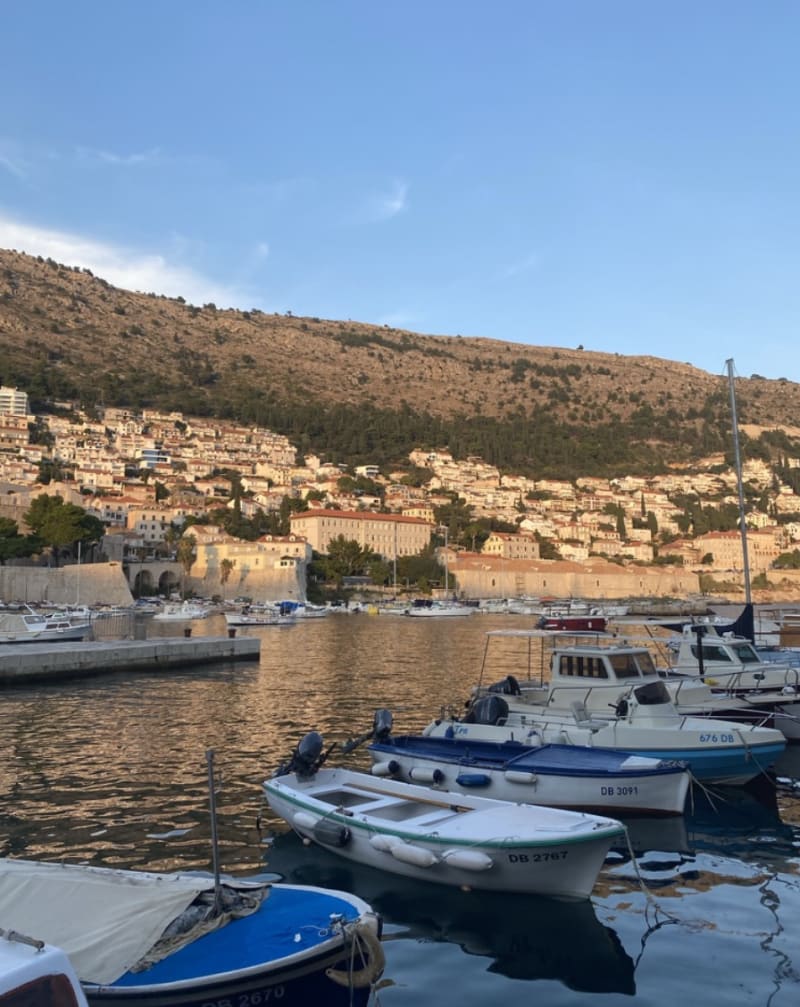
Since January 2023, Croatia has officially adopted the Euro (€). This means no more currency exchange and no confusion about kuna prices.
Credit cards are widely accepted everywhere: supermarkets, campsites, ferries, restaurants, toll stations, and even many beach kiosks. Almost every parking machine now accepts cards or digital payment.
3.2 Vehicle Requirements & Tolls
Driving rules follow the EU standard. Lights must be on at all times, and carrying a warning triangle is mandatory. Croatia’s alcohol limit is 0.5‰.
Croatia uses a ticket-based toll system on its main motorways. You take a ticket when entering the highway and pay when exiting. The tolls are fair and typically cheaper than Italy. Payment is possible in euros or by credit card. Frequent travellers sometimes get the ENC device, an electronic tag that reduces toll costs and speeds up driving through gates.
Parking regulations vary by town. Old cities like Split, Rovinj or Dubrovnik have strict zones where motorhomes cannot enter or park, so using official lots or park&ride options is recommended.
4.Driving
Driving in Croatia is usually a pleasure, especially along the coast where the views are spectacular. However, it requires attention and calmness: the coastal road is curvy, with occasional steep cliffs and limited passing zones.
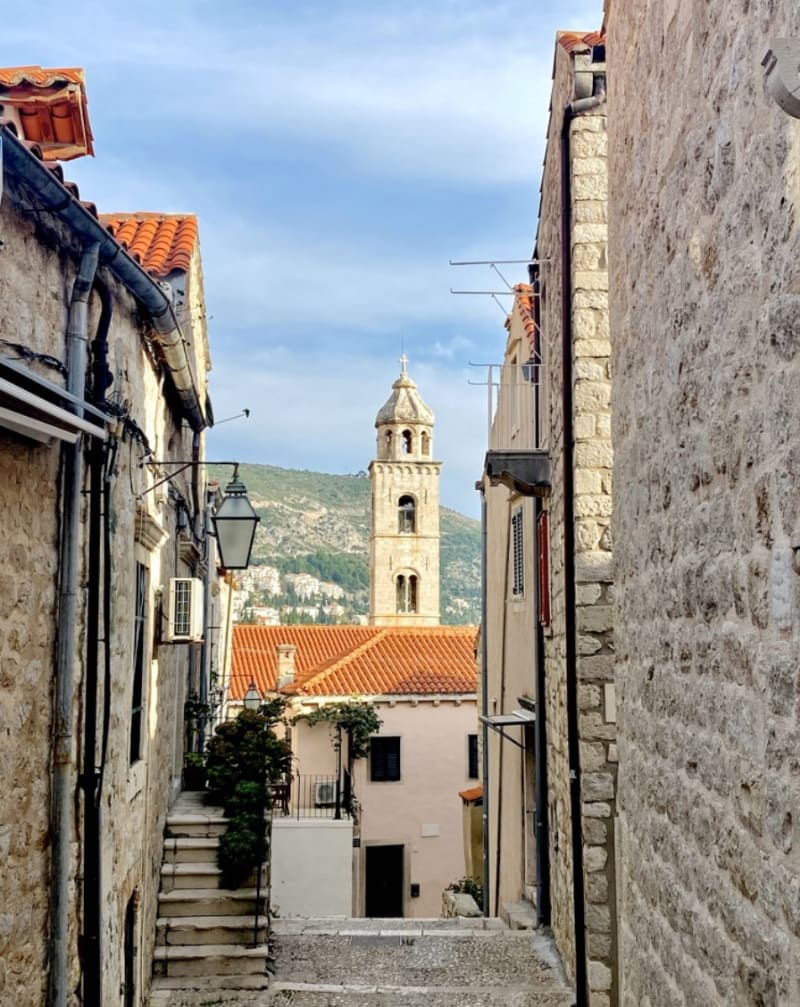
Inland motorways are wide and modern, but small villages tend to have narrow stone streets that were never designed for modern vehicles, especially motorhomes. The best approach is to park outside and walk into historic centres.
Summer traffic can be heavy near beach towns, national parks and ferries. Leaving early, avoiding weekends for long stretches, and planning ferry crossings in advance can save a lot of time.
5.Camping
5.1 Campsites
Croatia is one of Europe’s best camping destinations, with roughly 300 official campsites, many of which offer spectacular seaside locations. From family-oriented resort-style camping villages with pools and restaurants to small pine-shaded campgrounds with direct beach access, the variety is enormous.
Most coastal campsites are well maintained, offer modern sanitary buildings, good electricity and water connections, washing machines, minimarkets, and often even pools and beach bars. Some of the newer facilities resemble small holiday resorts with water parks and wellness areas.
Because the coastline is so popular, advance reservations are highly recommended for July and August — especially for motorhomes requiring larger pitches or wanting front-row sea views.
In May, June and September, most campsites are quieter, cheaper and more relaxed — these months are considered by many long-term travellers as the best time to visit Croatia.
5.2 RV-Parks
A key advantage for motorhome travellers is the growing number of dedicated motorhome RV Parks. These designated areas are typically smaller than a full campground but offer essential services such as electricity, water, grey-water disposal and chemical toilet emptying.
They are ideal for travellers who move frequently, avoid crowded resorts, or simply want a quiet and practical overnight stop. Many RV parks are located near marinas, in small coastal towns or in rural inland villages where you can enjoy authentic Croatian atmospheres.
The quality can vary — some are very modern and newly built, while others are simpler — but overall they offer good value, especially outside the peak season.
5.3 Wild Camping
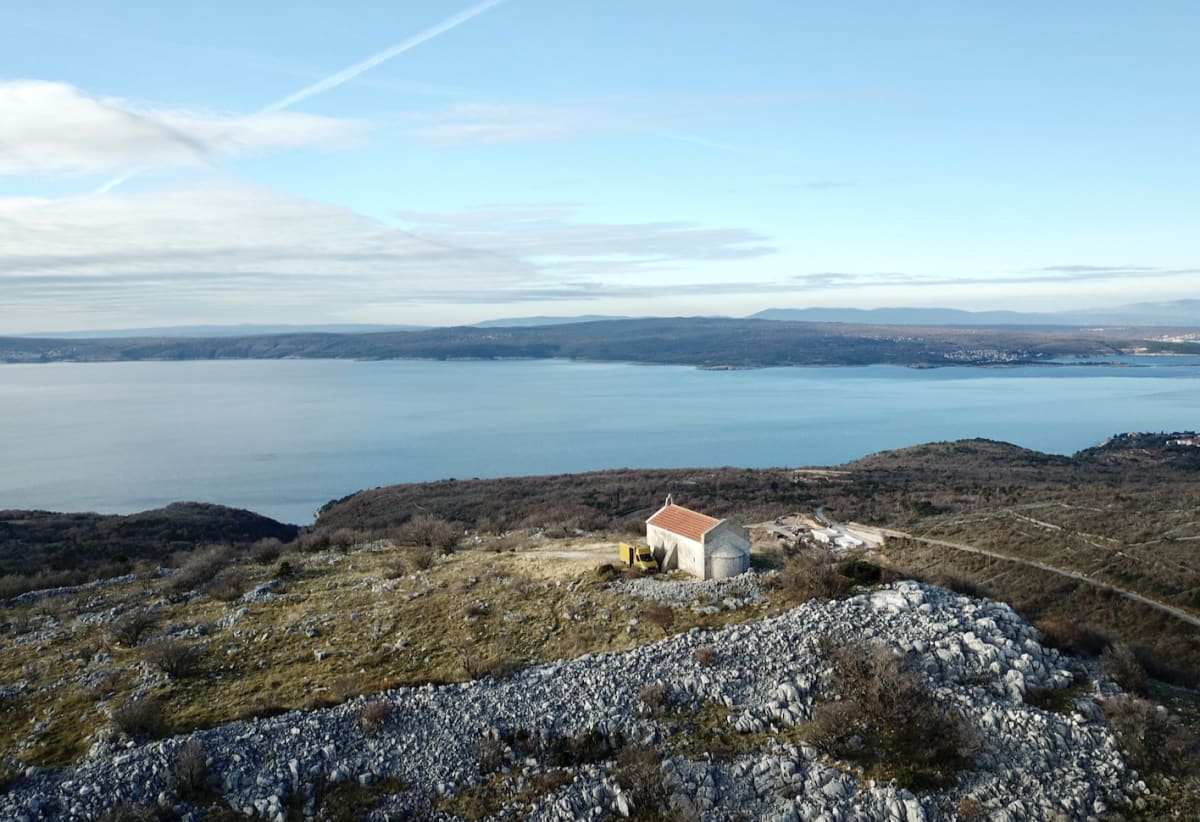
Wild camping is officially prohibited in Croatia, and the fines can be really high. These rules are enforced most strictly along the coastline, in national parks, and on islands where tourism pressure is heavy. Police and local authorities patrol popular beach areas frequently, especially during summer, and motorhomes parked outside legal areas are quickly reported.
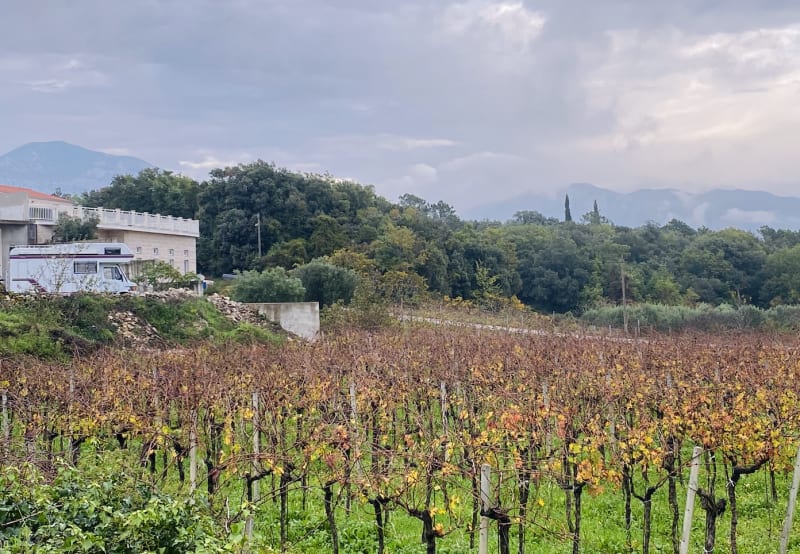
Outside the main season - roughly November to early April - Croatia becomes much quieter, and some travellers do report that a discreet overnight stay in remote inland areas is occasionally tolerated. This generally applies to agricultural regions, forested areas, or quiet villages far from tourist hotspots. If you try this, it is crucial to behave respectfully: keep your footprint invisible, avoid setting up a camp - no chairs, tables and outdoor cooking, and leave early the spot en the morning.
It's also worth noting that winter weather in Croatia can be uncomfortable for wild camping. Coastal areas are often windy, with sudden storms and strong gusts of the cold “Bura” wind. Heavy rain and flooding can occur, roads can become slippery, and many remote coastal spots turn muddy or inaccessible.
6.Services
Croatia is well-equipped for motorhome tourism.
Water & Waste:
Most campsites and RV parks have clean and efficient disposal stations. Marinas often allow motorhomes to use their facilities for a small fee. Water quality is good throughout the country.
Gas:
Croatia uses its own gas bottle system. German or Austrian bottles often cannot be refilled. LPG stations exist but are less frequent outside cities. For a longer stay, buying a local gas cylinder is the hassle-free option.
Shopping:
There are many supermarkets in Croatia - Lidl, Konzum, Kaufland and Plodine offering familiar European shelves. Local markets are fantastic for fresh peaches, figs, tomatoes, honey, olive oil and fish straight from the coast.
Food:
Croatian cuisine is a highlight of any visit. Along the coast, seafood is king: grilled fish, octopus salad, squid stew and black risotto. Inland regions offer hearty meat dishes, homemade pasta, truffle specialities and the famous Pag cheese.
7.Routes
Adriatic Coast: 7 Jewels of Croatia
8.Highlights
• Plitvice Lakes – 16 cascading lakes, UNESCO World Heritage
• Krka National Park – spectacular waterfalls
• Paklenica National Park – climbing paradise
• Kornati Islands – 89 islands, national park
• Brijuni Islands – national park, former presidential island
• Velebit – mountain range, national park
• Dubrovnik – 'Pearl of the Adriatic', historic old town, UNESCO World Heritage
• Split – Diocletian's Palace, UNESCO World Heritage
• Zadar – historic city, Sea Organ
• Pula – Roman amphitheater
• Trogir – historic old town, UNESCO World Heritage
• Šibenik – cathedral, UNESCO World Heritage
• Rovinj – picturesque coastal city
• Beach holidays on the Adriatic coast
• Water sports (surfing, diving, sailing)
• Island hopping – over 1,000 islands
• Hiking in national parks
• Climbing in Paklenica
• Cycling along the coast
• Culture and city tours
• Boat tours to the islands
• Fresh seafood
• Crni rižot – black risotto
• Peka – traditional stew
• Pršut – Croatian ham
• Cheese from the islands
• Local wine
• Olive oil
9.Costs
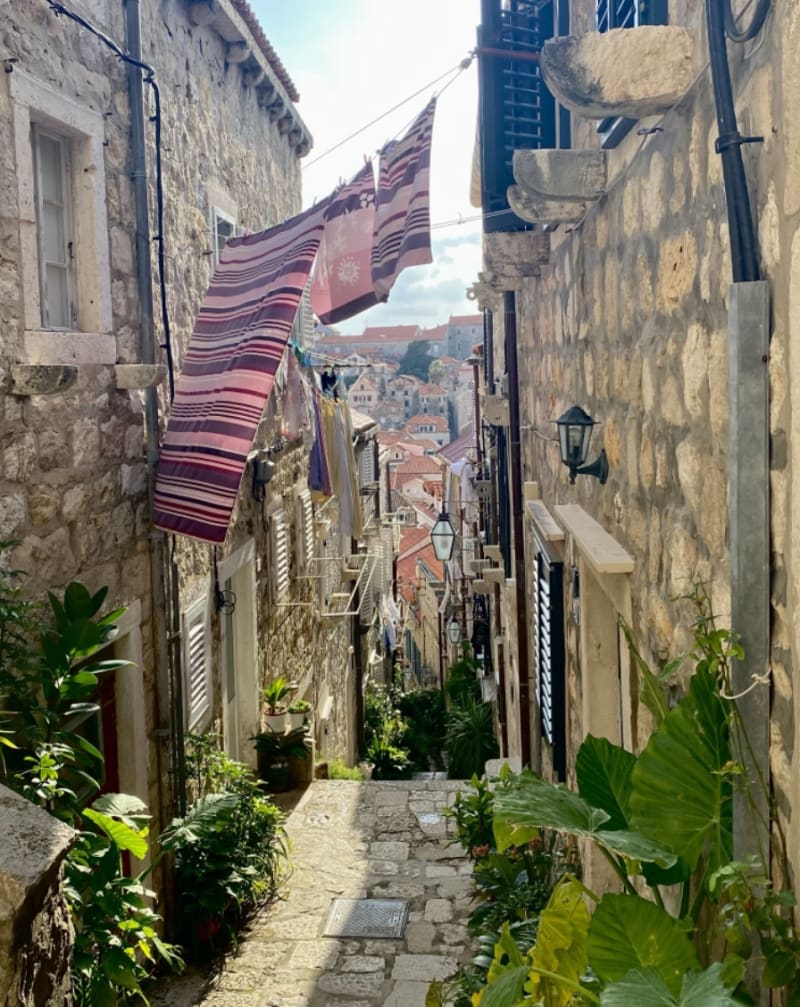
Croatia is no longer cheap, especially in high season, but prices remain manageable with careful planning.
Camping ranges from €25 to €80, depending on season and location.
Dining out is reasonable, with many excellent seafood restaurants offering main courses for €12–25. Groceries are mid-range, and tolls add up but stay below Italian levels.
Diesel prices fluctuate but generally sit around the European average.
10.Safety
Croatia is considered one of the safest countries in Europe. Crime rates are very low, and both police and emergency services respond quickly and efficiently. Most travellers feel comfortable everywhere, whether in cities, villages or remote coastal areas.
The most relevant risks for roadtrippers and motorhome travellers are not related to crime, but to weather and nature - especially during the summer months.
Wildfires in Summer
Croatia is hot and dry from June to September, particularly along the Dalmatian coast. During long heatwaves, temperatures can exceed 35°C, and the combination of dry vegetation and strong winds creates ideal conditions for wildfires.
Wildfires can:
spread quickly through pine forests and hillsides
cause temporary road closures
impact ferry schedules on windy days
create heavy smoke along coastal roads
As a camper, you should always:
avoid parking or cooking near dry grass
never use open flames outside designated campsite areas
follow local fire warnings (“požar opasnost”)
check regional alerts during heatwaves
Header photo by wirestock on Freepik