1.Overview
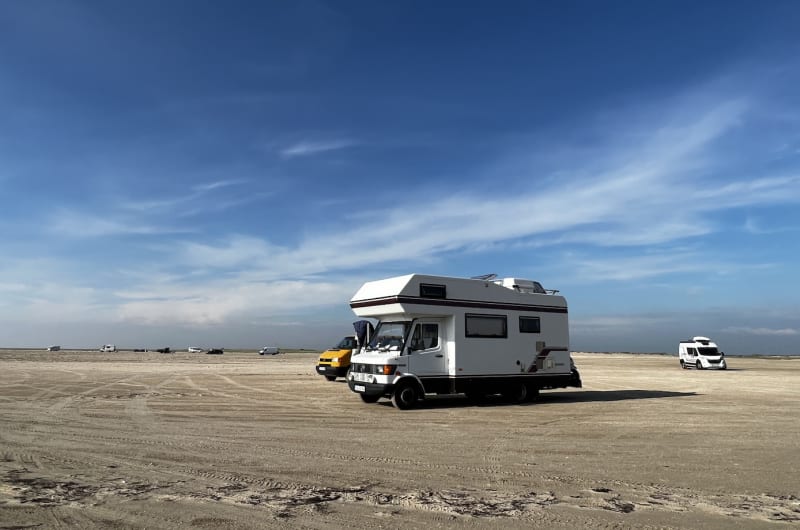
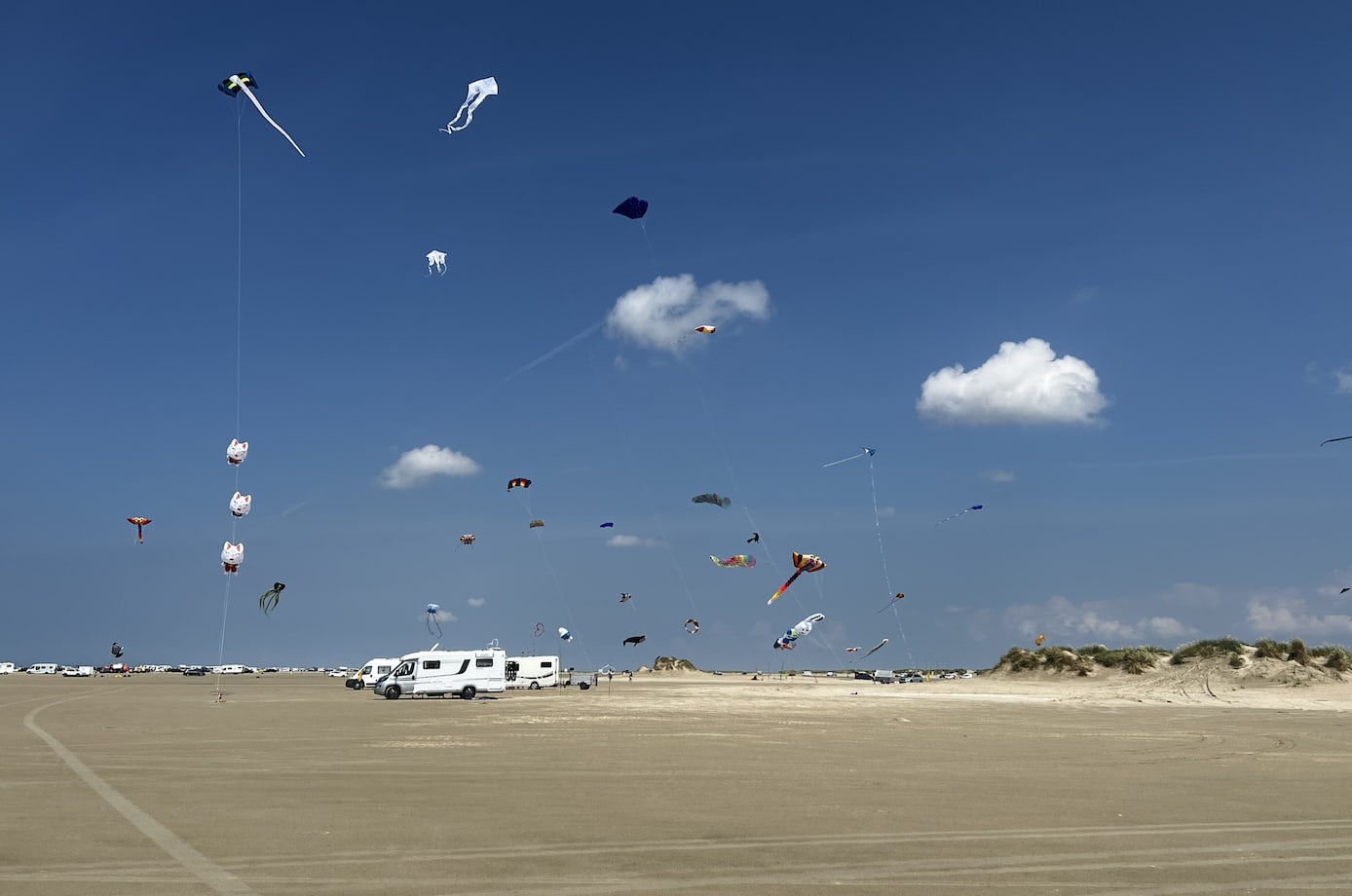
Denmark is one of Europe’s most relaxing and satisfying destinations for a roadtrip. With over 7,000 km of coastline, gentle dunes, long sandy beaches, quiet forests and fjords, charming fishing towns, modern cities and a deep cultural love for nature, it feels tailor-made for vanlife and motorhome travel.
What makes Denmark special is not just the scenery, but also the atmosphere: calm roads, friendly people, well-maintained infrastructure and a sense of simplicity that immediately slows you down.
For campers, it’s a dream. The country has some of the cleanest and best-equipped campsites in Europe, a growing number of modern motorhome areas, plenty of cosy farm stays, and an overall approach to travel that feels organised without being strict, relaxed without feeling chaotic.
Wild camping is officially forbidden, but Denmark offers so many beautiful and thoughtfully designed alternatives that you rarely miss it.
2.Getting There
2.1 Arriving With Your Own Vehicle
Most travellers enter Denmark from Germany. Because Denmark is part of the Schengen Area, border crossings are smooth and usually quick. Within minutes of crossing the border, you’ll notice the calmer traffic, clear road signs and wide, well-kept roads.
2.2 Ferry Connections
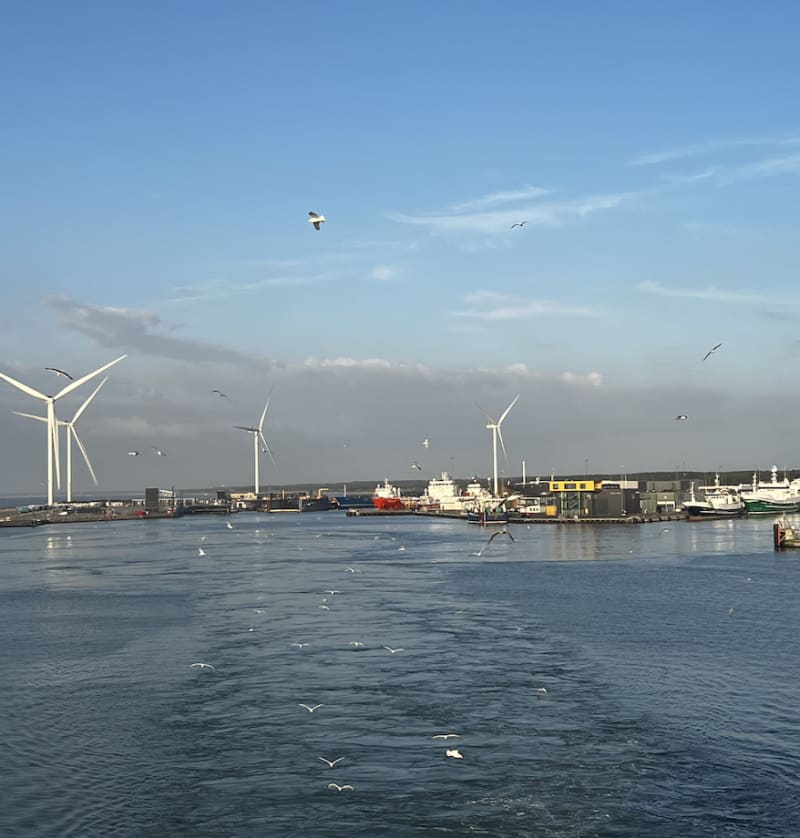
Ferries are a popular and easy way to enter Denmark. The most common routes include:
Puttgarden – Rødby (very fast, frequent departures)
Rostock – Gedser
Sylt – Rømø Ferry for a scenic approach through the Wadden Sea
Connections for Scandinavia trips, like Kiel – Oslo (DFDS)
The ferries are modern, camper-friendly and reliable — a great way to start your trip without stress.
2.1By Own Vehicle
• A7 from Hamburg to Flensburg
• From Hamburg to Copenhagen: approx. 350 km, 4-5 hours
• Via Öresund Bridge to Sweden (toll required)
• Germany - Denmark: various routes
• Puttgarden - Rødby: approx. 45 minutes
• Rostock - Gedser: approx. 2 hours
• Ferries are expensive but save many kilometers
• Denmark is an EU member – no border controls
• Carry green insurance card
• Observe speed limits
3.Entry & Formalities
3.1 Documents
EU travellers only need an ID card or passport. Pets may enter with an EU Pet Passport and a valid rabies vaccination.
3.2 Vehicle Requirements
Denmark keeps things simple:
Warning triangle required
High-visibility vest recommended
Headlights must be on at all times
Alcohol limit: 0.5‰
If you carry bikes or any load that extends beyond the rear of your vehicle, a simple red cloth or reflective marker is enough. The strict metal warning boards used in Italy or Spain are not required in Denmark.
4.Driving
Driving in Denmark is incredibly calm. The roads are smooth, wide and clearly marked, and Danish drivers tend to be polite and predictable. Navigation is easy, and signs are logical even if you don’t speak Danish.
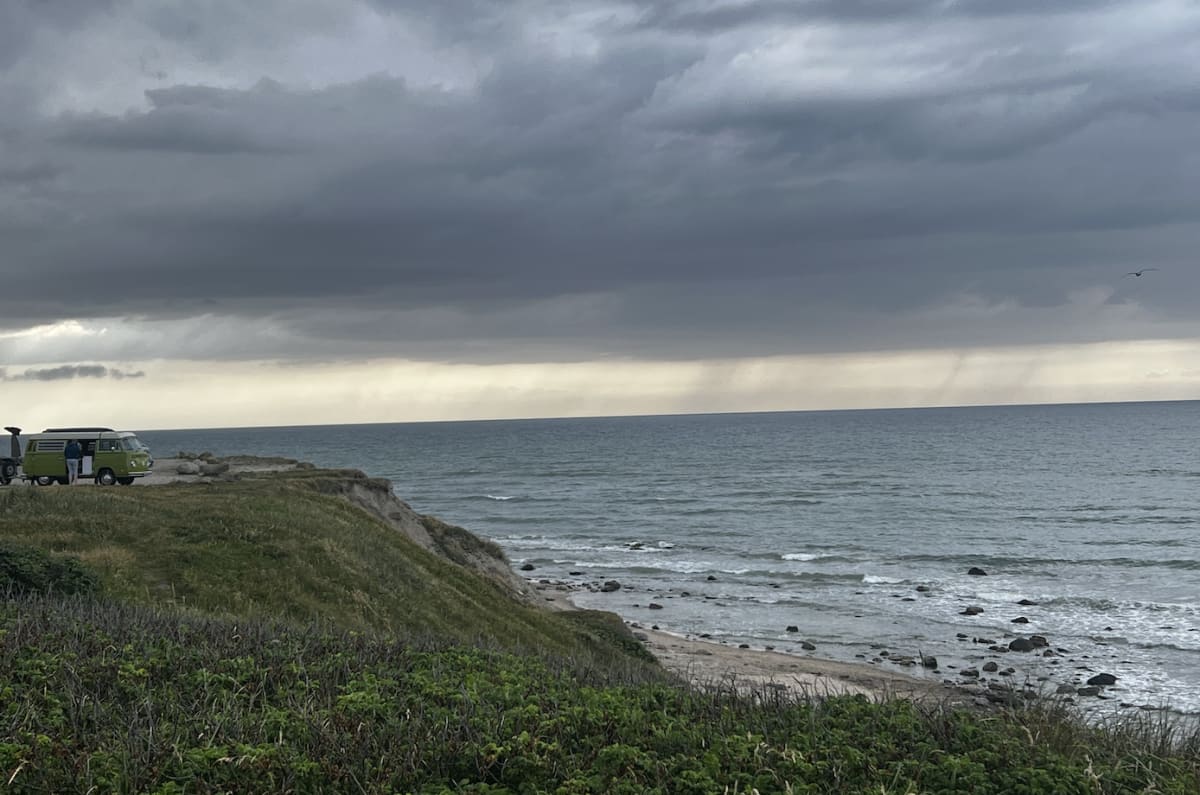
The most scenic routes follow the coastlines — especially along the North Sea in West Jutland, through the fjord areas around Aalborg, or across the idyllic islands connected by bridges and short ferry rides.
Speed limits are taken seriously:
50 km/h in towns
80 km/h on country roads
110–130 km/h on motorways
Fines are expensive, and speed cameras are common, so cruising relaxed is the best (and cheapest) option.
5.Camping
5.1 Campgrounds – clean, modern and family-friendly
Denmark’s campgrounds are some of the best maintained in Europe. Many have been renovated in recent years and feel almost like holiday parks. Expect:
spotless, modern sanitary buildings
shared kitchens and cosy indoor lounges
playgrounds and indoor play areas
swimming pools or wellness areas
strong Wi-Fi
large pitches, often sheltered from coastal wind
direct access to beaches, dunes or forests
Prices reflect the high standard:
Low season: €20–35
High season: €35–60
It’s not the cheapest country, but you really notice what you’re paying for.
Private Mini-Camps – rural charm at its finest
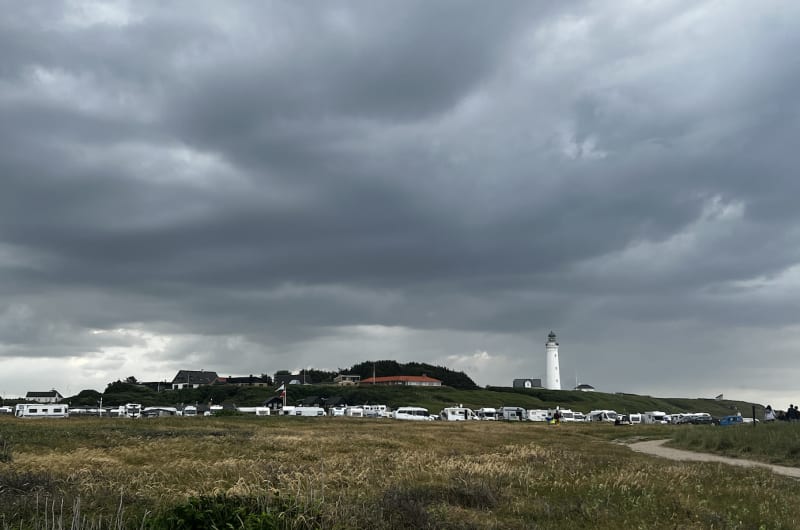
One of Denmark’s hidden gems are its small private camping spots on farms, orchards, horse stables, and rural family estates. These Agricamps offer a peaceful, homely atmosphere far away from tourist crowds.
You might stay:
under apple trees
next to a paddock
on a hill overlooking fields
beside a private swimming pond or pool
Many hosts sell local products like honey, jam, vegetables or homemade pastries.
These spots are perfect for travellers who want a slower pace, nature around them and authentic local encounters.
5.2 Wild Camping – officially forbidden, but alternatives are excellent
Wild camping in motorhomes is prohibited throughout Denmark, and fines can be issued, especially during summer and along coastlines or dunes.
However, Denmark makes up for it with:
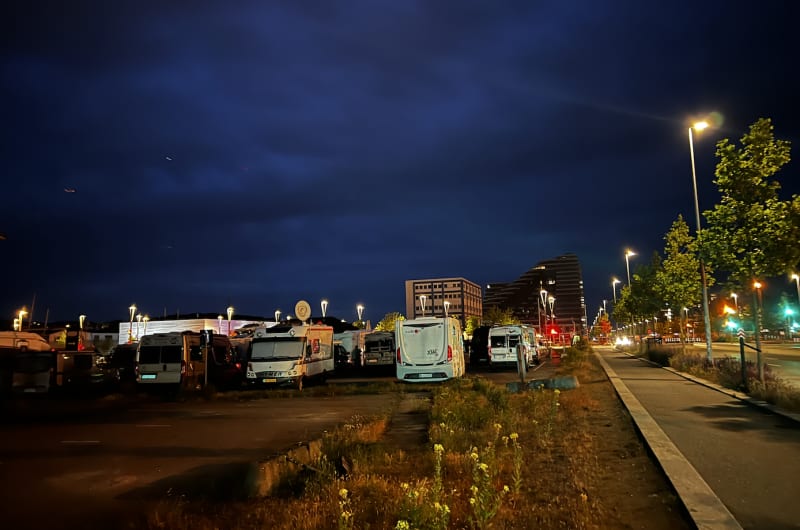
beautifully designed municipal motorhome areas
harbour and marina parking with facilities
nature camps and shelter areas
cheap “quick stops” at many campgrounds for late arrivals
In winter, free overnight stays at remote parking areas are more tolerated if you’re discreet — arriving late, leaving early, and never setting up outside furniture.
6.Services
Waste & Water
Denmark excels at infrastructure.
You’ll find fresh water, grey water disposal and chemical-toilet stations at:
all campgrounds
many marinas
municipal motorhome areas
Danish tap water is exceptionally clean and drinkable everywhere.
Gas
Gas can be a bit different here, because Denmark uses its own bottle system.
Important to know:
German bottles are not always refillable
you may need an adapter
if staying longer, it’s easiest to buy a Danish bottle
Many campgrounds and hardware stores offer gas exchange.
Waste & Environment
Denmark is a very environmentally conscious country. Recycling is the norm, and litter is rare because locals take great pride in keeping nature clean.
Be aware:
Many beaches and forests have no bins — you’re expected to take all litter with you. Doing the same is part of travelling responsibly in Denmark.
Shopping & Food
Grocery stores are everywhere — including Rema 1000, Netto, Fakta, Føtex and Kvickly. Prices are higher than in Germany but still manageable.
Denmark has delicious, simple, comforting food:
Smørrebrød (artfully prepared open sandwiches)
Danish pastries ("Wienerbrød")
Fresh seafood
Hotdogs (surprisingly excellent!)
Local berries, honey and seasonal produce
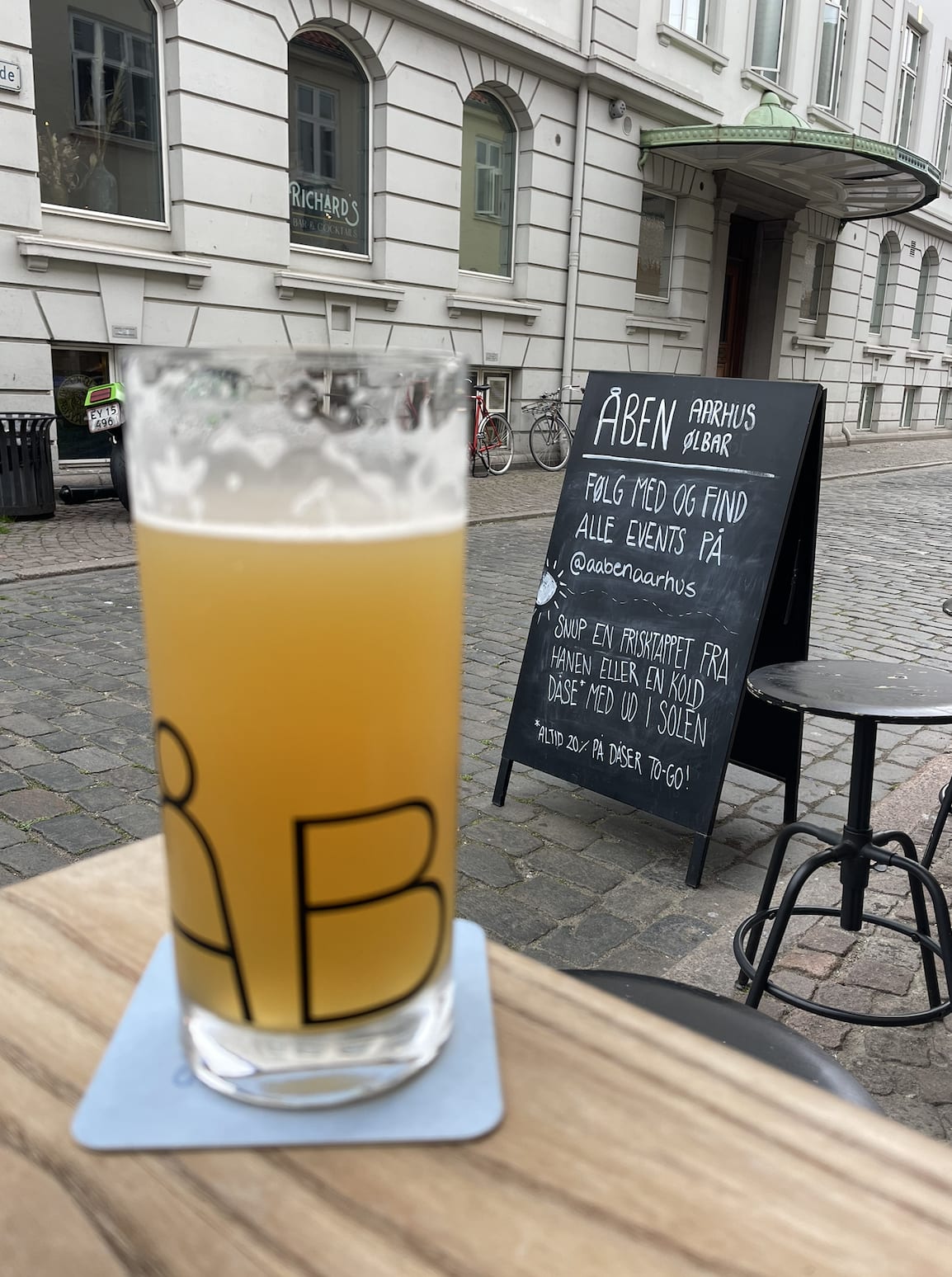
Craft beer is big here, and local breweries are excellent.
7.Routes
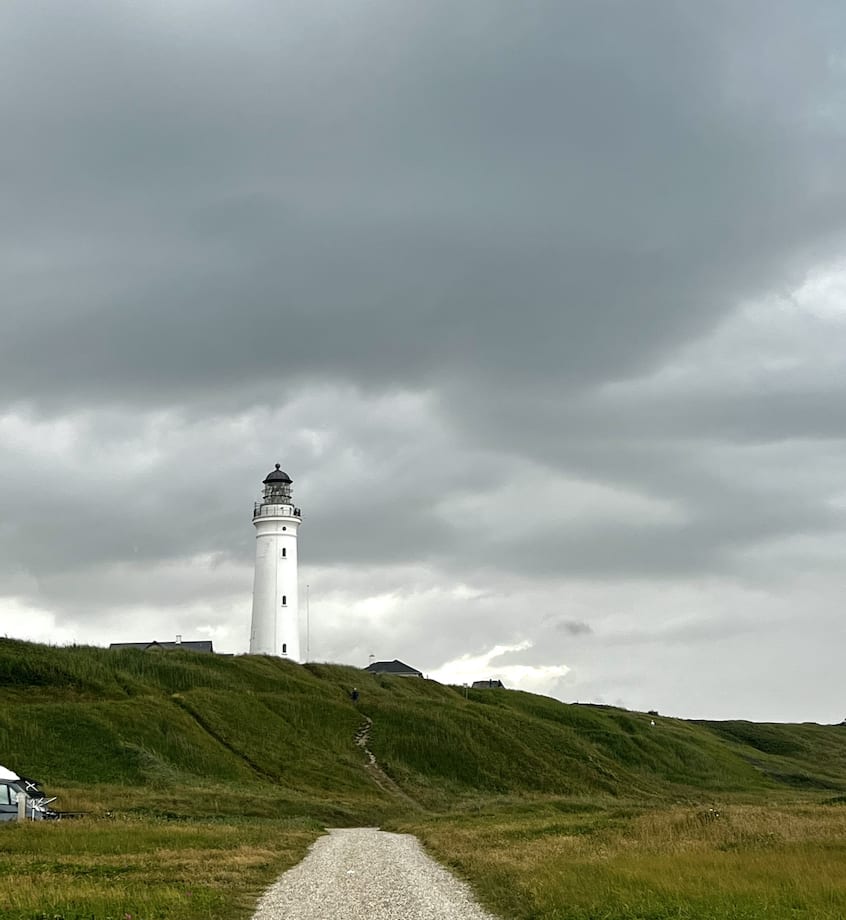
North Sea coast: From Sylt to Skagen
8.Highlights
• North Sea coast – long beaches, dunes
• Baltic Sea coast – beaches, islands
• Bornholm – island, cliffs, beaches
• Møns Klint – chalk cliffs
• Råbjerg Mile – migrating dune
• Skagen – northernmost point of Denmark
• Fjords – sea arms
• Copenhagen – capital, culture, Tivoli
• Aarhus – second-largest city, culture
• Odense – birthplace of Hans Christian Andersen
• Roskilde – Viking ships, cathedral
• Helsingør – Hamlet castle
• Ribe – oldest city in Denmark
• Legoland – theme park
• Beach holidays on the coasts
• Water sports (surfing, diving, sailing)
• Cycling along the coast
• Hiking
• Culture and city tours
• Island hopping
• Fishing
• Smørrebrød – open sandwiches
• Frikadeller – meatballs
• Rødgrød med fløde – red pudding
• Lakrids – licorice
• Beer – Danish beer
• Fresh seafood
• Hot Dogs – very popular
9.Prices
Denmark is not a budget destination, but it offers excellent value.
Campgrounds: €30–60
Supermarkets: slightly more expensive than France or Germany
Dining out: pricey, but high quality
10.Safety
Denmark is one of the safest countries in the world. Crime is low, locals are helpful, and roads are safe and well-lit.
The healthcare system is excellent, and tap water is always safe to drink.
Midge-like insects can appear around lakes in summer — bring repellent if you’re staying near water.
11.Conclusion
Denmark is a place that invites you to slow down. Travelling the country by campervan or motorhome feels peaceful and effortless — quiet roads, clean facilities, beautiful coastline and a culture that respects nature. There’s no rush, no drama, no chaos. Just fresh sea air, open landscapes and a very Scandinavian sense of calm.
Whether you prefer well-equipped holiday-style campgrounds, tiny farm stays or modern marina pitches, Denmark offers some of the most enjoyable camping experiences in Europe.
It’s not the cheapest destination, but the quality, simplicity and friendliness you encounter everywhere make it absolutely worth the trip.
For travellers who love nature, order, comfort and relaxed, meaningful journeys, Denmark isn’t just a holiday destination.
It feels like a breath of fresh air — a place where you arrive, slow down and genuinely unwind.