1.Overview
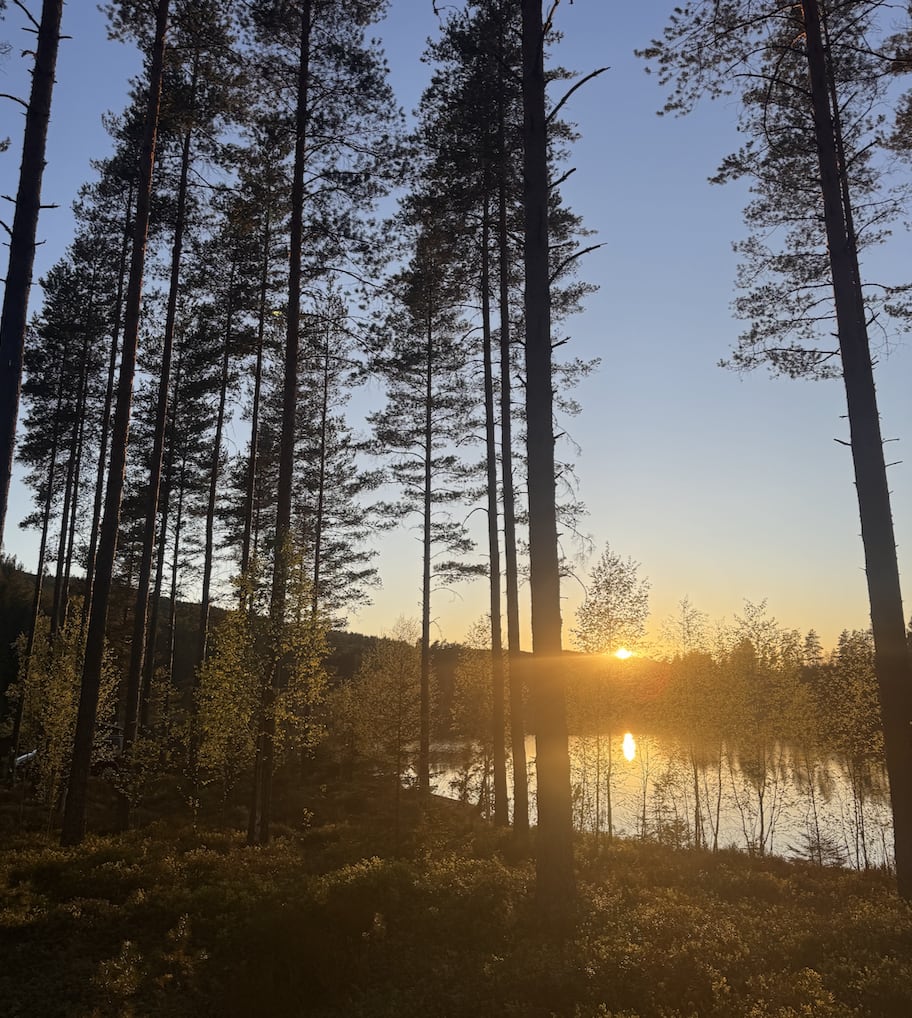
Finland is one of Europe’s most spectacular road trip destinations – vast, quiet, incredibly unspoiled, and home to an outdoor culture perfectly suited for motorhome and campervan travelers. The country is shaped by endless forests, more than 180,000 lakes, iconic red wooden cottages, the Midnight Sun in summer, and magical Northern Lights in winter.
For anyone traveling with a campervan or motorhome, Finland is a dream. Traffic is minimal, the roads are exceptionally well maintained, and the country is known for a unique tradition that excites almost all campers: Everyman’s Right. This rule allows you to enjoy nature freely, as long as you treat the environment with respect.
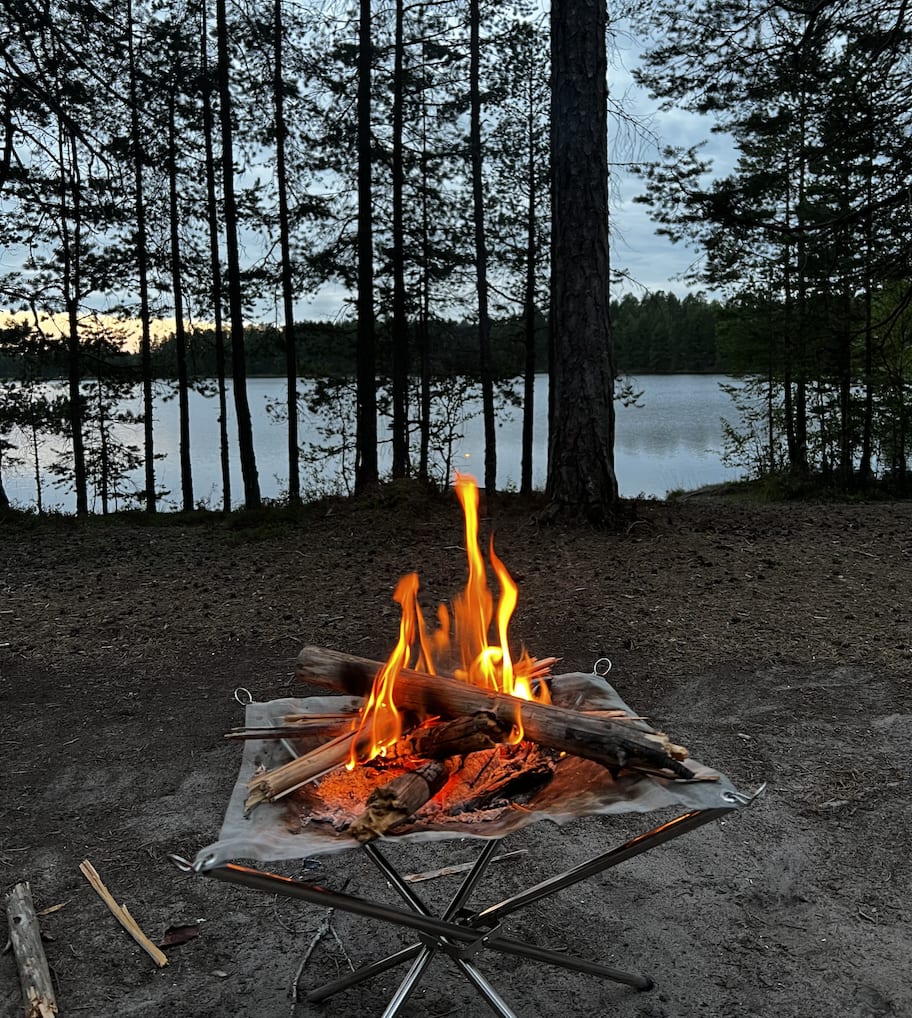
Summer is Finland at its best: crystal-clear lakes, warm evenings, campfires, and daylight that lasts almost all night. In autumn, the forests transform into glowing shades of red, orange and gold during the famous ruska season. Winter turns the country silent, snowy and almost fairy-tale-like. While winter arrives early, it offers something truly special: Northern Lights, peaceful landscapes, and nearly empty roads.
Finland is one of the most camper-friendly countries in the world.
2.Getting There
2.1 With Your Own Vehicle
Most travelers reach Finland via Sweden or the Baltic states. Many drive through Germany to Rostock, Kiel or Travemünde and take the ferry directly to Finland, or first to Sweden and then continue north via bridges or additional ferries.
Another popular route leads from Poland to Lithuania, then through Latvia to Estonia. This drive is smooth, scenic in summer, and well developed. From Tallinn, the ferry to Helsinki takes only two hours.
All routes offer toll-free roads, relaxed traffic, and clean, well-maintained rest areas.
2.2 Ferries to Finland
Finland is very well connected by ferry. The three main options are:
Germany → Finland (direct)
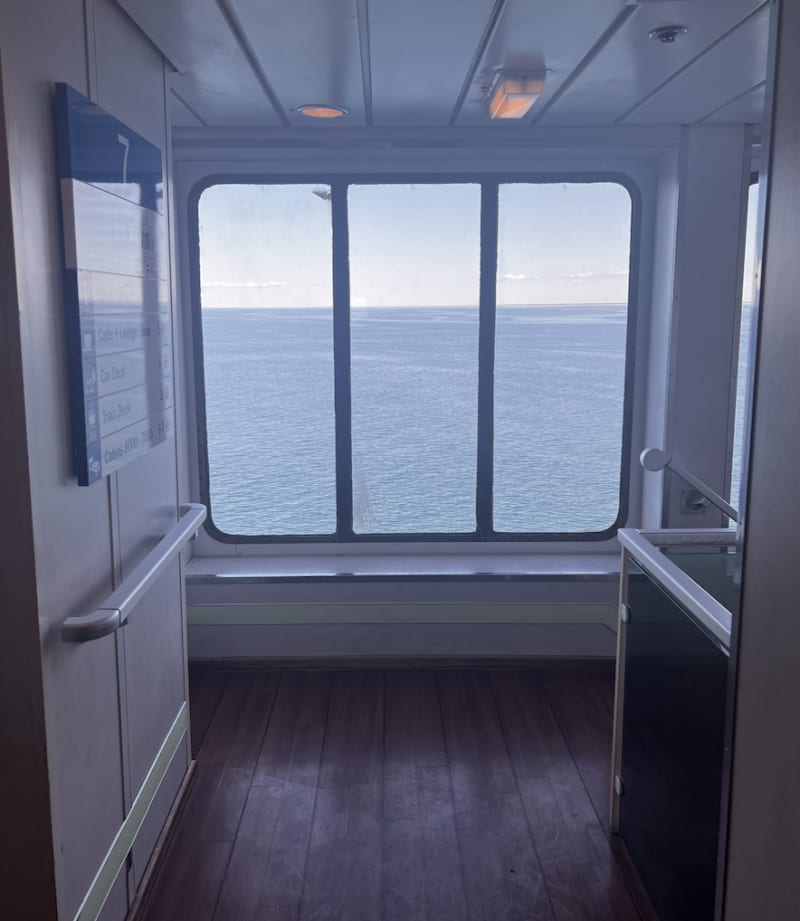
Major companies like Finnlines operate routes such as Travemünde–Helsinki. The crossing takes around 30 hours and is comfortable even with large motorhomes.Germany → Sweden → Finland
Many travelers combine a road trip through Sweden. From Stockholm, daily ferries run to Turku or Helsinki.Baltic States → Finland
Tallinn–Helsinki is one of the busiest routes in the Baltic Sea: short crossing, good prices, and many departures per day.
Prices vary, typically between €120 and €450 per trip depending on season and vehicle size.
3.Entry & Formalities
3.1 Documents
Finland is part of the EU and the Schengen Area. EU citizens only need an ID card or passport. Pets require an EU pet passport, microchip and valid rabies vaccination.
3.2 Vehicle Regulations
Finnish rules are clear and easy to follow. A safety vest and warning triangle are mandatory. From October to April, winter tires are required; studded tires are allowed and commonly used.
A notable rule is the headlight requirement: you must drive with low-beam headlights or daytime running lights all year.
There are no road tolls in Finland – all roads, including major highways around Helsinki, are free to use.
3.3 Bringing Pets into Finland
If you plan to travel to Finland with pets such as dogs or cats, EU regulations apply — with a few additional requirements. Your pet must be at least three months old. You must carry an official EU Pet Passport, and your animal needs a proper identification method: either a clearly readable tattoo applied before 3 July 2011 or, more commonly, a microchip. A valid rabies vaccination is mandatory, and the shot must have been administered at least 21 days before entry.
You may bring up to five pets into Finland without any special procedures. If you are traveling with more than five animals, the rules for commercial import will apply.
Tapeworm Treatment Requirements
Finland is one of the few European countries that is still free from certain tapeworm species, so the rules for dogs are stricter than elsewhere. Dogs must receive a tapeworm treatment (Echinococcus) between 120 and 24 hours before entering Finland. This treatment must be recorded in the pet passport by a veterinarian — ideally including the exact time of administration.
Alternatively, if you are entering Finland from another EU country, you can follow the 28-day rule. Under this rule, the dog must have been treated for tapeworm twice within a 28-day period, and then regularly every maximum 28 days thereafter. Proof of this must also be documented in the pet passport.
4.Driving in Finland
Driving in Finland is incredibly relaxing. Roads are wide, smooth and often nearly empty, even in remote areas. The landscape is flat or gently rolling, and long distances through forest-and-lake scenery feel peaceful rather than tiring.
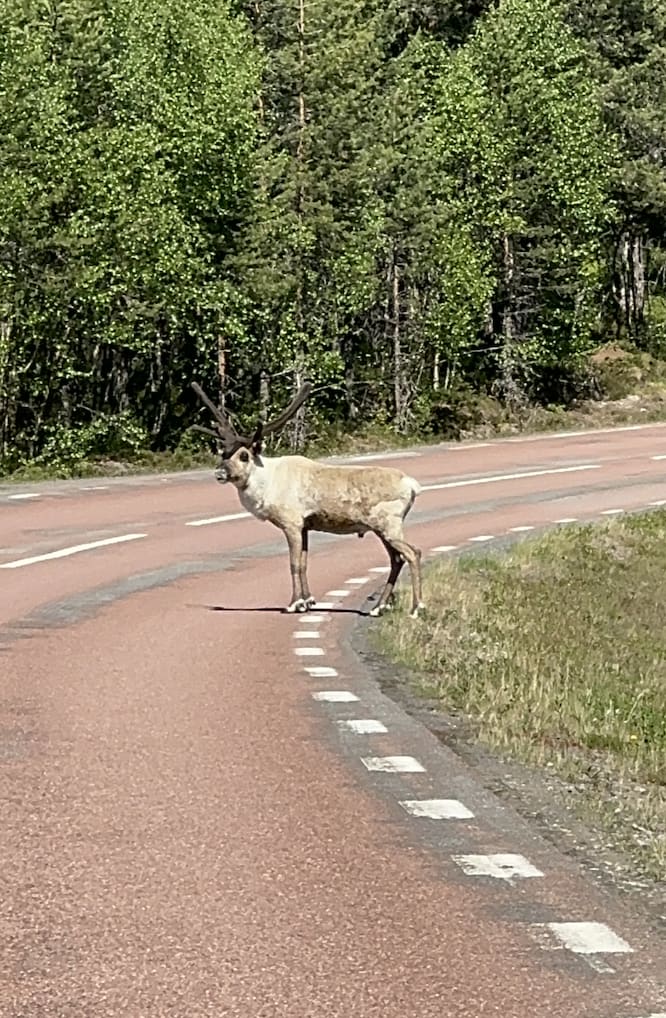
In summer, watch out for wildlife – especially elk and reindeer, which frequently cross the road. In Lapland, entire herds of reindeer wander freely.
Winter driving can be challenging due to snow and ice, but Finland’s road maintenance is excellent. With studded tires, even northern routes remain manageable.
Headlight Requirement
In Finland, you must drive with your lights on at all times — no matter the season or time of day. Depending on visibility and weather conditions, you may use either daytime running lights or low-beam headlights, but some form of lighting is always legally required.
Winter Tire Regulations
From 1 November until the end of March, Finland enforces a seasonal winter tire requirement. This means winter tires are mandatory whenever road and weather conditions call for them. Depending on the situation, this can include icy, snowy, or generally slippery roads. Studded tires are allowed and widely used throughout the country.
5.Camping
5.1 Campgrounds
Finland offers a large number of well-maintained campgrounds, many located directly beside lakes, rivers or the sea. Many are family-run and feature clean sanitary facilities, traditional Finnish saunas, fire pits, small cafés or kiosks, and boat rentals.
The best season for campgrounds is summer. Most are open from June to August, when nature is at its most beautiful. Prices for two people with a motorhome typically range from €20 to €40 per night depending on location, facilities and season.
In the northern regions – below and above the Arctic Circle – campgrounds tend to be simpler but often spectacularly located. In Lapland, some stay open in winter mainly for Northern Lights hunters and winter sports travelers.
5.2 Wild Camping
Many assume that Finland’s famous Everyman’s Right allows wild camping anywhere – but this is a misunderstanding. Everyman’s Right applies only to non-motorized activities, such as hiking, cycling, or pitching a tent. It does not apply to motorhomes or campervans.
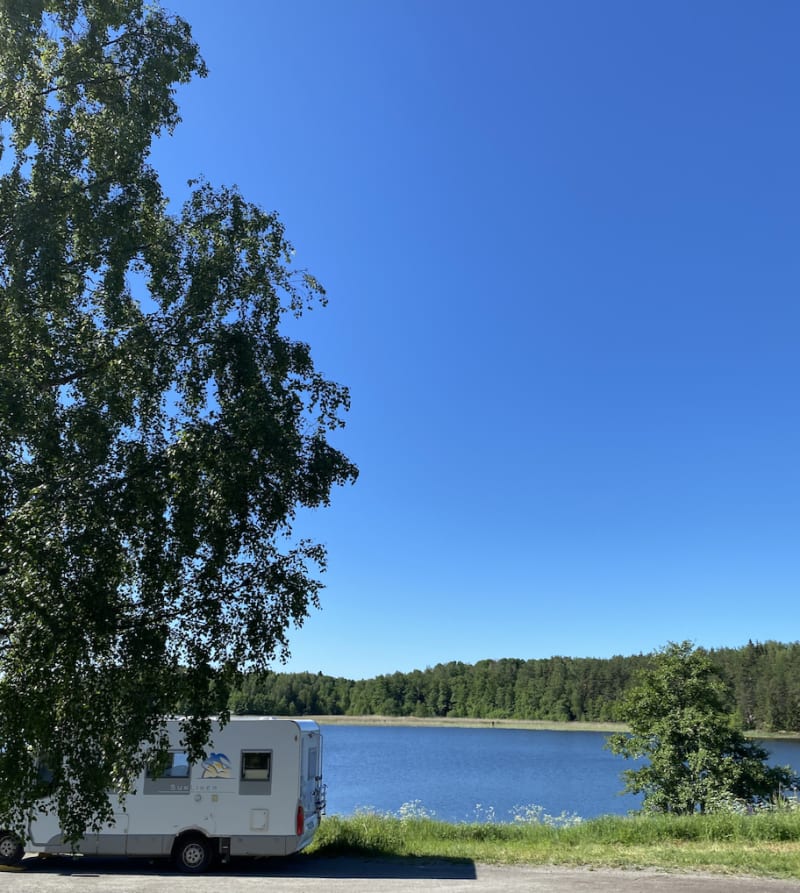
Still, Finland is one of Europe’s most relaxed countries for vanlife. The reason isn’t legal permission but the abundance of natural public parking areas, often by lakes, rivers or forests, designed specifically for traveler use. These spots usually allow one quiet overnight stay without causing disturbance.
As long as you avoid residential areas, national parks, restricted zones and private land, sleeping inside your vehicle on designated public parking spaces is generally allowed. Authorities view overnight parking as an acceptable part of travel – as long as you don’t “camp” (no awnings, chairs, loud activities or extended setups).
Best Season for Wild Camping
Summer and early autumn (June–September) are ideal: long days, accessible roads, and comfortable temperatures. Many lake and forest parking spots are unmaintained in winter and may be inaccessible.
Winter Camping
Temperatures can drop to –30°C, parking areas may be icy or snowed over, and many small roads are not cleared regularly. Winter wild camping requires:
excellent insulation
a reliable heater
proper winter tires (studs recommended)
good power supply
Winter wild camping is only for experienced travelers with well-equipped vehicles – but the reward is complete silence, snow-covered wilderness, and incredible chances to see the Northern Lights.
6.Services
Finland is extremely well equipped for motorhome travelers. Fresh water is available at fuel stations, marinas, campgrounds, and many public facilities. Waste disposal stations can be found at campgrounds and at numerous rest areas across the country.
Supermarkets such as K-Market, S-Market, Lidl, and Prisma are widespread – even in smaller towns. Local food quality is excellent, especially fresh fish, berries, mushrooms, game, rye bread, and dairy products.
Saunas are also everywhere. Even small campgrounds often have their own traditional wood-heated sauna that you can use for a small fee.
Gas bottles
One important thing to know: you cannot exchange or refill foreign gas bottles in Finland. The Finnish system uses different connectors and standards, so travelers with German, French, Spanish, or other EU bottles will not be able to swap or refill them. Make sure your gas supply is full before arriving in Finland, or bring alternative solutions such as refill adapters, additional bottles, or electric cooking/heating options.
Food You Should Try
Finnish cuisine is rustic, fresh, and deeply connected to nature. Typical dishes include:
salmon in all forms (smoked, fried, soup)
Karelian pasties
reindeer stew with lingonberries
fish grilled over an open fire
wild blueberries and lingonberries
cinnamon buns (korvapuusti)
rye bread (ruisleipä)
lihapiirakka (a savory meat pastry)
plenty of coffee – Finns are world champions when it comes to coffee consumption

7.Routes
Northern Lights Safari: Lapland's Seven Wonders
8.Highlights
• Lapland – forests, mountains, Northern Lights
• Lake District – thousands of lakes
• Lake Saimaa – largest lake in Finland
• Pallas-Yllästunturi National Park – mountains, nature
• Nuuksio National Park – forests, lakes
• Archipelago – thousands of islands
• Northern Lights – Aurora Borealis (in winter)
• Helsinki – capital, culture, architecture
• Turku – historic city, castle
• Tampere – lakes, culture
• Rovaniemi – Santa Claus Village
• Oulu – university city
• Porvoo – historic city
• Hiking in the forests
• Canoeing on the lakes
• Fishing
• Cycling
• Sauna (typically Finnish)
• Northern Lights watching (in winter)
• Culture and city tours
• Karjalanpiirakka – Karelian pasties
• Lihapullat – meatballs
• Graavilohi – cured salmon
• Leipäjuusto – cheese
• Beer – Finnish beer
• Lakka – cloudberry
• Reindeer meat
9.Costs
Finland is not the cheapest destination in Europe, but with some planning it’s easy to manage your budget. Camping prices vary depending on the region and season: a typical campground costs €20–40 per night for two people with a motorhome, while premium lakefront or coastal sites can be slightly higher in peak summer. Public parking areas used for overnight stays are often free.
Food prices in supermarkets are fair, especially if you buy local products. A standard restaurant meal generally costs €12–20, while cafés and bakeries offer pastries or snacks for €3–6. Dining out frequently, however, can become expensive, as alcohol and imported goods are heavily taxed.
Tourist attractions depend on the activity: many natural sights, hiking trails, and national parks are completely free, while museums typically charge €10–18 per ticket. Popular attractions such as reindeer farms, boat tours, or husky visits range between €20–60 depending on the season.
Despite higher prices compared to southern Europe, Finland offers excellent value for travelers who enjoy nature, cook their own meals, and use the country’s many free outdoor activities and scenic spots.
10.Safety
Finland is one of the safest countries in the world. Crime rates are extremely low. Pickpocketing occurs almost only in Helsinki, and even there it’s rare. Healthcare is excellent, pharmacies are well stocked, and tap water is drinkable everywhere.
Important for Motorhome Travelers
In the north, wildlife can be unpredictable – elk may suddenly cross the road, particularly at dusk.
In winter, motorhomes need good insulation and strong heating.
In northern regions, many parking bays have power outlets because locals use them to pre-heat engines in extreme cold.