1.Overview
France is one of the most beloved camping destinations in the world — and for good reason. No other country combines such diverse landscapes with such a dense, well-organized network of motorhome facilities. From the rugged coastlines of Brittany to the lavender fields of Provence, from snow-capped Alpine passes to Atlantic surf towns and medieval villages, France is a paradise for road trippers.
With more than 8,000 official campsites, France hosts Europe’s largest camping culture. Add to that over 4,000 Aires de Camping-Car (designated motorhome parking areas), and you get one of the best and easiest countries on earth to explore in a campervan or motorhome.
Whether you love wild coastlines, vineyards, mountains, historic châteaux or gourmet food — France offers endless routes, excellent infrastructure, and a travel rhythm that feels slow, scenic and deeply enjoyable.
2.Getting There
2.1 With Your Own Motorhome
Most travelers arrive via:
Belgium or Germany → Northern France (Lille, Metz, Strasbourg)
Spain → Occitanie or French Basque Country
Italy → Alps or Provence
Ferries from the UK or Ireland
Roads are modern and well-signposted. French highways (“Autoroutes”) are excellent — but many sections are toll roads.
2.2 Ferries to France (from the UK & Ireland)
All ferries accept motorhomes.
3.Entry & Formalities
3.1 Documents
EU/EEA citizens:
ID card or passport
UK travelers:
Passport valid 6 months (post-Brexit)
Max 90 days in 180 days
Pets:
EU Pet Passport or Animal Health Certificate
Rabies vaccination
Microchip
3.2 Blind Spot Warning Stickers for Motorhomes Over 3.5 t
Motorhomes weighing more than 3.5 tons must display “angle morte” (blind spot) warning stickers on both sides and the rear of the vehicle. These are mandatory when driving in urban areas.
You can buy these stickers:
online
at French petrol stations near the border
at major automotive stores (Feu Vert, Norauto)
Campers under 3.5 t (including all standard campervans) do not require these blind-spot stickers.
4.Driving
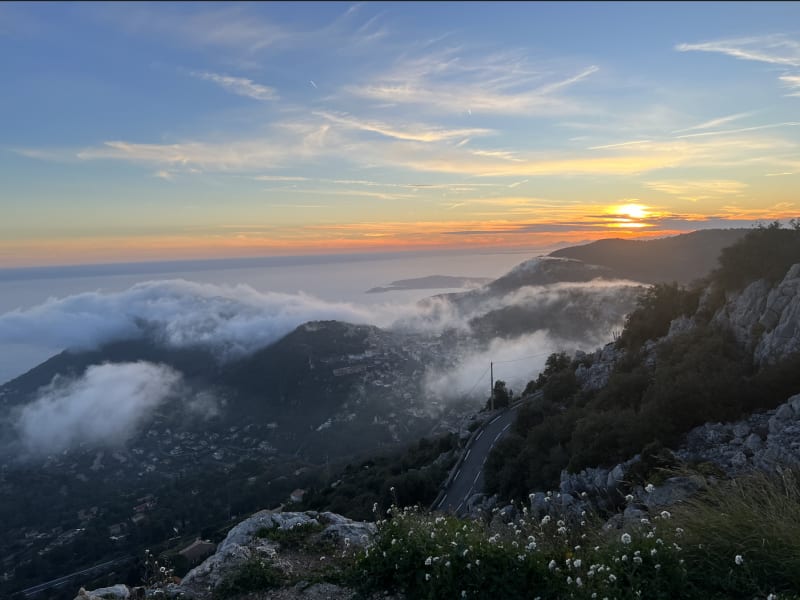
Driving in France is relaxed outside cities. Rural regions offer scenic roads through vineyards, mountains, coasts and forests.
Road Types
Autoroutes (A-roads): Perfect condition, mostly tolled
National roads (N-roads): Fast, wide, toll-free
Departemental roads (D-roads): Scenic, narrower, perfect for slow travel
Toll Roads
Motorhomes pay a higher class (Category 2).
Payment: credit card, cash, or telepeage tag (electronic toll device).
5.Camping
5. Camping in France
France is one of the easiest, most welcoming countries in Europe for motorhome travel. No other nation combines such a dense camping network, a unique system of official motorhome stopovers, and a culture that genuinely embraces camping. Whether you prefer full-service seaside resorts or quiet rural places surrounded by vineyards, France makes road-travel wonderfully simple.
5.1 Campsites — Over 8,000 Across the Country
France has the largest and most diverse camping network in Europe, with more than 8,000 campsites to choose from. The variety is enormous:
• large coastal resorts with pool complexes, kids’ clubs and restaurants
• charming camping municipals run by local towns — inexpensive, clean, authentic
• family-run farm and vineyard campsites
• glamping resorts with wellness areas and luxury cabins
• remote mountain campsites with panoramic views of the Alps or Pyrenees
Most campsites come with spotless sanitary buildings, electricity, fresh water, laundry rooms, bakeries or small shops, and often a pool. On the Atlantic coast and in the south, many sites feel almost like holiday villages with cafés, beach access, entertainment and rental services.
Typical Prices
• Low season: 15–30 €
• High season: 30–60 €
• Premium seaside resorts: 60–90 €+
During July and August, booking ahead is essential — these months are extremely popular with French families.
5.2 Aires de Camping-Car (Aires)
👉 This is what makes France truly special for motorhome travelers.
An Aire de Camping-Car is an official, often municipal motorhome stopover designed specifically for short stays. They exist everywhere — in tiny villages, at marinas, next to beaches, beside rivers and castles, and even in mountain regions.
Aires typically offer:
• dedicated motorhome parking
• wastewater & toilet cassette disposal
• fresh water
• electricity (often)
• toilets (sometimes)
• low-cost or free overnight stays
Prices
• Many Aires are completely free
• Standard Aires cost 3–12 €
• Premium Aires with electricity cost around 10–18 €
Aires feel a bit like wild camping — quiet, scenic, often close to nature — but they are fully legal, designated places, created specifically for motorhomes.
They allow total flexibility: you can travel without reservations, stop spontaneously wherever the day takes you, and stay close to villages and nature without entering a campsite.
This system is one of the main reasons France is considered a motorhome paradise.
5.3 Private Micro-Campsites (Farms, Vineyards, Country Homes)
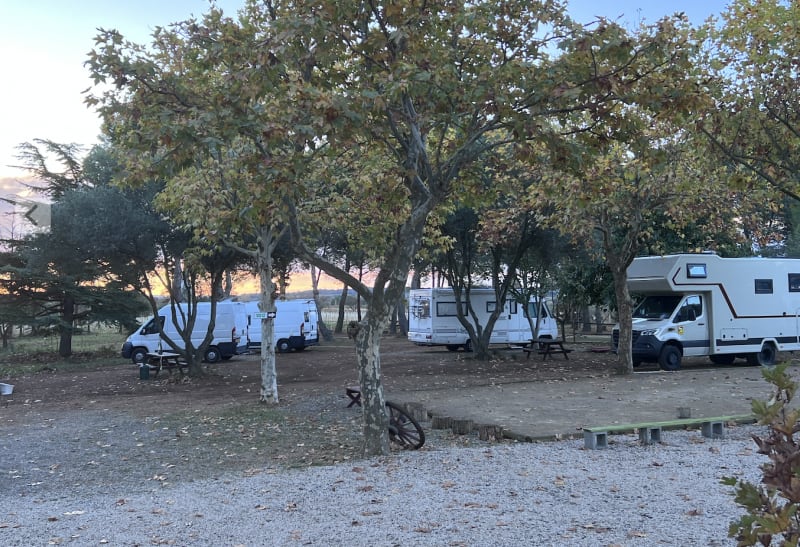
In addition to official campsites and Aires, France has thousands of small private micro-campsites. These include:
• vineyards offering overnight stays among the vines
• farm camps with fresh produce and animals
• country estates with a handful of shaded spots
• rural gardens or orchards opened by local families
Many works as follows: they allow campers free overnight stays on farms and vineyards in exchange for respectful behavior (and often the chance to sample or buy local wine, cheese, honey or olive oil).
These micro-campings are peaceful, welcoming and deeply authentic — perfect if you prefer quiet, natural places rather than large commercial campgrounds. They are especially popular among long-term travelers and anyone wanting a deeper connection with rural France.
Best time to travel
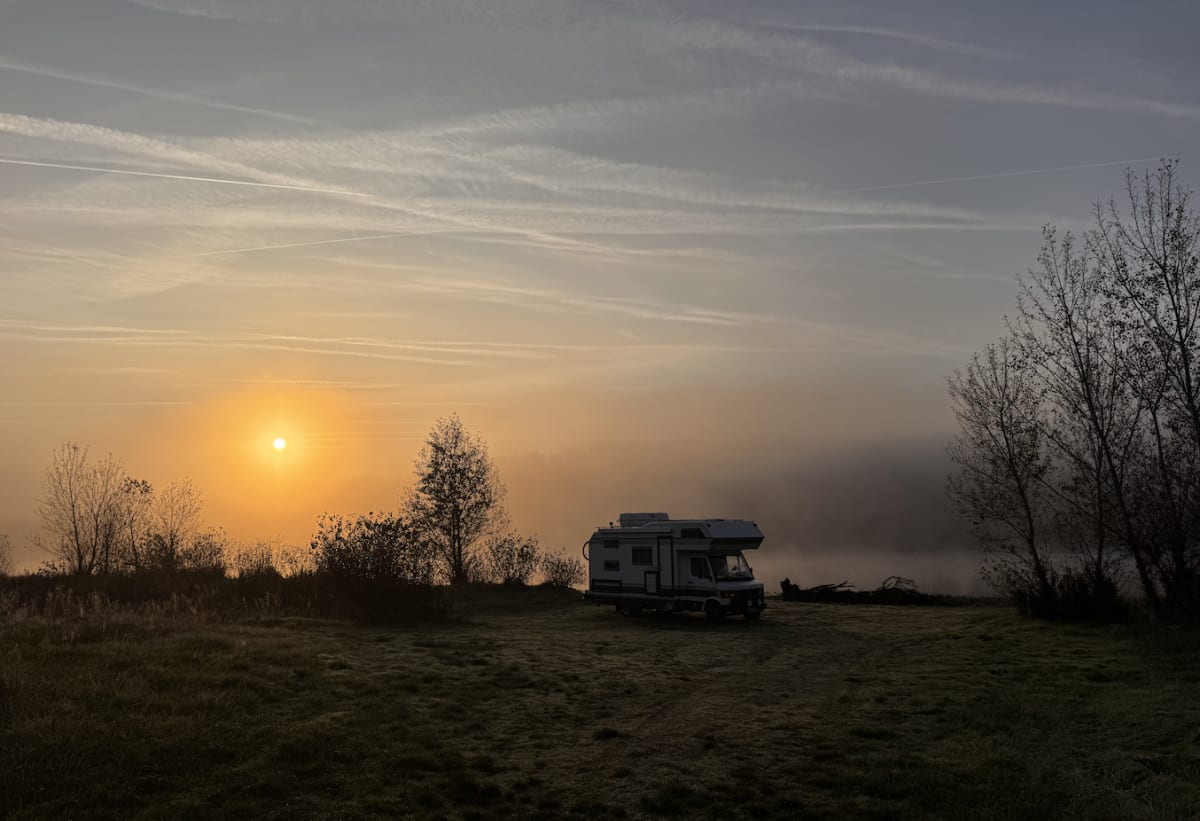
April–June: perfect temperatures, blooming countryside and September–November: warm sea, fewer tourists
6.Services & Food
France has Europe’s best campervan infrastructure
Water & Waste
Every Aire: V+E (dump station)
Also available at:
marinas
fuel stations
many supermarkets (e.g., Intermarché)
campsite
Gas
France uses its own gas bottle system.
You cannot exchange German/UK bottles — but you can refill LPG tanks at many stations.
Groceries
France has excellent supermarket chains:
Carrefour
Intermarché
Super U
Leclerc
Lidl
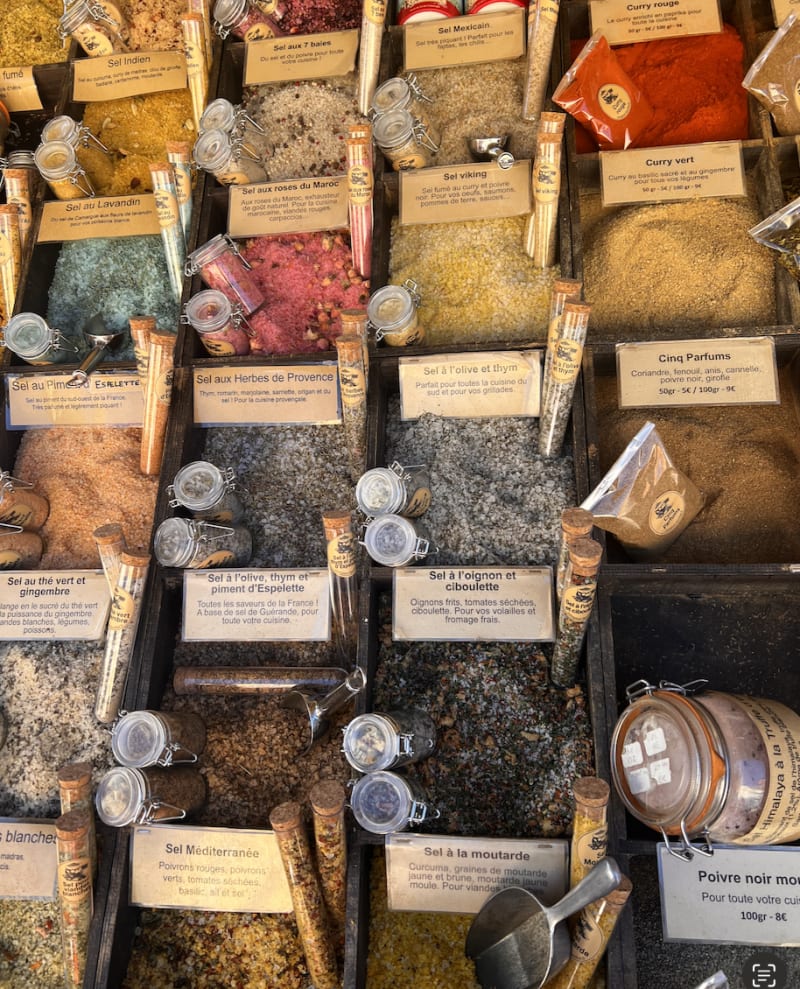
Fresh produce at local markets is exceptional.
Food to try
Crêpes & Galettes
Cheese (local varieties everywhere)
Fresh seafood
Baguette & pastries
Wine — superb value

7.Routes
Provence by van
Through Bretagne
8.Highlights
• Mont Blanc – highest mountain in the Alps (4,809m)
• Gorges du Verdon – spectacular gorge
• Camargue – wetlands, flamingos, wild horses
• Calanques near Marseille – steep rocky coast
• Vanoise National Park – alpine landscapes
• Cévennes – mountain landscape
• Dune du Pilat – highest sand dune in Europe
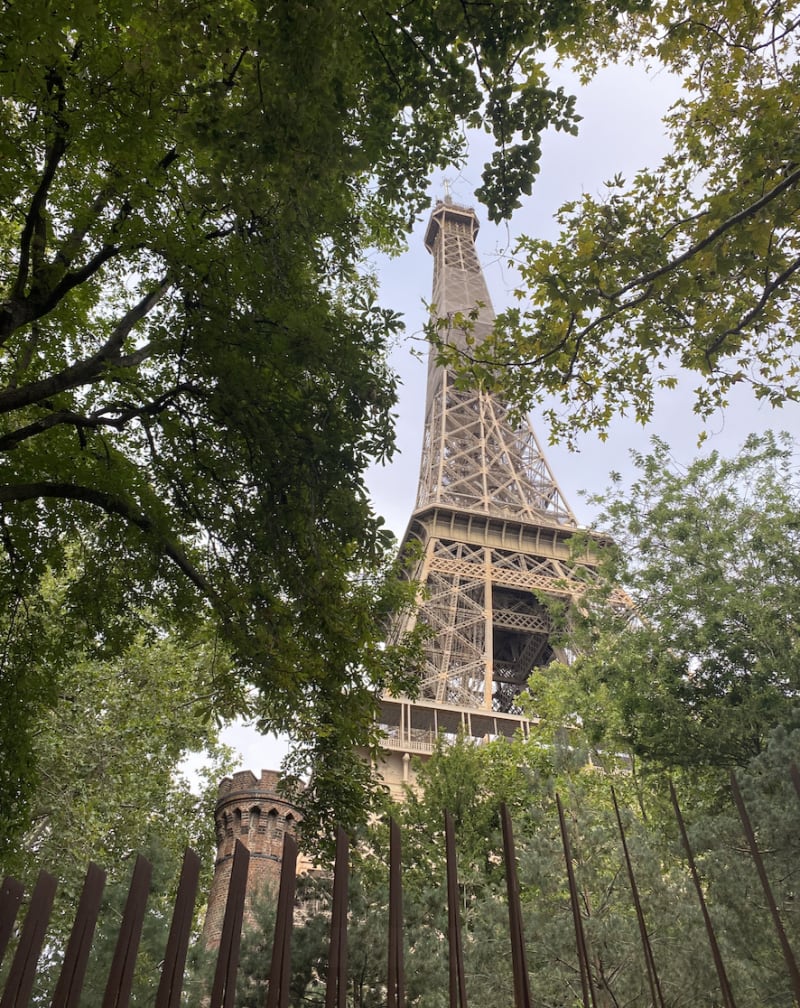
• Paris – capital, Eiffel Tower, museums
• Lyon – culinary capital
• Marseille – port city, culture
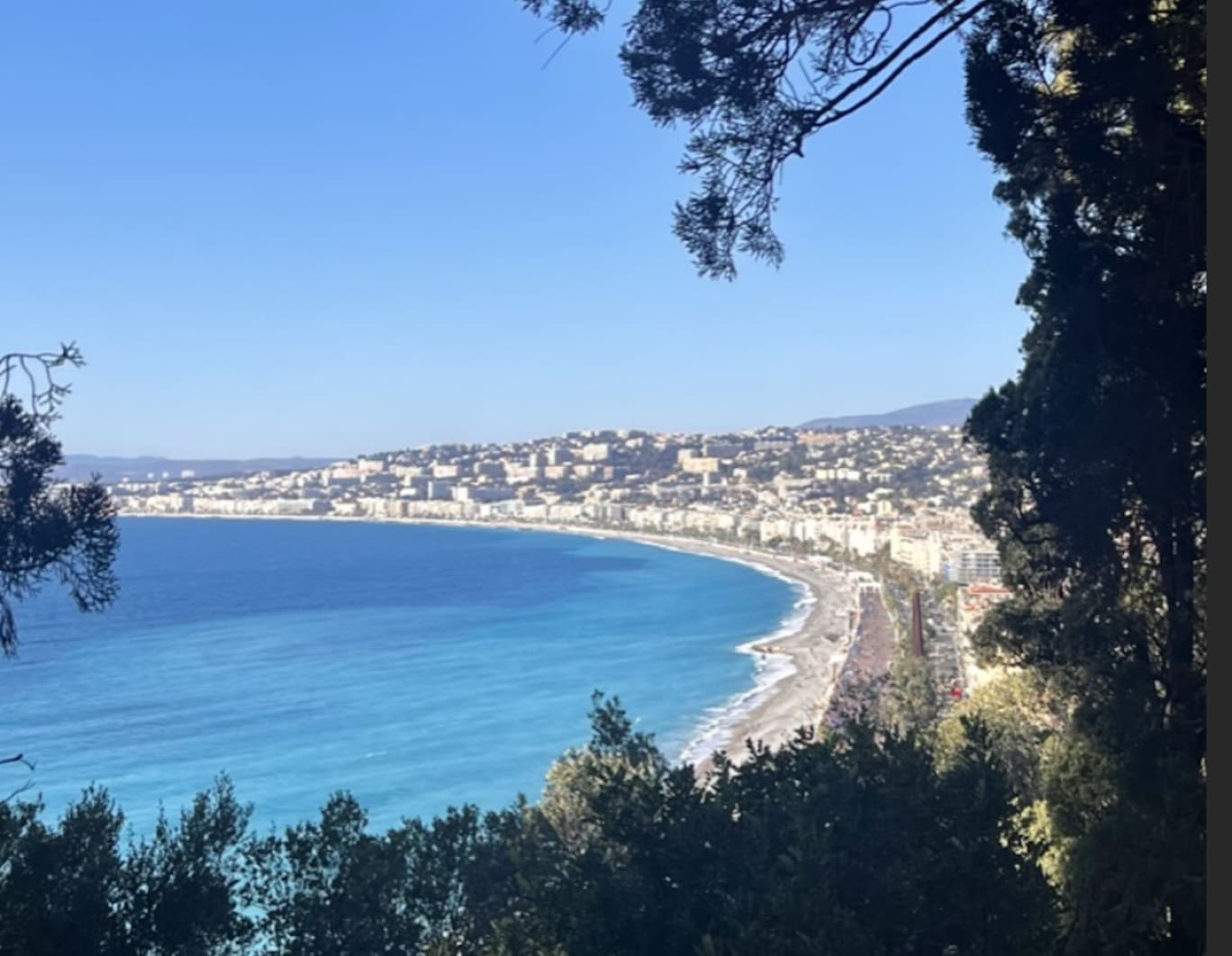
• Nice – Côte d'Azur, promenade
• Bordeaux – wine, architecture
• Strasbourg – Alsace, cathedral
• Mont-Saint-Michel – famous abbey
• Loire Castles – Chambord, Chenonceau
• Beach holidays on the coasts
• Hiking in the Alps and other mountains
• Water sports (surfing, diving, sailing)
• Skiing in the Alps
• Cycling (Tour de France routes)
• Climbing
• Culture and city tours
• Wine tasting in Bordeaux, Burgundy, Champagne
• Croissants and baguette – French breakfast
• Cheese – over 1,000 varieties
• Wine – Bordeaux, Burgundy, Champagne
• Crêpes – sweet and savory pancakes
• Coq au Vin – traditional dish
• Ratatouille – vegetable dish
• Macarons – sweet delicacies
9.Costs
France is a mid-priced travel destination compared to other Western European countries.
Campsites: 15€ - 90 €
Aires: 0€ - 18 €
Diesel / Gasoline: mid-to-high EU range
Tolls: expensive on long autoroute journeys
Restaurants: moderate to pricey
Groceries are excellent quality and fairly priced.
10.Safety
France is a wonderful motorhome destination, but you must remain alert, especially when choosing overnight spots. Most rural areas are peaceful, yet certain regions — particularly large cities and motorway corridors — have seen cases of break-ins targeting motorhomes.
A few important things to keep in mind:
Staying on motorway rest areas overnight is not recommended.
There are repeated reports from travelers about thefts on service areas along busy autoroutes, especially near big cities and holiday routes. Some people even report incidents involving so-called “sleeping gas”, claiming that thieves use it to incapacitate travelers at night. Although authorities have never officially confirmed widespread use of such gas, these stories circulate often enough that it’s wise to take them seriously and avoid sleeping on motorway rest stops altogether.
If you need to stop, it is always safer to:
▶ drive a few kilometers into a village and park there
▶ choose an Aire de camping-car, a campsite, or a marina parking
▶ avoid isolated rest areas or dark industrial zones
To protect your motorhome, many travelers use visible deterrents, such as:
– a sticker indicating the presence of a camera or alarm
– actually installing an alarm system
– keeping valuables out of sight
– locking all doors from the inside at night
These small measures significantly reduce the likelihood of any unwanted attention.
With sensible precautions, good planning and the right overnight choices, France remains one of the most enjoyable and comfortable motorhome destinations in Europe.