1.Overview
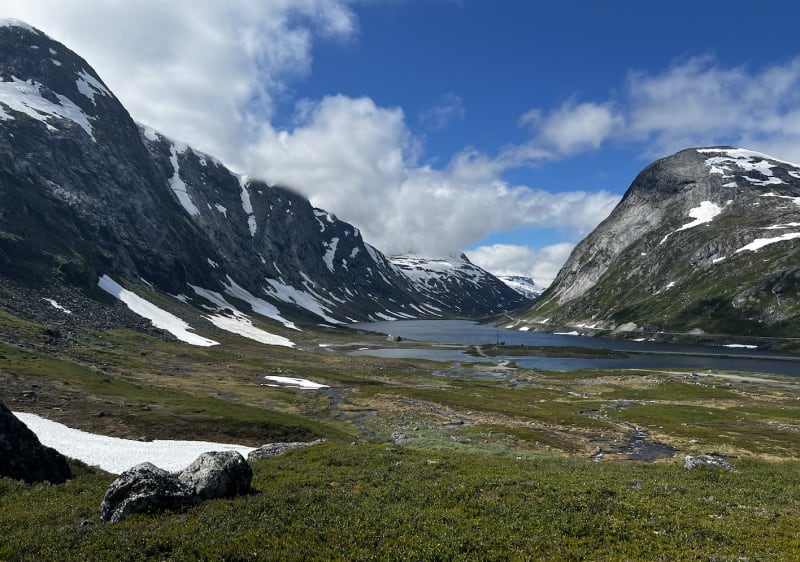
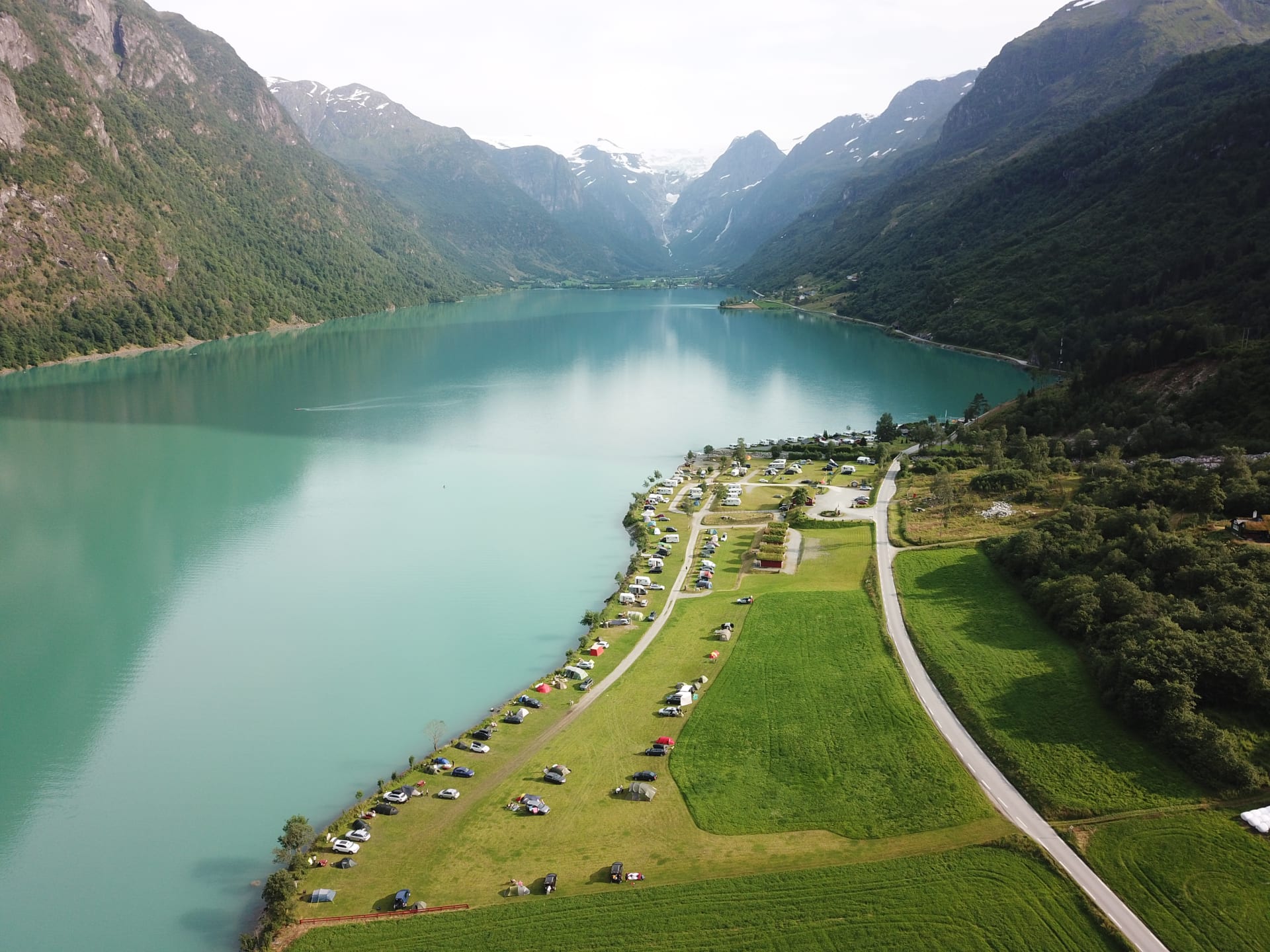
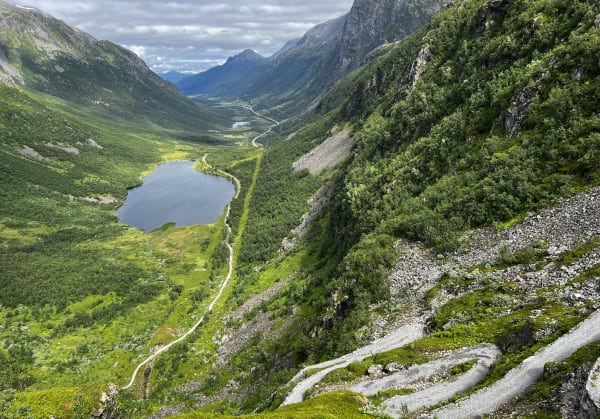
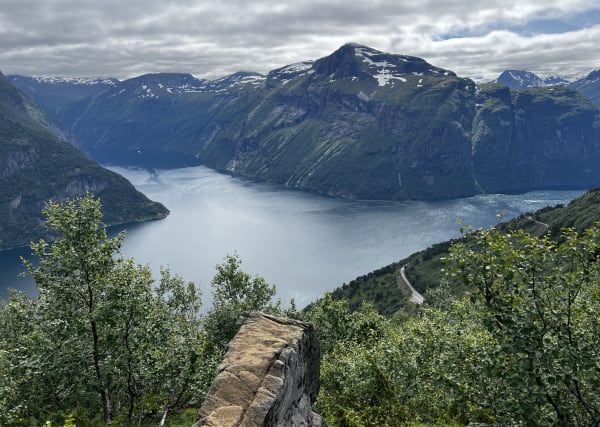
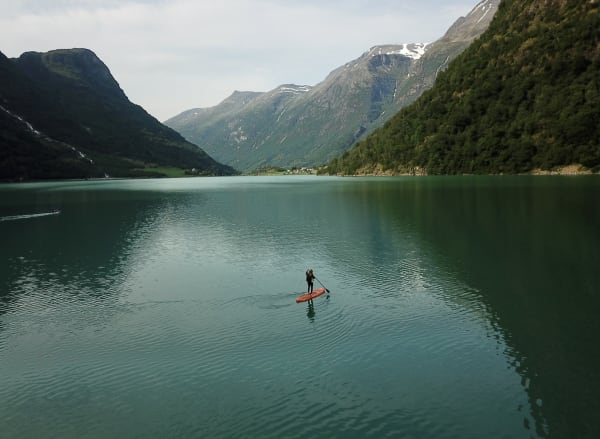
Norway is one of the world’s most breathtaking roadtrip destinations. Towering fjords, thunderous waterfalls, jagged mountain peaks, wild reindeer plains, glaciers, deep forests, the midnight sun, and the northern lights — few places on earth offer this kind of raw, untouched nature.
For campervan travelers, Norway is a dream: safe roads, good infrastructure, endless space, and a culture deeply rooted in outdoor life. At the same time, it’s not the cheapest country — fuel, groceries, and alcohol are expensive — but the true beauty of Norway is free. You spend your money on fuel and food, while the landscapes, hikes, viewpoints, and fjords are endlessly accessible at no extra cost.
Whether you explore the fjords of the south, the Arctic wilderness in the north, the iconic Lofoten islands, or tiny fishing villages at the edge of the world — Norway rewards slow travel like no other place in Europe.
2.Getting There
2.1 Arriving with Your Own Camper or Motorhome
Most travelers reach Norway via Denmark, Sweden, or by ferry.
The smoothest and most affordable route is usually through Sweden — the highways are excellent, and there are no tolls.
Popular approaches:
Germany → Denmark → Sweden → Oslo (fast, toll-free in Sweden)
Germany → Hirtshals (Denmark) → Ferry to Norway
Kiel → Oslo night ferry
2.2 Ferries to Norway
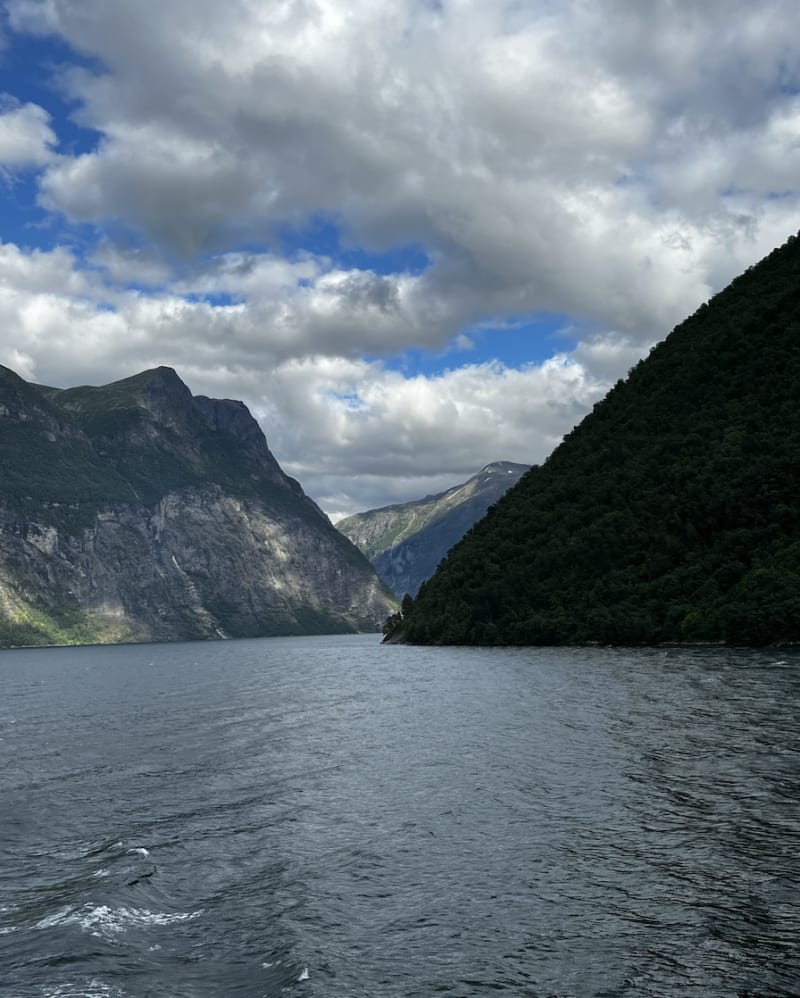
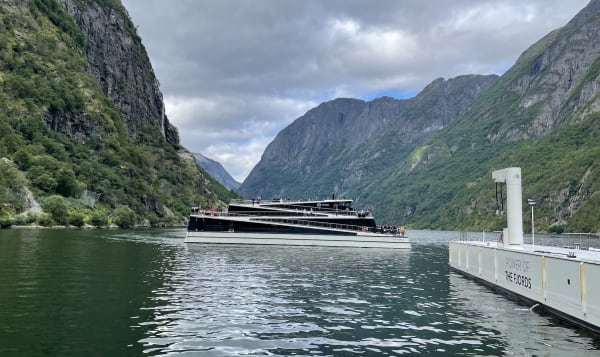
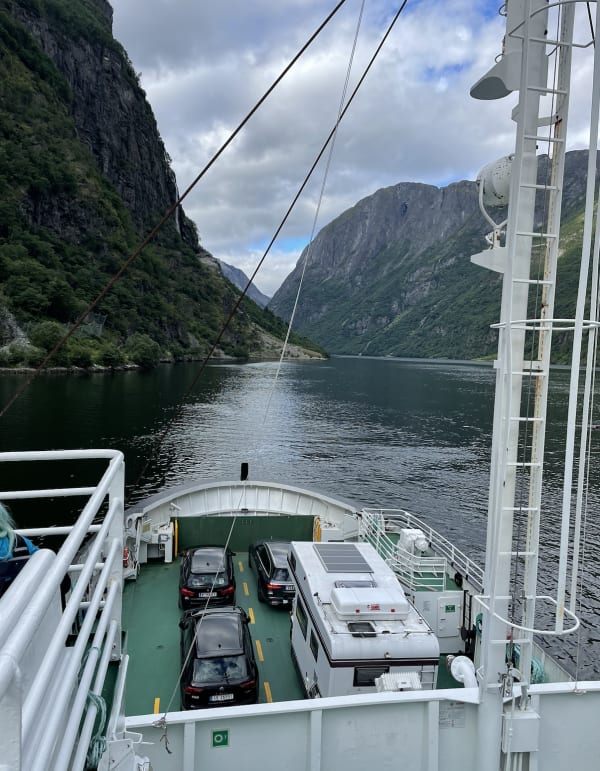
Norway is exceptionally well connected by sea. All ferries accommodate campervans and motorhomes, and most offer cabins, restaurants, and lounges.
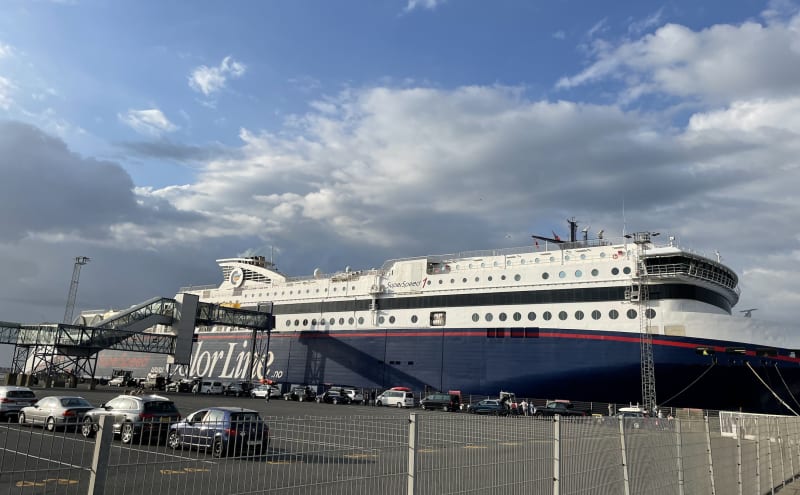
Kiel → Oslo (Color Line)
Duration: ~20 hours (overnight)
A floating mini-cruise with shows, spa, restaurants, panoramic decks.
You board in the afternoon, and wake up sailing the Oslofjord — incredibly scenic.
Hirtshals (Denmark) → Norway
The main gateway for roadtrippers:
Hirtshals → Kristiansand (Color Line / Fjord Line)
2 h 15 min – fastest route, ideal for southern NorwayHirtshals → Larvik (Color Line)
3 h 45 min – good if your trip starts around OsloHirtshals → Stavanger (Fjord Line)
10–12 h overnight – perfect for fjord countryHirtshals → Bergen (Fjord Line)
16–18 h – scenic arrival right into Norway’s fjord region
Strömstad (Sweden) → Sandefjord (Norway)
Duration: ~2 h 30 min
Budget-friendly and great if arriving via Sweden.
3.Entry & Formalities
3.1 Documents
If you’re an EU citizen, you can enter Norway with your ID card or passport.
Pets can enter too — but Norway has strict rules if you’re traveling with a dog.
Traveling to Norway with a Dog
Norway is one of the strictest countries in Europe regarding dog entry. You will need:
EU Pet Passport
Microchip identification
Valid rabies vaccination (at least 21 days old)
Mandatory tapeworm (Echinococcus) treatment
Must be administered by a vet 24–120 hours before entry
Must be officially documented in the pet passport
Alternatively: a “28-day rule” if entering from another EU country (treatment every 28 days, documented)
Checks at the border are common, so make sure the paperwork is correct.
3.2 Driving & Vehicle Regulations
You must have:
Warning triangle (required)
Reflective vest (recommended)
Lights always on
Alcohol limit: 0.2 ‰ (one of the strictest in the world)
Winter tires: mandatory in winter; spikes allowed
3.3 Alcohol Import Limits
Norway strictly limits private alcohol imports.
You may bring (per adult):
1 liter spirits + 1.5 liters wine + 2 liters beer
or3 liters wine + 2 liters beer
Alcohol is very expensive in Norway — many travelers stock up before crossing the border.
4.Driving
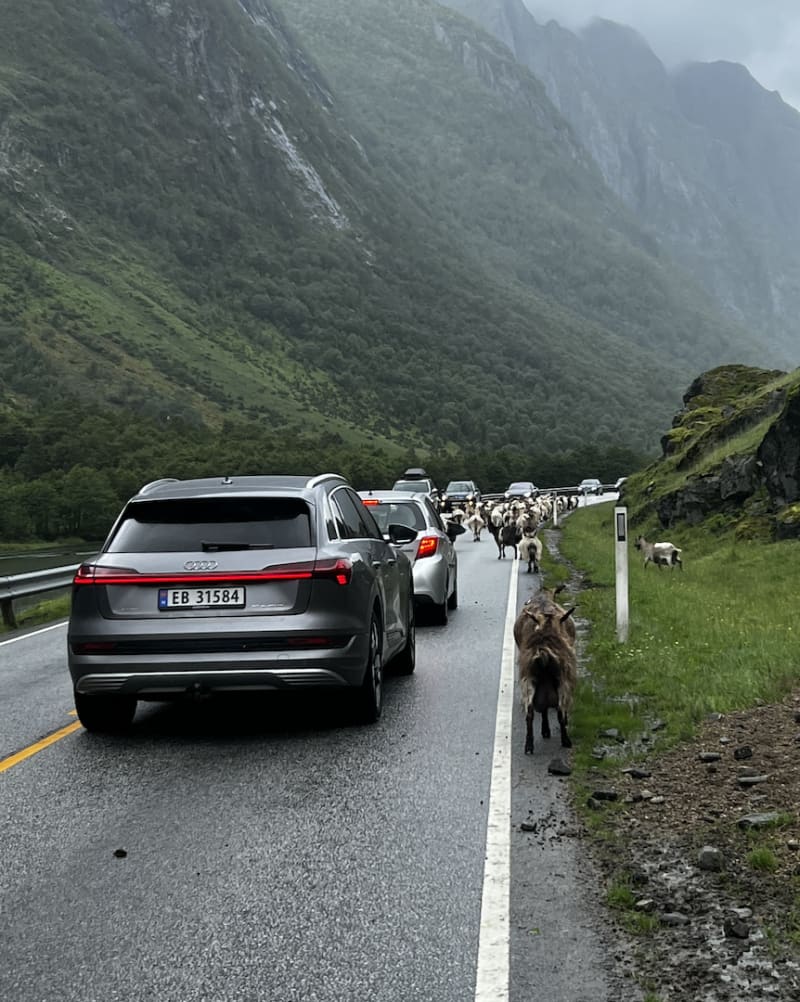
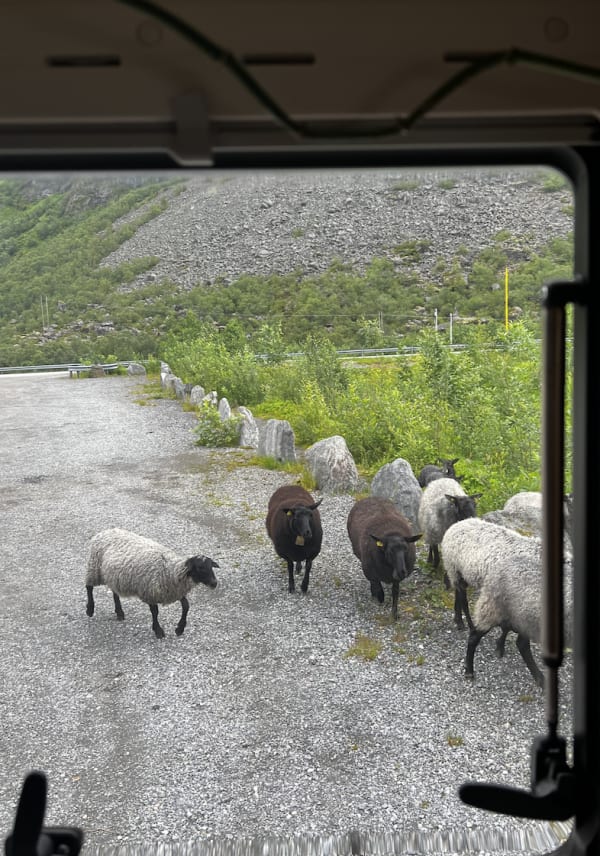
Driving in Norway is peaceful, safe, and almost meditative — but also demanding depending on the region.
What to expect:
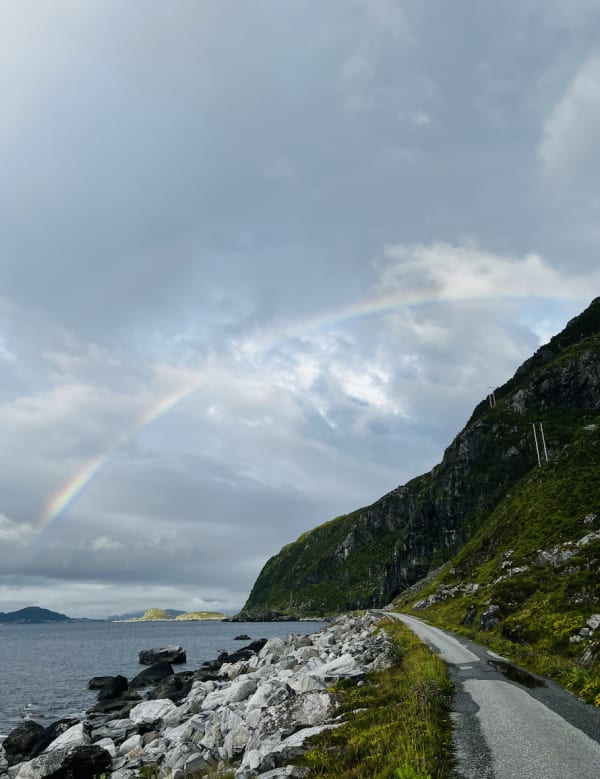
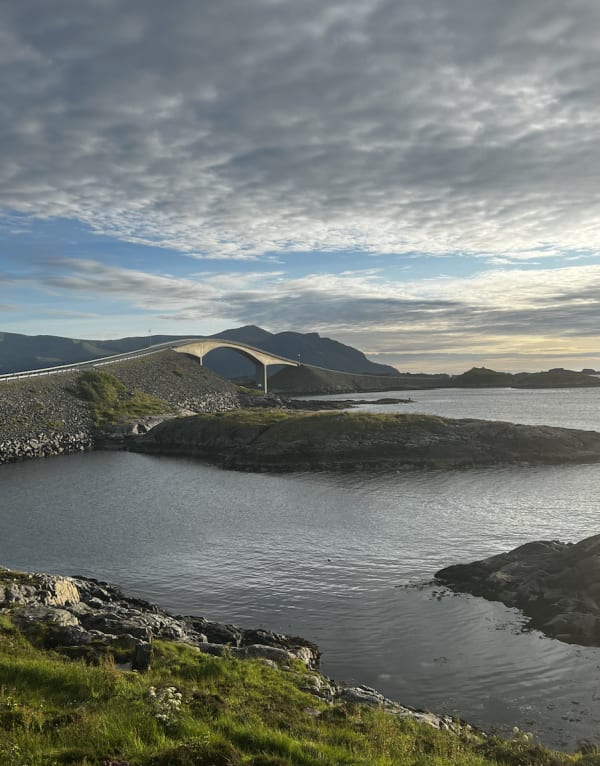
Roads are narrow, winding, and sometimes steep
Weather changes rapidly
Many mountain roads have no guardrails
Speed limits are low but enforced strictly
Speed limits:
50 km/h in towns
80 km/h rural roads
90–110 km/h on a few motorways
Toll Roads
Norway has an automatic toll system called AutoPASS. You can register your camper beforehand, but even if you don’t, you’ll simply receive an invoice by mail after your trip.
Winter Driving
Norwegian winter is magical - but only if your camper is prepared.
You will need:
Excellent insulation
Strong heating system
Winter tires (spikes highly recommended)
Full water tanks inside the vehicle to prevent freezing
Extra clothes, diesel, and food
Mountain passes may close quickly due to weather.
5.Camping
5.1 Campgrounds
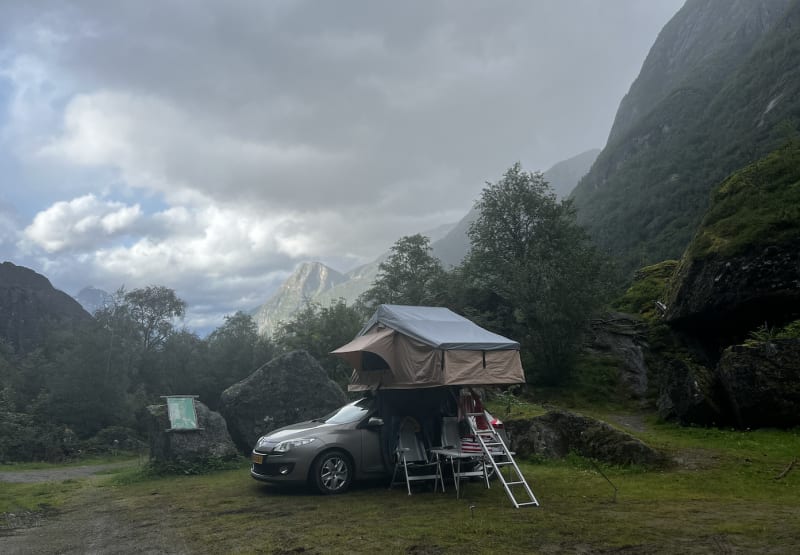
Norwegian campgrounds are generally excellent: clean, spacious, often family-run, and usually located in spectacular nature.
Expect:
Modern sanitary buildings
Kitchens and lounges
Laundry facilities
Many sites right by fjords, lakes, or forests
Cabins for rent (“hytter”)
Prices:
25–45 € per night
Cabins start at 60–100 €
5.2 Wild Camping in Norway
Norway is famous for its outdoor freedom — but there is a misunderstanding here: The “Right to Roam” DOES NOT apply to motorhomes. It applies only to:
Tent campers
Hikers
Cyclists
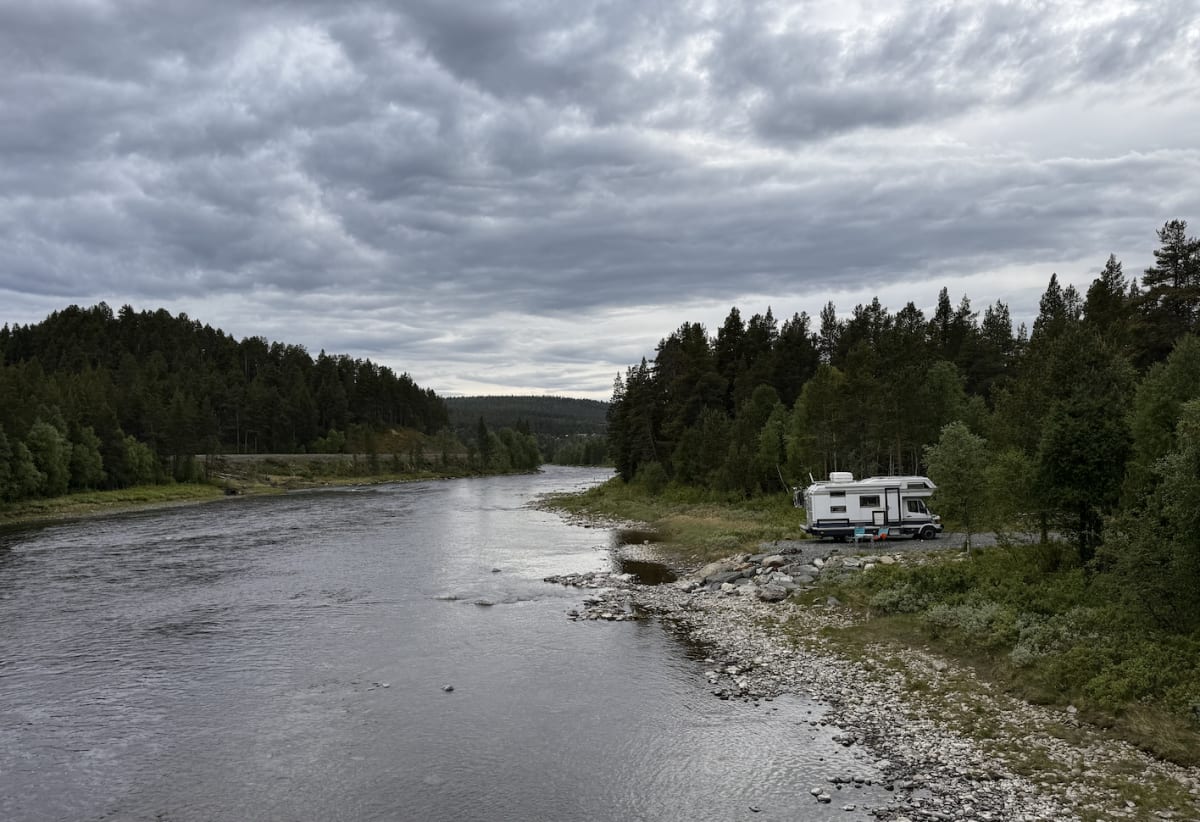
Motorhomes are not allowed to park freely on private land or off-road.
So what IS allowed?
You can stay overnight when:
You are parked on a legal, public parking area
No signs prohibit overnight stays
You behave discreetly (no chairs, awnings, grills)
You stay only 1 night
You leave no trace
In practice, Norway is full of beautiful legal overnight spots:
Lay-bys along fjords
Scenic gravel bays
Mountain car parks
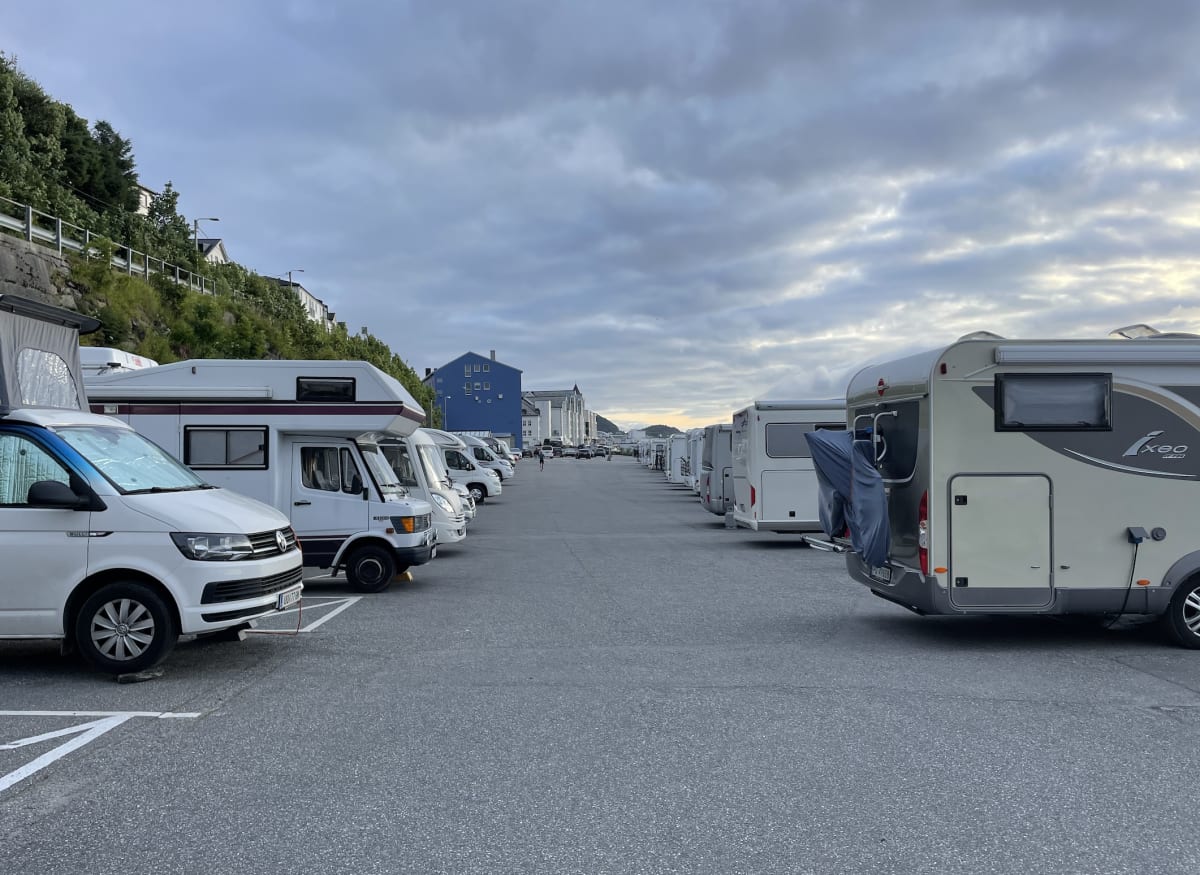
Marina and harbor lots
Rest areas with toilets
In the south, restrictions are increasing due to overcrowding — but Norway is huge. Outside of hotspots, there is rarely a problem.
6.Services
Water & Dump Stations
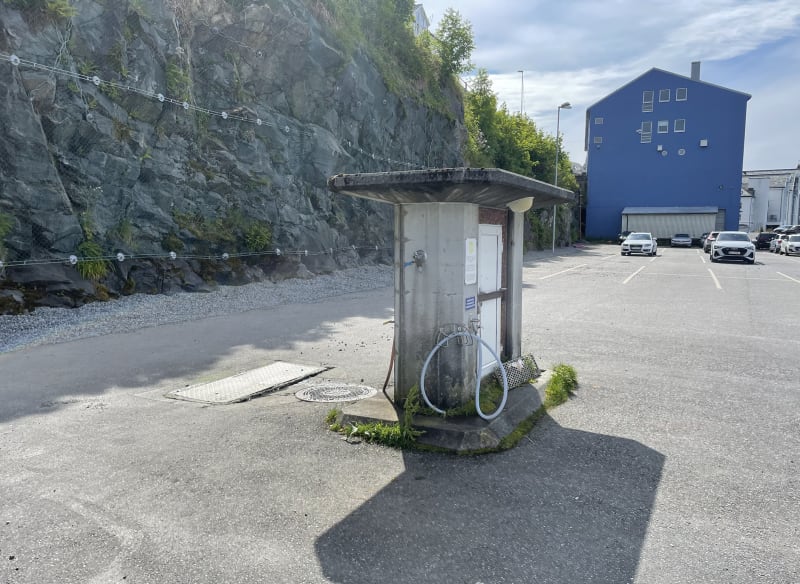
Freshwater quality is excellent everywhere - often even better than bottled water. Norway has one of the best motorhome infrastructures in Europe. You cna fill and empty your tanks at:
Campgrounds
Marinas
Many petrol stations
Public dump points
Gas
Norway uses its own gas bottle system.
You may need:
adapters
or you can buy a Norwegian bottle and swap it countrywide
Groceries
Supermarket chains:
Rema 1000 (budget-friendly)
Kiwi
Coop
Spar
Everything is more expensive than in continental Europe, especially alcohol.
Food You Should Try
Norwegian cuisine is simple, fresh, and local:
Fresh salmon
Fish soups
Skrei (Arctic cod)
Brunost (brown cheese)
Waffles with sour cream
“Skillingsboller” (cinnamon buns)
7.Routes
Fjord-Dream: Kristiansand to Bergen
8.Highlights
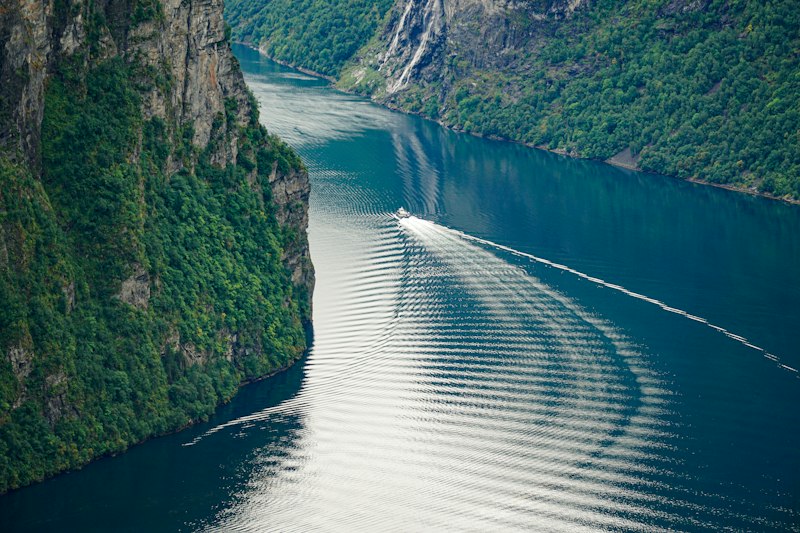
Geirangerfjord
UNESCO World Heritage site with steep rock faces and spectacular waterfalls. One of Norway's most famous fjords with breathtaking panoramas.

Preikestolen
604-meter high cliff with spectacular views over the Lysefjord. One of Norway's most famous tourist attractions.
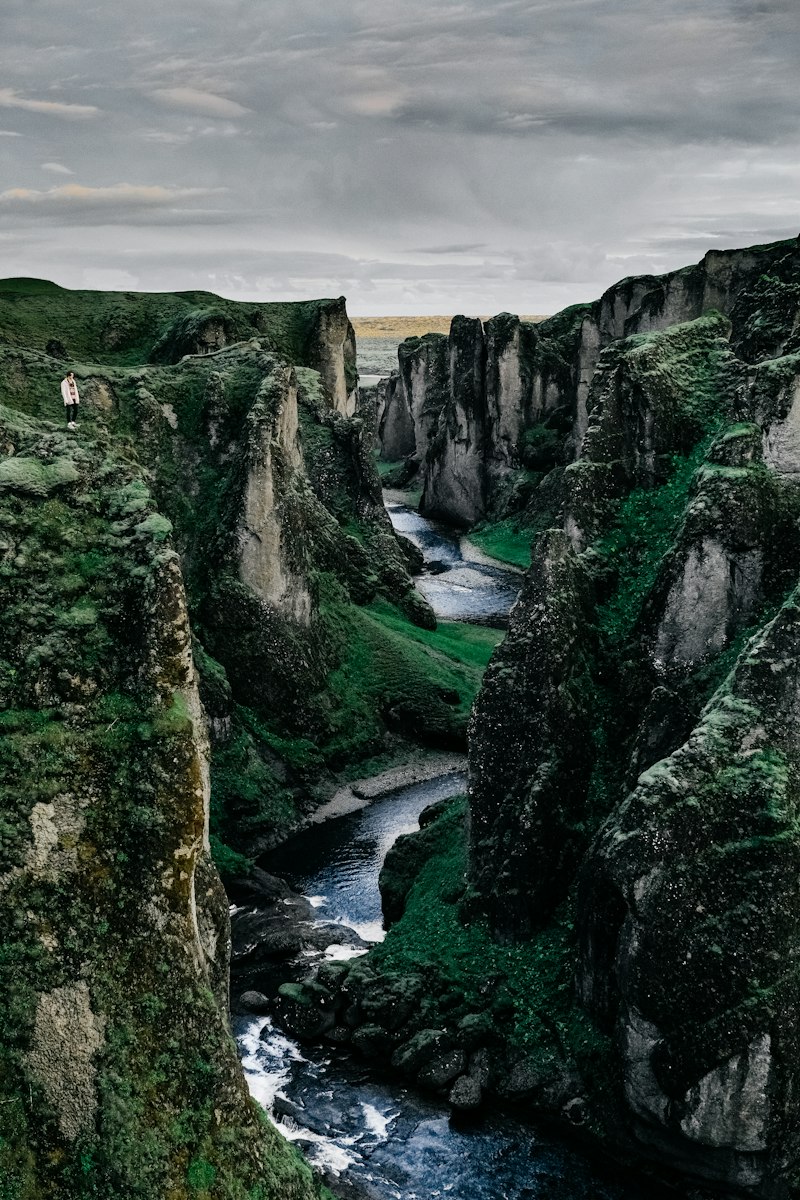
Trolltunga
Iconic rock ledge over Ringedalsvatnet. A challenging hike with an unforgettable view as a reward.
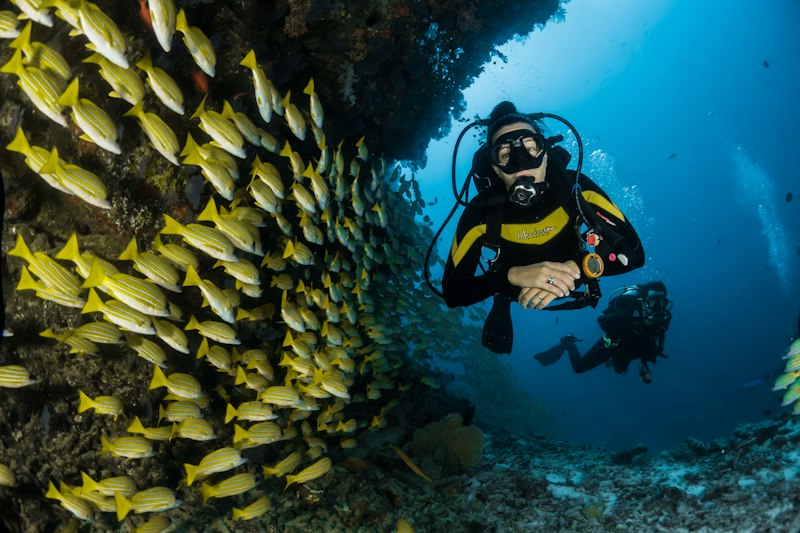
Lofoten
Picturesque archipelago with dramatic mountains and traditional fishing villages. Perfect for outdoor adventures and photography.
North Cape
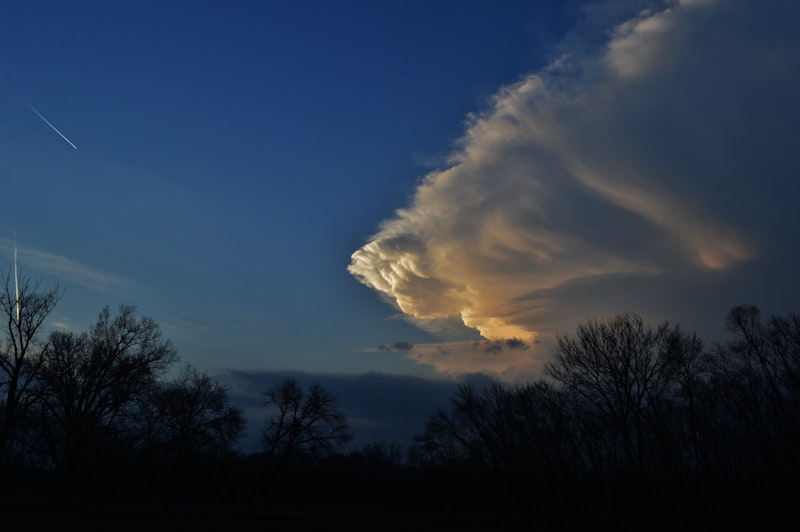
The northernmost point of Europe with midnight sun in summer. A symbolic place at the end of the world.
Bergen
Charming harbor city with colorful wooden houses (Bryggen). UNESCO World Heritage site and gateway to the fjords.
9.Prices
Norway’s currency is the Norwegian krone (NOK). Prices are usually written as kr.
For a rough conversion, many travelers use: 10 NOK ≈ 1 € (varies slightly with exchange rates)
Paying in Norway: Cards Everywhere
Norway is one of the most cashless countries in the world. You can pay literally everything with a bank card or phone:
Norway is expensive — but worth it.
Camping: 25–45 €
Diesel: higher than EU average
Alcohol: very expensive (a beer might cost event up to 15€)
Eating out: expensive
Groceries: moderate to high
Many Norwegians don’t carry cash at all — and as a traveler, you won’t need it either. If you bring cash, don’t convert much. Some shops and cafés do not accept cash at all. Parking (including remote trailheads or fjord viewpoints) is also mostly digital:
You pay via card, QR code, or apps such as EasyPark, Vipps (Norway’s favorite), or local systems
10.Safety
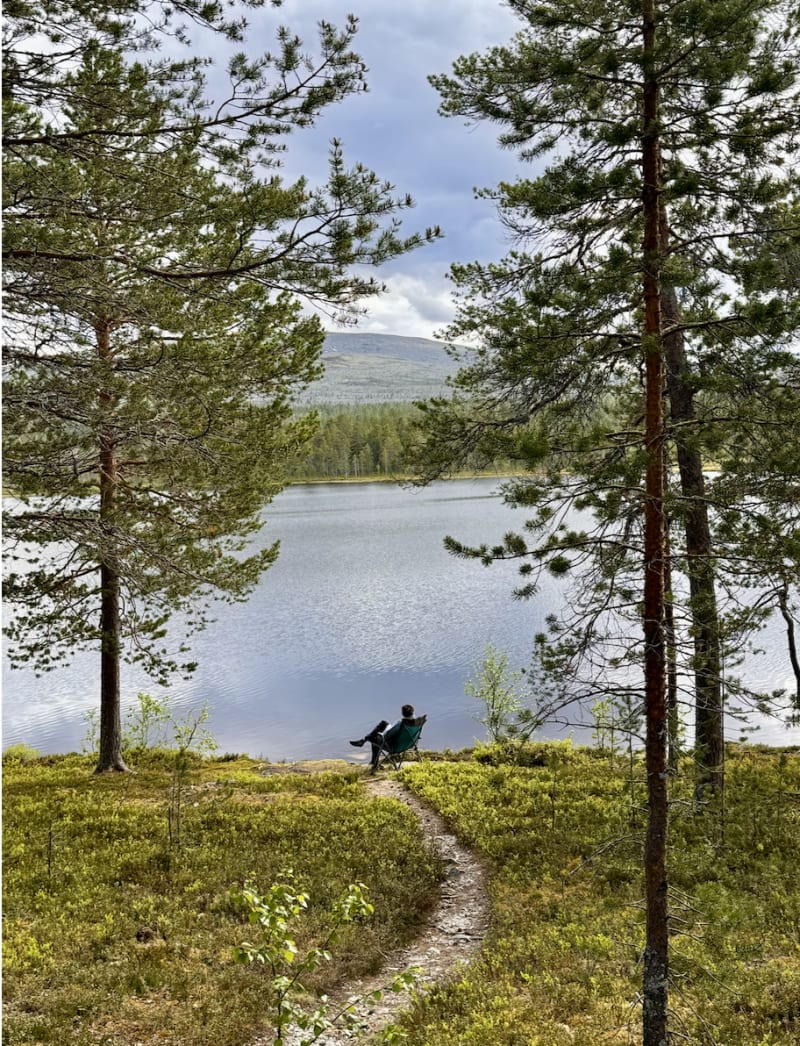
Norway is one of the safest countries in the world.
Tips:
Avoid sleeping on motorway rest stops (risk of theft)
In fjords, sudden winds can be strong
Weather shifts can be extreme in mountains
Road closures are common in winter
Moose are common and dangerous in traffic – drive especially carefully at dusk
Emergency numbers:
• General emergency: 112
• Police: 112
• Ambulance: 113
• Fire department: 110
• Mountain rescue: 112 (specify mountain emergency)
11.Conclusion
Roadtripping through Norway with a campervan or motorhome is one of the most unforgettable travel experiences you can have in Europe. The landscapes are epic, the roads quiet, and the sense of freedom enormous. Yes, Norway is expensive — and the rules about free camping require attention - but the natural beauty more than compensates.
.
If you travel slowly, respectfully, and with curiosity, Norway will reward you with midnight sun, northern lights, dramatic landscapes, and memories that stay with you forever.