1.Overview
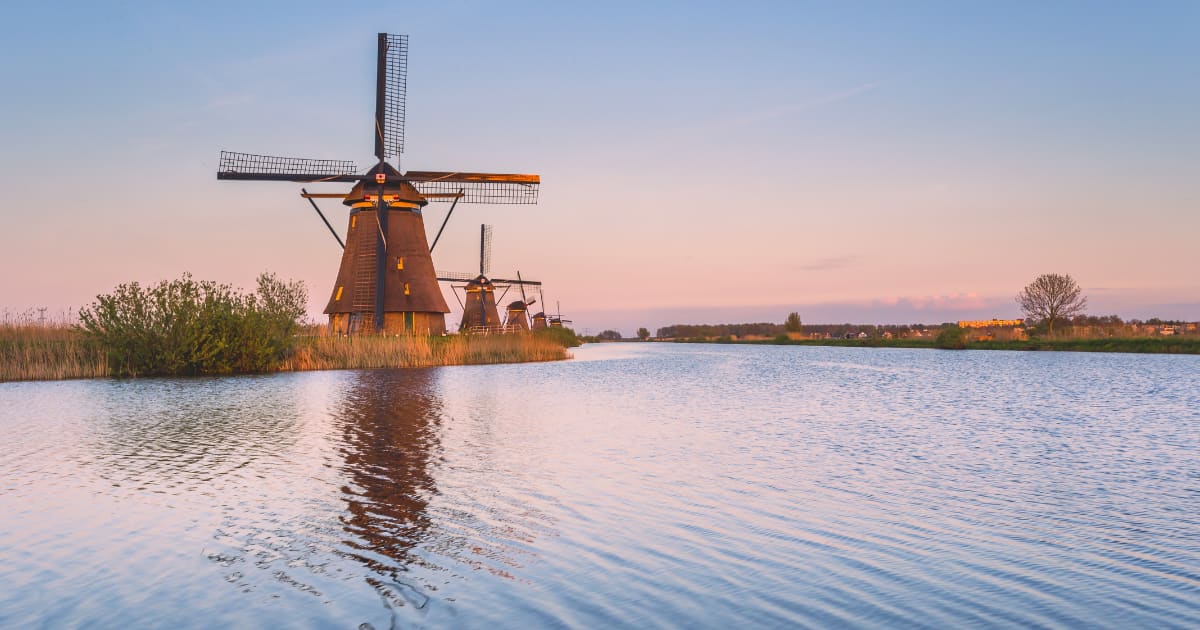
The Netherlands is one of Europe’s most camper-friendly and accessible destinations. Although small in size, it offers an incredible range of landscapes and experiences: endless sandy beaches, iconic dune systems, tulip fields, charming canals, national parks, cosy villages, modern cities and a famously relaxed, outdoorsy lifestyle.
For motorhome travellers, the Netherlands is a dream:
✔ outstanding infrastructure
✔ an enormous choice of micro-campsites, farm camps, nature camps, marina camper spots, and urban camper parking
✔ easy driving conditions
✔ safe, clean, organised services everywhere
Camping is deeply rooted in Dutch culture. The country has over 2,000 campsites, more than 1,000 mini-campings, hundreds of official camperplaatsen (motorhome stopovers), and a huge network of nature camping grounds. Even in high season, it’s one of the easiest countries in Europe when it comes to finding a legal, comfortable spot to stay.
What makes the Netherlands truly unique is the variety:
You can sleep directly behind the dunes, on a quiet farm with animals, next to a marina, in the middle of a forest, or just outside a historic city like Utrecht or Delft.
The Netherlands is compact, easy to navigate, and incredibly convenient – perfect for a relaxed, stress-free motorhome trip.
2.Getting There
2.1 Arriving with Your Own Motorhome
Most travellers arrive overland from:
Germany → Eastern Netherlands (Enschede, Arnhem, Nijmegen)
Belgium → Southern Netherlands (Maastricht, Breda, Zeeland)
France → via Belgium → Zeeland or Noord-Brabant
Denmark / Scandinavia → via Germany → Groningen or Friesland
The road network is excellent, signage is clear, and Dutch motorways are well maintained. Traffic can be heavy around major cities (Rotterdam, Amsterdam, Utrecht), especially during rush hours, but outside of that, driving is easy and relaxed.
There are no vignettes in the Netherlands and the majority of roads are toll-free, with only a few exceptions (like Liefkenshoek tunnel near the Belgian border)
2.2 Ferries to the Netherlands
All ferries allow motorhomes.
From the UK:
Harwich → Hook of Holland (Stena Line)
~7 hours, overnight cabins availableHull → Rotterdam (P&O Ferries)
~12 hours overnightNewcastle → Amsterdam/IJmuiden (DFDS)
~15–16 hours overnight
Ferries from Scandinavia or the Baltics usually connect via Germany.
3.Entry & Formalities
3.1 Documents
EU/EEA travellers need only:
ID card or passport
EU Pet Passport (if travelling with pets)
Microchip + valid rabies vaccination
Dogs are widely accepted at campsites, cafés and walking trails.
Some beaches restrict dogs during July–August, but off-season access is excellent.
Travelling from the UK — What You Need
Since Brexit, UK citizens are treated as non-EU visitors. Entry is still straightforward, but you must follow a few rules:
You need:
A valid passport
Must be less than 10 years old
Must be valid for at least 3 months after leaving the EU
Motorhome insurance with European cover
V5C (logbook) to prove vehicle ownership
UK sticker on the rear of your vehicle
(the old ‘GB’ sticker is no longer valid)
If travelling with a pet from the UK:
The EU Pet Passport is no longer valid for UK-issued documents.
You need an Animal Health Certificate (AHC) issued within 10 days before travel.
A microchip & up-to-date rabies vaccination are required.
Each re-entry into the EU requires a new AHC.
Ferries from the UK to the Netherlands check documentation carefully, so keep everything easily accessible.
3.2 Vehicle Requirements
The Netherlands keeps its rules clear, modern and consistent:
Low Emission Zones (LEZ) exist in Amsterdam, Rotterdam, Utrecht and Arnhem.
Older diesel vehicles (pre-Euro 3) may be restricted.
Most modern motorhomes are unaffected, but it’s worth checking your engine class.Warning triangle is mandatory.
Safety vest recommended (not required by law).
Lights are not mandatory during the day, but using dipped headlights is advised in poor weather.
Alcohol limit: 0.5‰ — strictly enforced.
4.Driving
Driving here is calm, controlled, and exceptionally predictable. Yet, the Netherlands comes with one special rule every camper must know
Daytime speed limit on motorways: 100 km/h
This rule surprises many visitors. It applies from 06:00 to 19:00 on most highways.
At night, the speed limit rises to 120 or 130 km/h.
General Speed Limits
Urban areas: 30–50 km/h
Rural roads: 80 km/h
Motorways: 100 km/h day / 120–130 km/h night
Things to watch out for
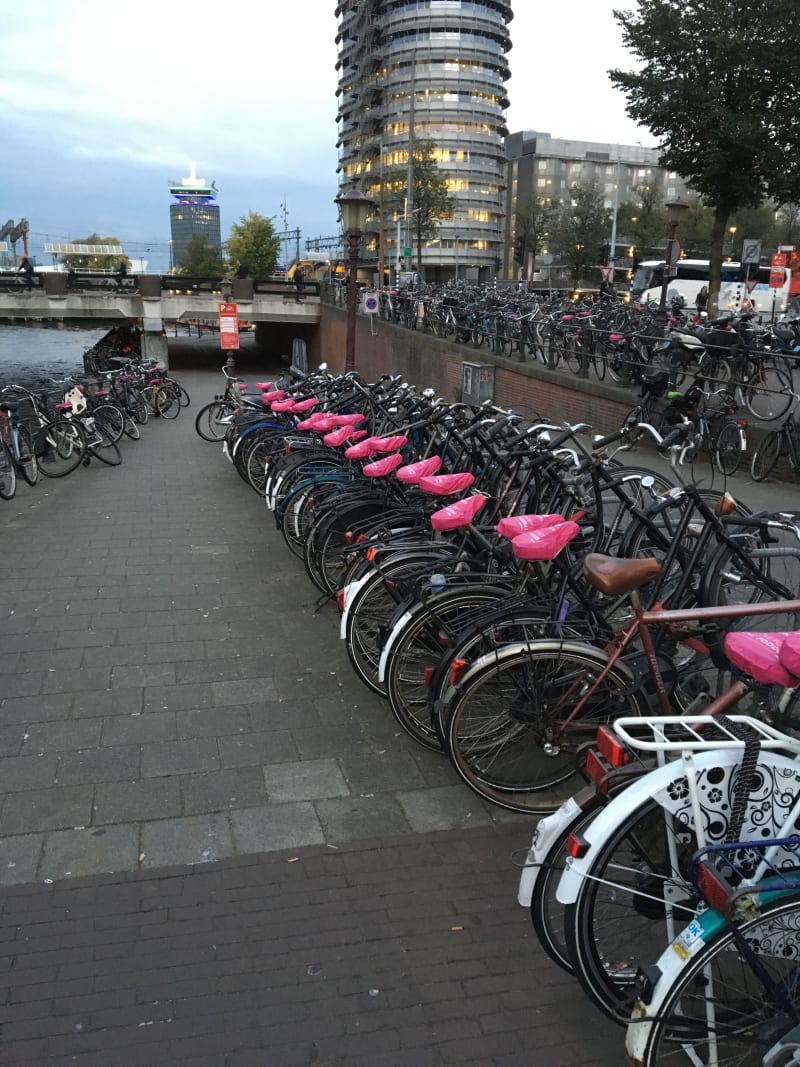
Cyclists appear everywhere — and they have priority.
Narrow dike roads: beautiful, but tricky in windy weather.
Rain & wind: storms can be strong near the coast.
5.Camping
The variety and quality of Dutch camping options are unmatched. There is a perfect spot for every type of traveller — from families to cyclists, from nature lovers to city explorers.
5.1 Traditional Campsites (Over 2,000 nationwide)
Dutch campsites are known for:
spotless sanitary facilities
lush green lawns
quiet hours
family-friendly design
indoor play areas (rain-proof!)
excellent Wi-Fi
bread services and small cafés
Many coastal sites feel like small holiday resorts, with:
restaurants
climbing parks
bike rentals
direct dune access
Prices
Low season: 18–35 €
High season: 35–70 €
Premium coast sites: 70–100 €
5.2 Camperplaatsen – Dutch Motorhome Stopovers
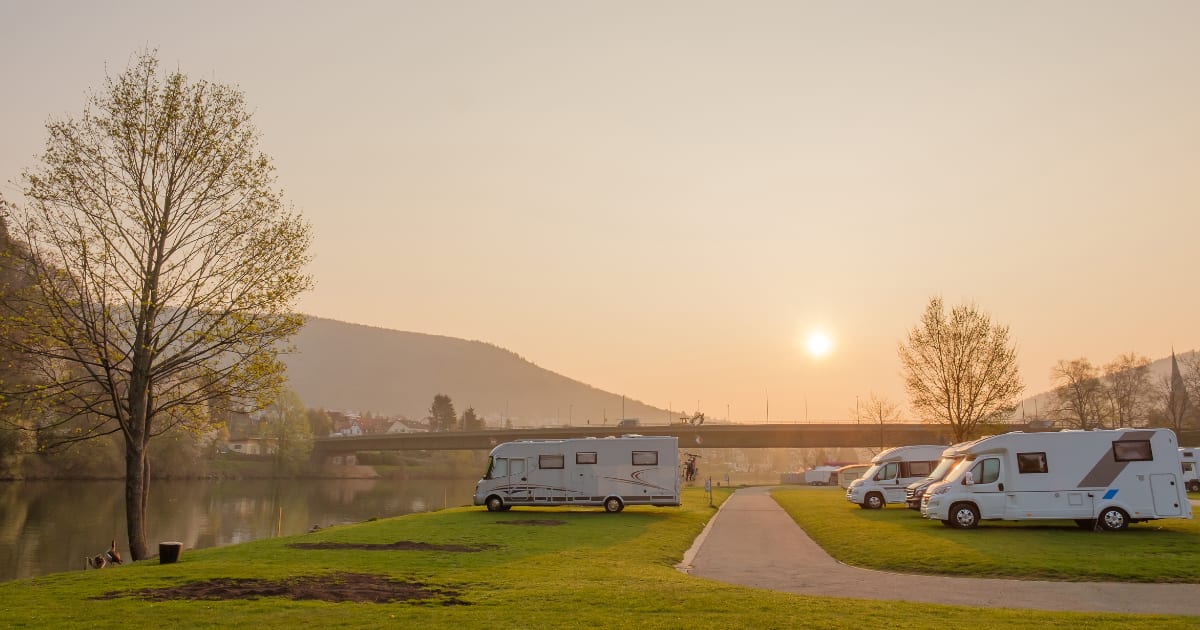
The camperplaatsen network is one of the Netherlands’ greatest strengths.
These are official, legal overnight places made exclusively for motorhomes — similar to French Aires but often even cleaner and better organized.
You find them:
in small villages
at marinas
near historic towns
beside rivers and canals
directly behind dunes
next to bike routes
even inside urban parks
What to expect
paved, level parking
waste disposal
fresh water
electricity available at many sites
quiet and safe environment
often scenic views (marinas!)
Prices range from free to 25 €, depending on location and services.
These stopovers feel almost like wild camping — quiet, close to nature — but completely legal and structured.
5.3 Mini-Camps (Minicamping / Boerencamping / SVR)
Mini-camps are the hidden gem of the Netherlands. They offer:
farmland peace
huge open meadows
orchards with fruit trees
private gardens with a dozen pitches
animals (sheep, cows, goats, chickens)
home-made products
child-friendly atmospheres
They are significantly quieter than large campsites and perfect for travellers seeking authenticity and local connection.
Price range: 15–30 €
These micro-sites deliver one of the most charming camping experiences in Europe.
5.4 Wild Camping
Wild camping is not easy in the Netherlands and monitored by rangers.
Fines can be high, especially in:
dune reserves
beaches
national parks
forests
farmland areas
The Netherlands is too densely populated for true wild camping.
But the excellent camperplaatsen network fully compensates for it — many are so scenic and peaceful.
6.Services
Water & Waste
Super easy to find:
camperplaatsen
campsites
marinas
fuel stations
many supermarkets
nature areas
Everything is well maintained, clearly marked, and functioning.
Gas
LPG is widely available
Dutch gas bottles have unique fittings
Foreign bottles cannot always be exchanged or filled
Solution for long trips: buy a Dutch bottle or use multi-adapters.
Shopping
Supermarkets are outstanding:
Albert Heijn (premium)
Jumbo (quality)
Lidl (budget)
Plus, Dirk, Coop (local favourites)
Markets are a food-lover’s paradise — fresh fish, cheese, fruit, vegetables, bread and pastries everywhere.
Try these foods:
Stroopwafels (caramel waffles)
Fresh herring
Kibbeling (fried cod bites)
Poffertjes (mini pancakes)
Dutch cheese (countless regional varieties)
Indonesian-Dutch Rijsttafel
Bitterballen (crispy meat croquettes)
7.Routes
8.Highlights
• North Sea coast – long beaches, dunes
• Wadden Sea – UNESCO World Heritage, tidal flats
• Veluwe – largest forest area
• Biesbosch – wetlands, canals
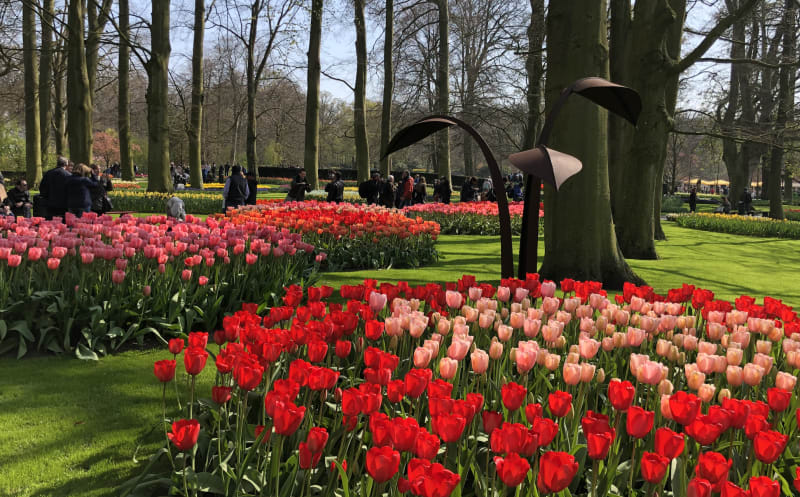
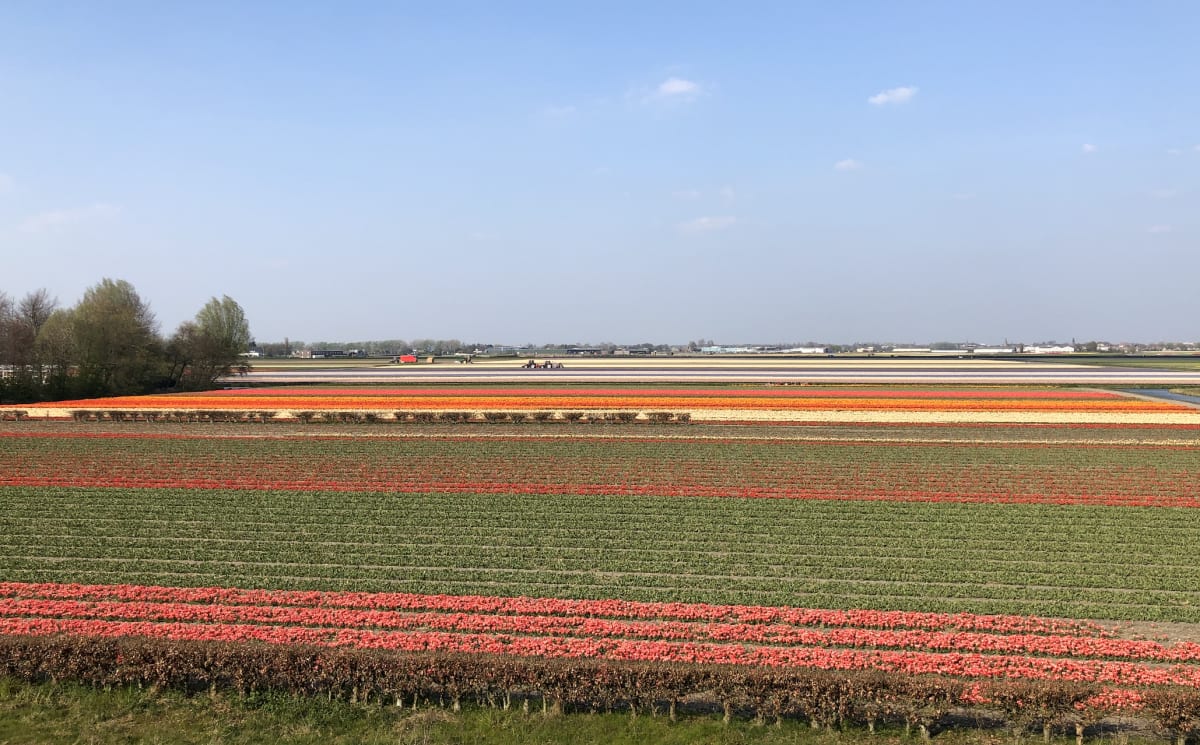
• Keukenhof – tulip fields (in spring)
• Hoge Veluwe National Park – nature, art
• Amsterdam – capital, canals, museums
• Rotterdam – port city, modern architecture
• The Hague – government seat, beach
• Utrecht – historic city, canals
• Maastricht – historic city, culture
• Haarlem – art, culture
• Delft – porcelain, canals
• Leiden – university city, canals
• Cycling (very many bike paths)
• Beach holidays on the North Sea coast
• Canoeing on the canals
• Hiking
• Culture and city tours
• Visit museums
• Visit tulip fields (in spring)
• Stroopwafels – syrup waffles
• Bitterballen – fried balls
• Cheese – Gouda, Edam
• Herring – raw herring
• Poffertjes – small pancakes
• Erwtensoep – pea soup
• Beer – Dutch beer
9.Costs
Campsites: 20–50 €
Camperplaatsen: 0–25 €
LPG: moderate
Diesel: mid-to-high EU range
Groceries: moderate
Eating out: moderate
Motorways: free
The Netherlands is not cheap, but the comfort and cleanliness fully justify the costs.
Money-saving tips:
• Travel outside high season (May, June, September)
• Shop at markets instead of supermarkets
• Use simple campsites
• Drink tap water (very good quality)
• Free activities (cycling, beaches)
10.Safety
The Netherlands is one of Europe’s safest countries for road trips.
Still, some basic precautions apply:
Be especially careful in major cities (Amsterdam, Rotterdam)
Make copies of important documents
Avoid overnighting on motorway rest areas
Use camperplaatsen or campsites instead
Lock valuables out of sight
Install a visible alarm sticker
Expect extremely strong coastal winds in autumn and winter
Watch for cyclists before opening doors
Healthcare is excellent, drinking water is clean everywhere, and emergency services respond quickly.