1.Overview
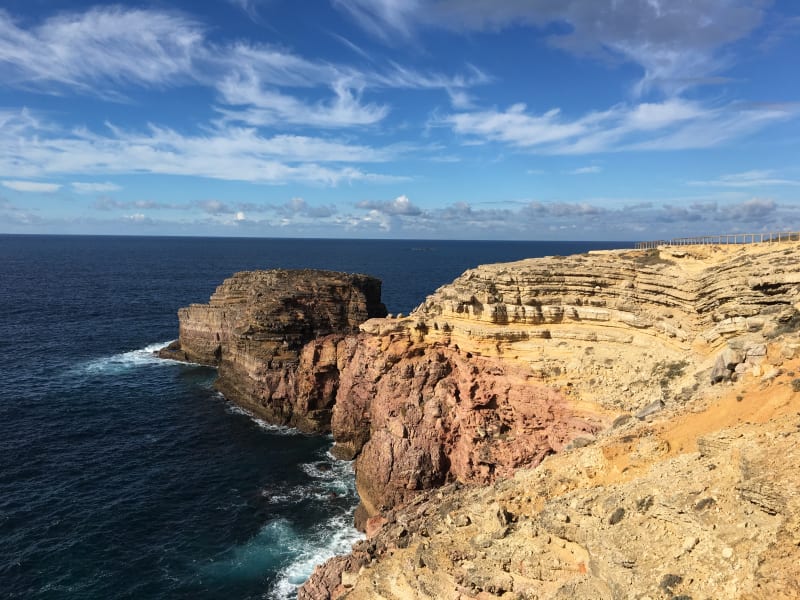
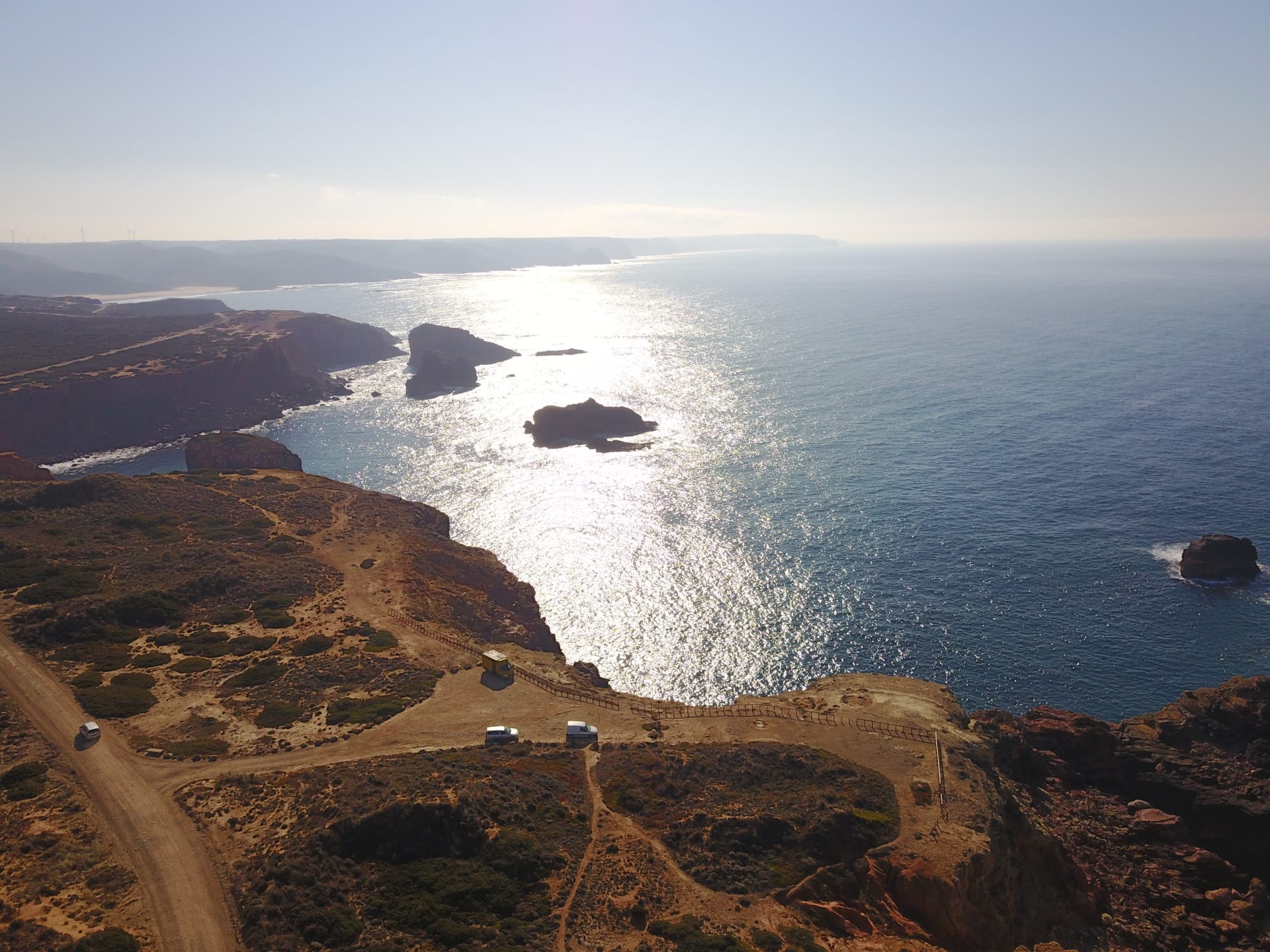
Portugal is one of Europe’s most beloved destinations for roadtrips — and for good reason. The country offers a mild climate, dramatic Atlantic coastlines, charming wine regions, historic cities, friendly people and an easy-going lifestyle. For anyone traveling with a campervan or motorhome, Portugal provides the perfect combination of beautiful nature, well-maintained roads and a dense network of camping and service facilities.
The Atlantic coastline feels wild and largely untouched, while cities like Lisbon, Porto, Coimbra, Évora or Faro are full of culture and atmosphere. The inland regions are peaceful, rural and ideal for slow travel. Many campers even choose Portugal as their winter base thanks to the mild temperatures.
However, the large increase in camper travel has also led to stricter rules — wild camping is officially prohibited, and coastal regions enforce fines more frequently. Still, with Portugal’s extensive network of campsites and municipal motorhome areas (“Aires”), traveling remains extremely comfortable and enjoyable.
Portugal is a place to fall in love with — especially if you appreciate nature, the sea, good food and a relaxed pace of life.
2.Getting There
2.1 Arriving with your own vehicle
Most travelers enter Portugal via Spain. Border crossings are simple, as Portugal is part of the EU and Schengen. Main access points include:
Badajoz → Lisbon
Salamanca → Porto
Seville → Algarve
Roads are well developed, and the journey across Spain is smooth and efficient.
2.2 Tolls in Portugal
Portugal uses a dual toll system. Some motorways still have traditional toll booths where you pay directly. However, most of the country relies on electronic tolling, with cameras scanning your license plate.
For foreign vehicles, you can choose between:
EasyToll: Register your credit card at border stations and pay automatically.
TollService: A prepaid option for short trips.
Via Verde: A windshield transponder offering the fastest, most convenient experience.
Portugal is cheaper than France or Italy when it comes to tolls. For example:
Porto → Lisbon around €20,
Faro → Lisbon €13–17.
Best Time to Visit
Portugal can be visited year-round thanks to its mild climate. The ideal travel season runs from May to October, when the weather is warm and pleasant. July and August are the hottest months (around 27°C) and also the busiest. If you prefer quieter conditions, June, September and October are perfect, offering warm days, comfortable water temperatures and fewer crowds. Winter is especially popular among long-term travelers, with many camping along the Algarve coast to enjoy mild weather and peaceful beaches.
3.Entry & Formalities
EU citizens only need an ID card or passport to enter Portugal. Pets require an EU pet passport and a valid rabies vaccination.
For vehicles, standard EU regulations apply: warning triangle, high-visibility vest and all vehicle documents must be carried.
The alcohol limit is 0.5‰.
A key rule concerns overhanging loads:
If you carry bikes or any rear-mounted load, Portugal requires a red-and-white reflective warning plate. Using the wrong type (e.g., Italian or Spanish versions) may result in a fine.
4.Driving in Portugal
Portugal’s road network is modern and well maintained. Coastal motorways and inland highways are easy to navigate, and traffic outside major cities is generally light.
Drivers are calm and respectful, though city traffic (Lisbon in particular) can be hectic at times. Roundabouts are common and clearly regulated. Speed cameras are enforced consistently.
In rural villages, streets can be extremely narrow — take care with larger motorhomes.
5.Camping
5.1 Campsites
Portugal has one of the best camping networks in Europe. Many campsites are located near the ocean, in pine forests or close to historic towns. Facilities are often excellent, with clean washrooms, swimming pools, on-site bakeries, restaurants and shaded pitches.
Prices vary by season:
Low season: €12–25
High season: €25–45
Premium/Luxury sites: €50–70 (especially on the Algarve in summer)
Municipal campsites are simple, clean and extremely affordable (around €5–10).
5.2 Wild Camping
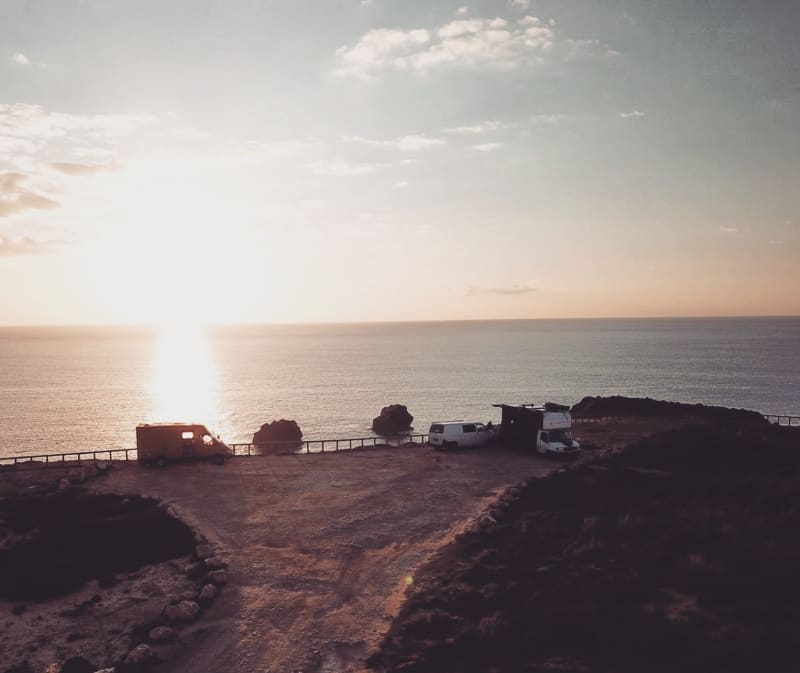
Wild camping is officially forbidden throughout Portugal. Enforcement is strict in summer, especially near beaches, surf hotspots, national parks and the Algarve.
In winter and during shoulder seasons, rules are more relaxed in rural areas. Large car parks or remote inland locations may tolerate an overnight stay as long as:
no signs prohibit parking
you arrive late and leave early
you avoid “camping behaviour” like chairs, awnings or outdoor cooking
Despite this, the safest strategy is to rely on official Aires or campsites.
6.Services
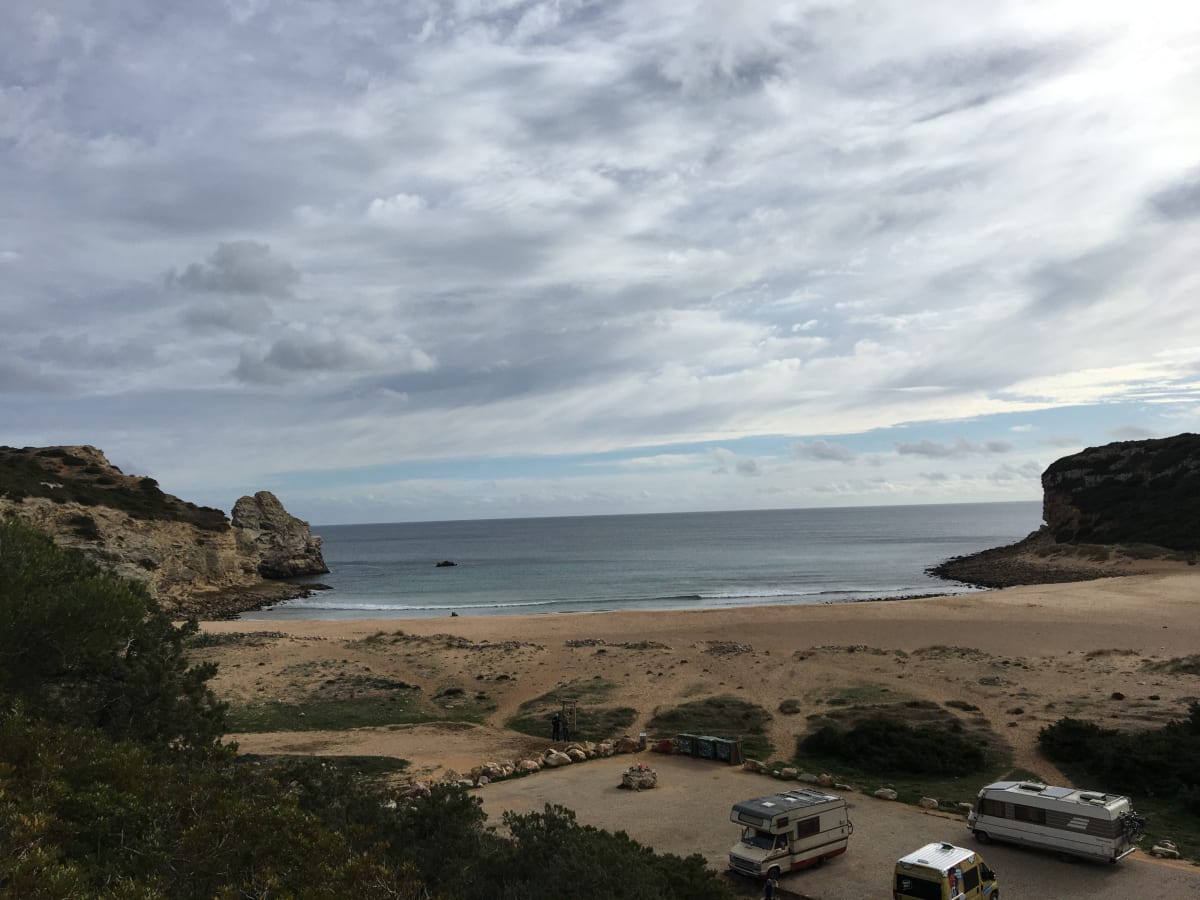
Portugal is exceptionally well equipped for vanlife.
Most campsites and many towns offer full-service areas for water, waste disposal and electricity. Municipal Aires are widespread and often free or very inexpensive.
Tap water is safe to drink, though lightly chlorinated. Gas can be refilled or exchanged at Galp, Prio or Repsol stations; foreign bottles may require adapters or replacement with a Portuguese bottle.
Supermarkets are everywhere — Pingo Doce, Continente, Intermarché (often with motorhome services) and Lidl.
Food you must try
Portugal is a treasure for food lovers:
Bacalhau (salted cod in endless variations)
Pastéis de Nata
Arroz de Marisco
Grilled sardines
Octopus dishes
Bifanas (pork sandwiches)
Vinho Verde
Port wine from the Douro Valley
7.Routes
Portugal & Spain Surfing Trip
8.Highlights
• Algarve Coast – spectacular rocky coast, beaches
• Douro Valley – vineyards, river, UNESCO World Heritage
• Peneda-Gerês National Park – mountains, nature
• Madeira – subtropical island, levadas
• Azores – volcanic islands, nature
• Cabo da Roca – westernmost point of Europe
• Lisbon – capital, historic old town, tram
• Porto – wine, historic old town, UNESCO World Heritage
• Sintra – palaces, UNESCO World Heritage
• Évora – historic city, UNESCO World Heritage
• Coimbra – university city
• Braga – historic city
• Guimarães – birthplace of Portugal
• Beach holidays on the Algarve coast
• Water sports (surfing, diving, sailing)
• Hiking in national parks
• Cycling along the coast
• Culture and city tours
• Wine tasting in the Douro Valley
• Boat tours
• Pastéis de Nata – sweet egg tarts
• Bacalhau – dried cod
• Frango Piri-Piri – spicy chicken
• Cataplana – seafood dish
• Port wine – from Porto
• Local wine
• Fresh seafood
9.Costs
Portugal is cheaper than most Western European countries:
Campsites: €15–35
Lunch menus: €8–12
Restaurants: €15–25
Fuel: slightly more than Spain
Coffee: €0.70–1.20
Wine: excellent value
10.Safety
Portugal is one of the safest countries in Europe.
Petty theft can occur in big cities, but overall crime is very low. Health care is excellent, tap water safe, and in summer you should be mindful of strong sun and Atlantic currents.
Avoid overnight stays at motorway service stations — like in Spain, occasional thefts occur. Instead, choose municipal Aires or campsites.
11.Conclusion
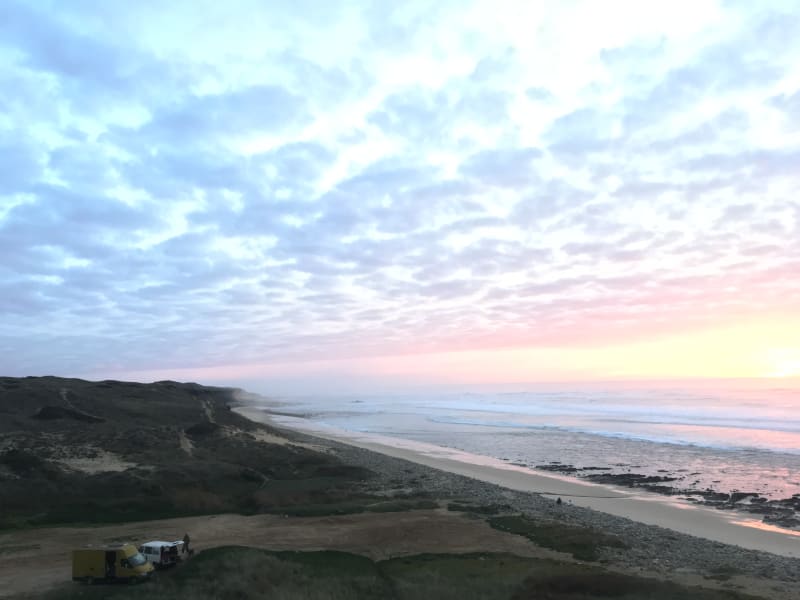
Portugal is an outstanding destination for campervan travel - easy, safe, beautiful and full of variety. With endless coastlines, friendly locals, excellent food and a reliable camping infrastructure, it’s the perfect country to slow down and enjoy the journey.
Whether you prefer hidden beaches, charming villages or vibrant cities, Portugal offers countless moments, große or small, that make every roadtrip unforgettable.