1.Overview
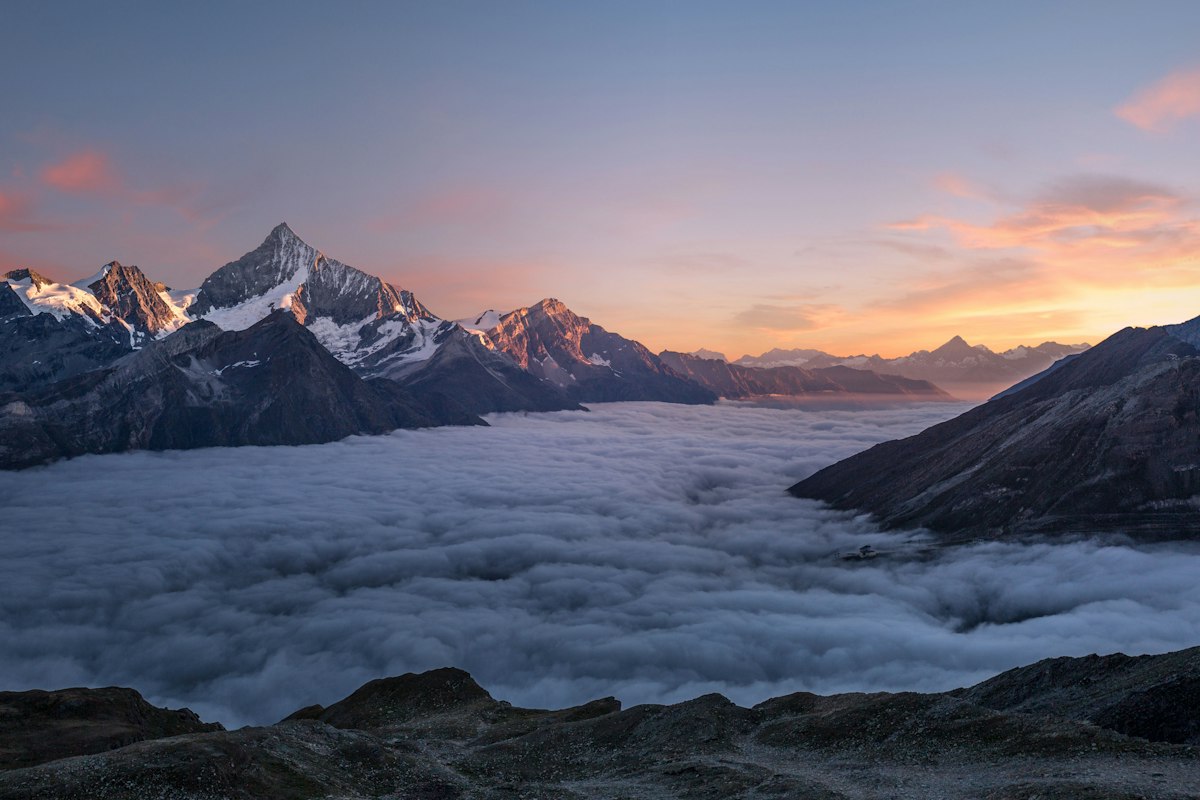
Slovenia is one of those countries that surprises almost everyone who visits. Despite its small size, it offers an astonishing concentration of natural beauty: high alpine peaks, emerald rivers, turquoise lakes, deep forests, wine regions, karst caves, medieval villages and even a tiny—but stunning—Mediterranean coastline.
For motorhome travelers, Slovenia feels almost tailor-made. Distances are short, the roads are well maintained, the landscapes change every few kilometers, and the country is exceptionally clean, safe and easy to navigate. On a single day you can:
wake up beside Lake Bohinj,
drive across the dramatic Vršič Pass,
relax beside the Soča River,
and enjoy sunset in a vineyard near the Italian border.
Slovenia is compact, diverse, and wonderfully practical — the perfect destination for a stress-free camper trip of one to two weeks.
2.Getting There
2.1 Arriving With Your Own Motorhome
Most travelers reach Slovenia overland from one of its neighboring countries:
Germany → northern Slovenia (Maribor, Gorenjska region)
The fastest and smoothest approach for central and northern European travelers.
Austria → via Karawanken Tunnel or Loibl Pass
Perfect for exploring the alpine regions, Lake Bled and Triglav National Park.
Italy → via Trieste or Tarvisio
Ideal if you plan to combine Slovenia with Friuli, Venice or the Dolomites.
Croatia → via Istria or Zagreb
Common for travelers doing a Balkan road trip loop.
Roads are generally excellent. Mountain roads can be narrow and winding, so allow enough time — but the scenery makes every kilometer worthwhile.
Roads are generally excellent. Mountain roads can be narrow and winding, so allow enough time - but the scenery makes every kilometer worthwhile.
2.1By Own Vehicle
• A1 via Graz to Ljubljana
• From Munich to Ljubljana: approx. 500 km, 5-6 hours
• Slovenia has a vignette system
• Vignette required for highways
• Can be purchased online or at border
• Prices: approx. 15€ for 7 days, 30€ for 1 month
• Slovenia is an EU member – no border controls
• Carry green insurance card
• Observe speed limits
• Vignette required
3.Entry & Formalities
3.1 Documents
EU/EEA citizens only need:
ID card or passport
Pets require:
EU Pet Passport
microchip
valid rabies vaccination
Slovenia is extremely dog-friendly; dogs are welcome in cafés, campsites and on hiking trails. Some beaches have restrictions in July and August.
3.2 Vehicle Requirements
Slovenia follows EU rules with a few additions:
Warning triangle: mandatory
Reflective vest: recommended
Lights: not mandatory during daytime, but highly advised in tunnels and bad weather
Alcohol limit: 0.5‰ (strict enforcement)
Low-emission zones are not common in Slovenia, but some city centers (e.g., Ljubljana) have restricted traffic areas where motorhomes cannot enter.
4.Driving
Driving in Slovenia is generally relaxed. The roads are smooth, signage is clear, and traffic (outside of summer weekends) is light.
But the landscapes require attention — especially in the Alps.
4.1 Speed Limits
Urban areas: 50 km/h
Rural roads: 90 km/h
Expressways: 110 km/h
Motorways: 130 km/h
Motorhomes over 3.5 tons may have lower limits.
Speed cameras are frequent, especially around Ljubljana and the coast.
4.2 Scenic & Mountain Routes
This is where Slovenia truly shines.
Vršič Pass (1,611 m) – legendary 50 hairpins
A dream route for confident drivers. Expect steep gradients, tight corners and cobblestone sections — rewarded by unreal alpine views.
Pokljuka Plateau
A forested road leading to one of the most beautiful high alpine meadows in Europe. Wide enough for motorhomes, peaceful and magical.
Bohinj Region
Rolling roads surrounded by forests and peaks; ideal for slow, scenic driving.
Soča Valley
One of Europe’s most spectacular river drives — turquoise water, hanging bridges and dramatic gorges.
4.3 Weather
The Alps create rapid weather shifts. Always:
check pass conditions before driving
avoid mountain roads during storms
keep your fuel tank above half
expect cold nights even in June at altitude
5.Camping
Camping in Slovenia is a pleasure in every sense. The country offers an impressive mix of large, well-equipped campsites, scenic mini-camps run by local families, and an increasing number of modern camper stops. What makes Slovenia special is the way these places blend into nature: many are located directly beside rivers, at the foot of mountains, on forest edges, or near quiet alpine lakes. Even the busier sites feel clean, organized and peaceful — a reflection of Slovenia’s deep respect for the environment.
Because Slovenia is compact, you never need to drive far to reach your next stop. One day you may camp overlooking the emerald Soča River, and the next you’re surrounded by forests near Pokljuka or vineyards in the Vipava Valley. The country suits every style of camping, from full-service resorts to small, rustic spots where the night sky is darker than almost anywhere in Europe.
5.1 Campsites (Around 300 Nationwide)
Slovenia’s official campsites are known for high quality and excellent locations. Many larger sites resemble small holiday parks, with clean sanitary buildings, good water pressure, reliable Wi-Fi, cafés, restaurants, bread service, and easy access to hiking or cycling routes. Lakeside camping is one of Slovenia’s highlights — especially around Lake Bohinj, Lake Bled, Lake Jasna and the lakes around Kranjska Gora.
Campsites near rivers such as the Soča or Savinja offer a different atmosphere: crystal-clear water, dramatic cliffs, suspension bridges and countless opportunities for kayaking, rafting or simply cooling off in the shade of tall pines.
In July and August, the most popular campsites can fill up quickly, and reservations are strongly recommended. Outside these months, especially in May, June, September and October, you’ll find plenty of space, milder temperatures and lower prices — many travelers consider this the absolute best time to explore Slovenia by motorhome.
Prices vary depending on the region and season. While high-season rates often fall between €40 and €50 per night for two adults and a motorhome, shoulder months can be €15–€20 cheaper, offering excellent value.
5.2 Camper Stops (Stellplätze / Camper Stops)
Slovenia has invested heavily in building a network of legal, well-marked and reliable motorhome stopovers. These camper stops are typically located on the edge of towns, near marinas, cable cars or rivers, offering the perfect compromise between comfort and freedom.
They are simple but functional: a level parking surface, proper disposal for greywater and toilet cassettes, fresh water, and often electricity. Many are surrounded by beautiful scenery — think views over the Soča Valley, walking distance to Lake Bled, or just a short ride from charming old towns.
Camper stops provide a quieter, more flexible alternative to campsites and are ideal for travelers who move frequently and prefer short overnight stays rather than long resort-style stays. With prices usually between €10 and €25, they are one of the most budget-friendly ways to travel around Slovenia without sacrificing comfort or security.
5.3 Microcampings & Eco-Camping (Beloved by Campervan Travelers)
One of Slovenia’s greatest strengths — and something that sets it apart from larger camping countries — is its abundance of small, family-run microcampings. These places often have only a handful of pitches, set among vineyards, orchards, farms, meadows or quiet forest clearings.
Staying on a mini-camp feels deeply personal. Hosts might offer homemade honey, cheese or wine, share tips for local hikes, or simply greet you as if you were a neighbor. Facilities are usually simple but clean, with enough space to enjoy peace and privacy. Many travelers enjoy these mini-camps more than the larger sites — the atmosphere is warm, authentic, and far removed from mass tourism.
Prices typically range between €15 and €30, making them an affordable and rewarding choice. They are especially wonderful in early summer and autumn, when flowers bloom, vineyards ripen, and the landscapes are at their most colorful.
5.4 Wild Camping in Slovenia
Wild camping is officially not allowed in Slovenia, and the rules are taken seriously in key tourist regions. Areas such as Lake Bled, Lake Bohinj, the Triglav National Park and the coastal strip near Piran have strict controls and regular patrols. Fines can be surprisingly high, especially during the summer holidays.
However, Slovenia’s reputation for strict rules sometimes creates confusion. Wild camping isn’t equally enforced everywhere. In remote rural inland regions, especially far from national parks and tourist hotspots, some travelers report that discreet overnight stays are tolerated — particularly outside the summer season. This doesn’t mean it is legal, but many locals are relaxed as long as campers behave respectfully, leave no trace, and do not “set up camp.”
Winter wild camping is also impractical due to heavy snow, strong alpine winds and freezing temperatures. Access roads can close quickly, and many overnight spots become unsafe or inaccessible.
Considering the quality and beauty of Slovenia’s mini-camps and camper stops, most travelers find that there is no real need to search for wild camping spots. Legal options feel just as peaceful and offer a more relaxed experience.
6.Services
Slovenia’s infrastructure is excellent, even outside tourist hotspots.
6.1 Water & Waste
You can find service points at:
almost every campsite
many camper stops
marinas
fuel stations
some village parking areas
Slovenian tap water is extremely clean — often fresh from alpine springs.
6.2 Gas
Slovenia uses its own gas bottle system.
Foreign bottles are rarely exchanged
LPG refills available at many fuel stations
For long trips: buy a Slovenian gas bottle
In the Alps (even in late spring), nighttime can be chilly — bring enough gas for heating.
6.3 Shopping & Food
Supermarkets are modern and easy to find:
Mercator
Spar
Lidl
Hofer (Aldi)
Local markets are incredible: fresh figs, honey, wine, cheese, vegetables and trout.
Must-try Slovenian dishes:
Štruklji
Jota stew
Potica cake
Kremšnita (Bled cream cake)
grilled trout
Karst prosciutto
6.4 Internet & Connectivity
Slovenia has excellent mobile coverage.
EU roaming applies
4G/5G available almost everywhere except deep mountain valleys
Campsites usually provide free Wi-Fi
7.Routes
8.Highlights
• Triglav National Park – largest national park in Slovenia
• Triglav – highest mountain in Slovenia (2,864m)
• Lake Bled – picturesque lake with island
• Lake Bohinj – largest lake in Slovenia
• Soča Valley – spectacular river, mountains
• Postojna Cave – largest show cave in Europe
• Škocjan Caves – UNESCO World Heritage
• Adriatic coast – short coast, beaches
• Ljubljana – capital, old town, culture
• Bled – picturesque city on the lake
• Piran – historic coastal city
• Maribor – second-largest city
• Koper – port city
• Ptuj – historic city
• Hiking in the Julian Alps
• Water sports on the lakes
• Rafting on the Soča
• Climbing
• Cycling
• Culture and city tours
• Cave tours
• Potica – nut cake
• Bled Cream Cake – sweet pastry
• Kraški pršut – ham
• Local wine
• Cheese
• Fresh seafood (on the coast)
9.Costs
Slovenia offers great value for money, especially compared to Italy or Austria.
Campsites: €25–€50
Camper stops: €10–€25
Diesel: mid EU range
Groceries: moderate
Eating out: moderate
Motorway vignette: €15 (weekly)
10.Safety
Slovenia is one of the safest countries in Europe.
Concerns for motorhome travelers are mainly natural:
fast-changing weather in the Alps
occasional rockfall in mountain passes
slippery roads after heavy rain
narrow village streets
Crime against campers is extremely rare.
Avoid sleeping on motorway rest areas (as everywhere in Europe) - use official camper stops instead or drive couple kilometers further.
Emergency number: 112