1.Overview
For many overlanders, Alaska marks the true beginning of the Pan-American Highway. It is raw, remote, and uncompromising - defined by extreme weather, vast wilderness, and distances that demand respect. Traveling Alaska by your own vehicle is not about comfort or speed, but about experiencing one of the last truly wild places on Earth.
This article was written by Rebecca from RumsAdventure , who, together with her husband, traveled the Pan-American Highway during a 14-month overland journey from Canada to Argentina. Rebecca was using CampPilot app on her trip, finding spots to overnight, planning next stops and finding attractions on the route.
2.Entering Alaska
There are only a few border crossings through which you can enter Alaska. The northernmost border is even only open during summer and, unlike the others, has limited opening hours. Checking current information online in advance is absolutely essential.
Entry into Alaska is a standard U.S. entry process. A passport, ESTA, or visa is required. No temporary vehicle import permit is issued. When entering the U.S. for the first time, fingerprints are taken and a photo is recorded.
3.Route & Climate
In Alaska, you always have to expect the weather. Located far in the north, temperatures rarely rise above 15°C (59°F) even in peak summer months like July and August.
With only around 75 sunny days per year - and even fewer along the coast - Alaska is not a destination for sunseekers or fair-weather travelers. But this harsh climate is exactly what makes its nature so special.
From mid-September until mid-June, many areas are already covered in snow, and temperatures can drop to –40°C (–40°F). Traveling Alaska in winter is possible, but it requires careful consideration and preparation.
Alaska is not only the northernmost but also the largest U.S. state, while at the same time being the least densely populated. Wilderness is everywhere. However, road density is extremely low—most of the interior, known as “the bush,” is only accessible by boat or plane.
Despite this, Alaska is absolutely worth visiting for nature lovers. Its vastness and untouched landscapes are unlike almost anywhere else in the world.
4.People & First Impressions
The few people who live here are a special kind - unique, resilient, and incredibly welcoming.
Our first experience with locals was in a tiny village called Chicken. In summer, it has about 17 residents; in winter, only two remain. Yet there is a gas station, a souvenir shop, a bar, and a restaurant - all in the same building. The bartender sells souvenirs, pumps your fuel, and serves drinks. You don’t need much to be happy here.
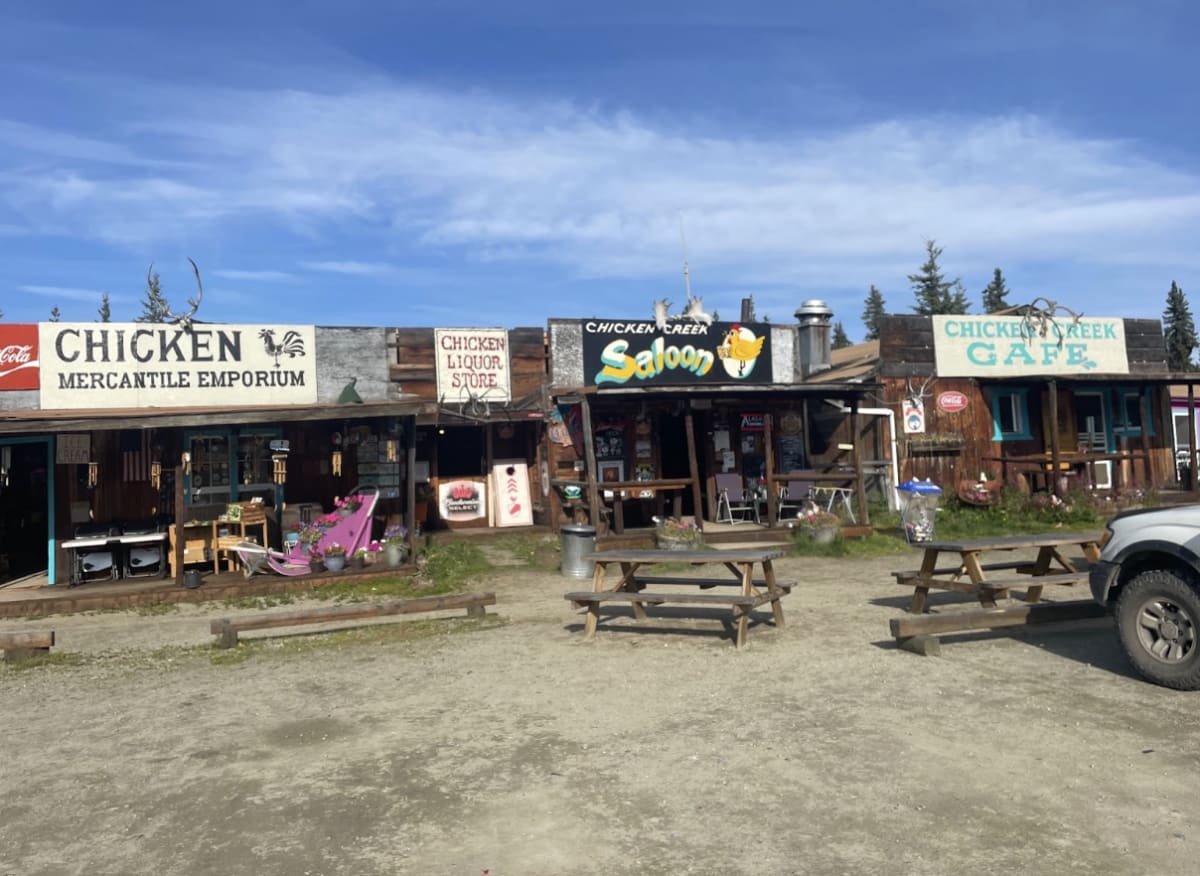

At the Chicken Creek Saloon, everything that crosses the border seems to gather. The bar is mentioned in many guidebooks, and even tour groups stop here. The reason becomes clear when you look at the ceiling - covered in fabric scraps suspiciously resembling women’s underwear.
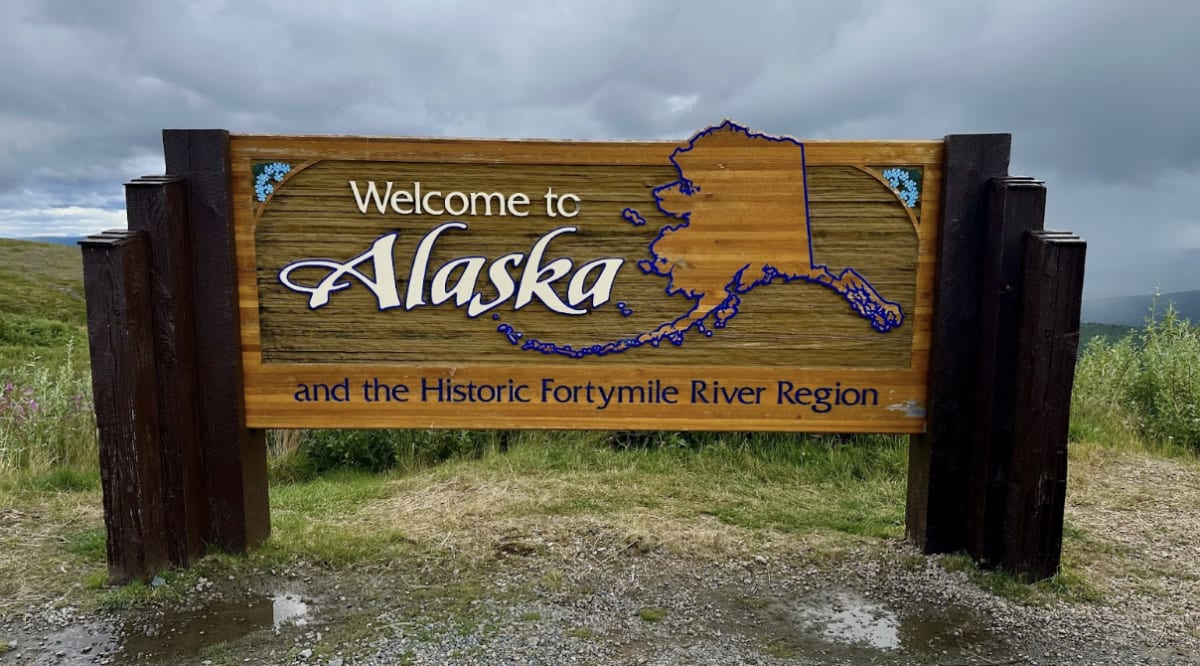
When a group of middle-aged American tourists arrives, the mystery is solved. The women wear underwear over their pants, the bartender grabs scissors, black powder, and a pipe, and the show begins. The underwear is cut off, stuffed with black powder, and later blown into the air in the parking lot—creating a rain of colorful confetti.
Welcome to Alaska. 😉
5.Wildlife Encounters
Alaska quickly shows its most beautiful side - especially through its wildlife.
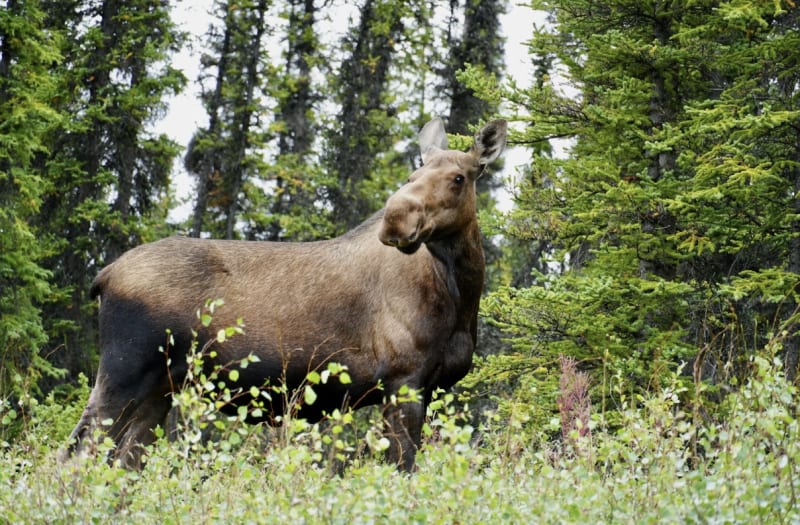
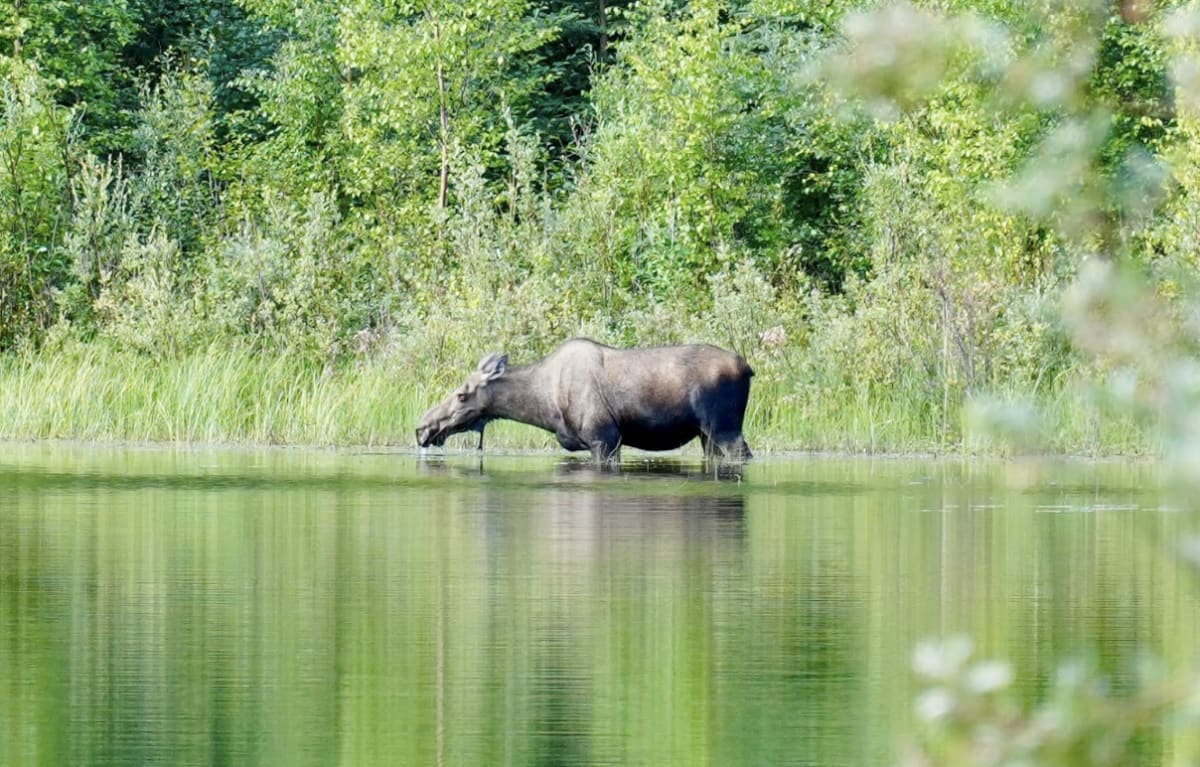
At a lakeside campsite near Tok, we woke up to a moose calmly grazing at our campsite before stepping into the lake to continue eating. And this would be far from our last wildlife encounter in the wild.
Fairbanks & Denali
Coming from the north, a stop in Fairbanks, Alaska’s second-largest city, is well worth it. Roughly the size of a small European town, it offers everything needed for a longer camping trip.
Distances in Alaska are enormous, so stocking up on supplies for several days is essential.
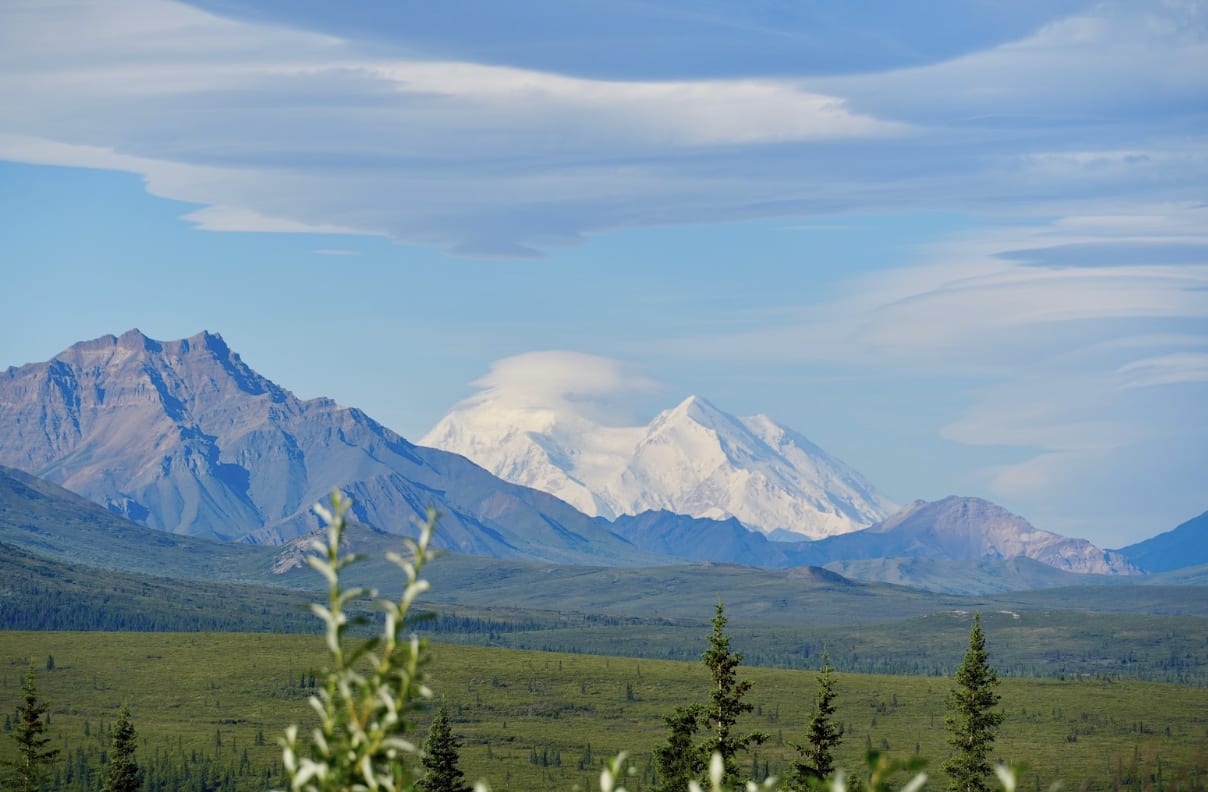
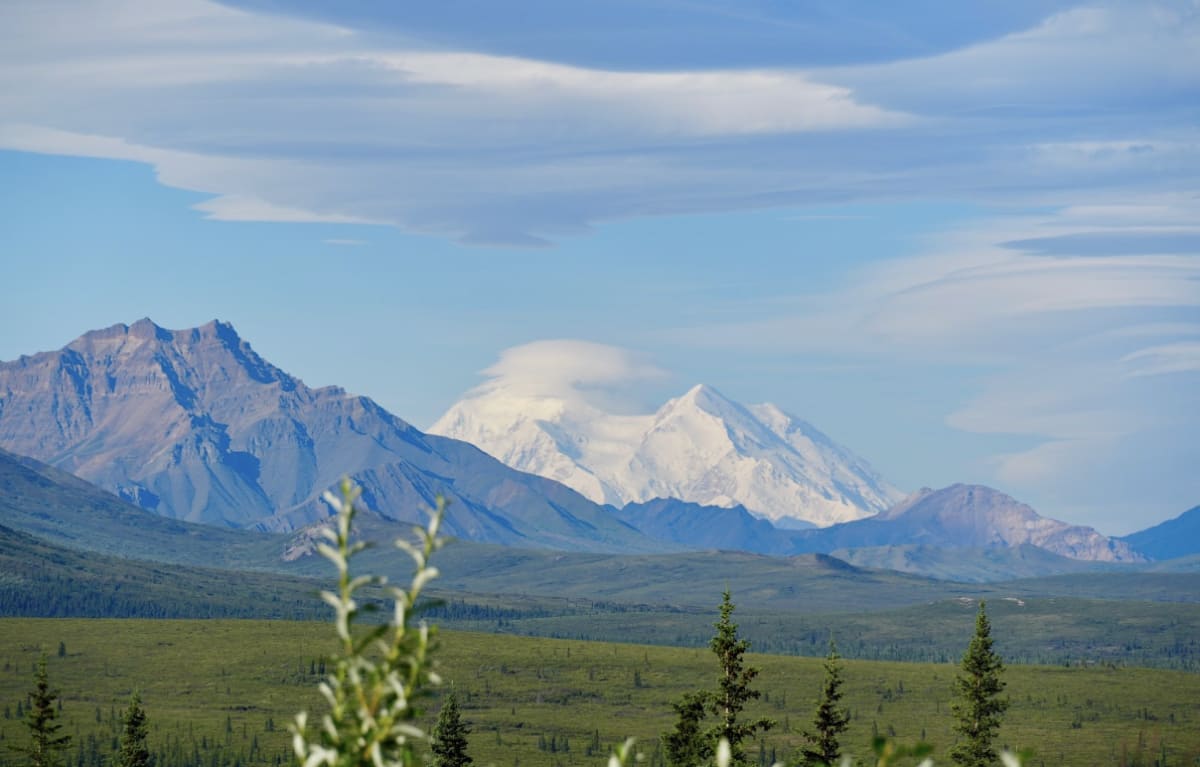
Nearby lies Denali, the highest mountain in the United States at over 6,000 meters (20,000 feet). Rising completely isolated into the sky, it is surrounded by a stunning national park with excellent hiking trails. The mountain itself is often hidden in clouds, but with luck, its snow-covered summit becomes visible.
Due to a landslide, only part of the park is currently accessible, meaning Denali is always viewed from a distance. Still, the park is well worth visiting, and the free shuttle system makes it easy.
To see Denali up close, head to Talkeetna, where scenic flights over the mountain are available—though they can be expensive. Mountaineering expeditions also start here but are only possible for highly experienced climbers with local guides. The town is quite touristy and known for its food trucks, especially during salmon season.
Kenai Peninsula & Turnagain Arm
Further south lies the Kenai Peninsula, reached via Anchorage, Alaska’s largest city, and the famous Turnagain Arm. This area is known for extreme tidal changes, beluga whales, quicksand, tidal bore waves, and very unreliable weather.
The Kenai Peninsula itself is incredibly diverse. Beyond the famous Kenai Fjords, it offers countless lakes, rivers, and forests—making it a paradise for anglers.
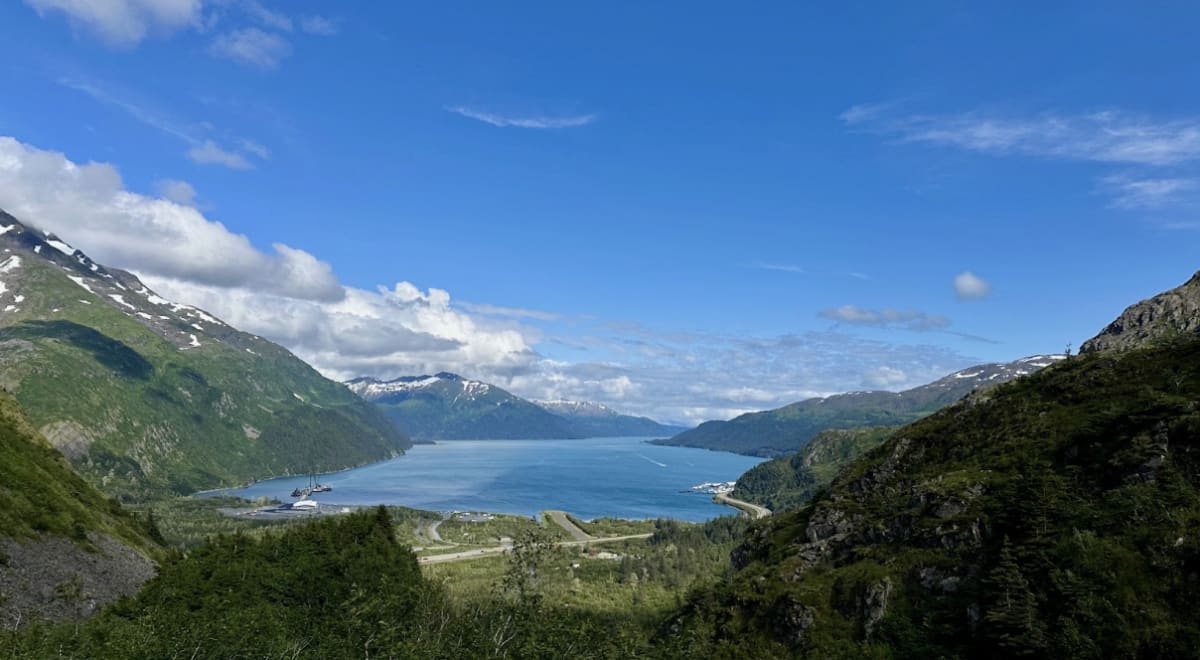
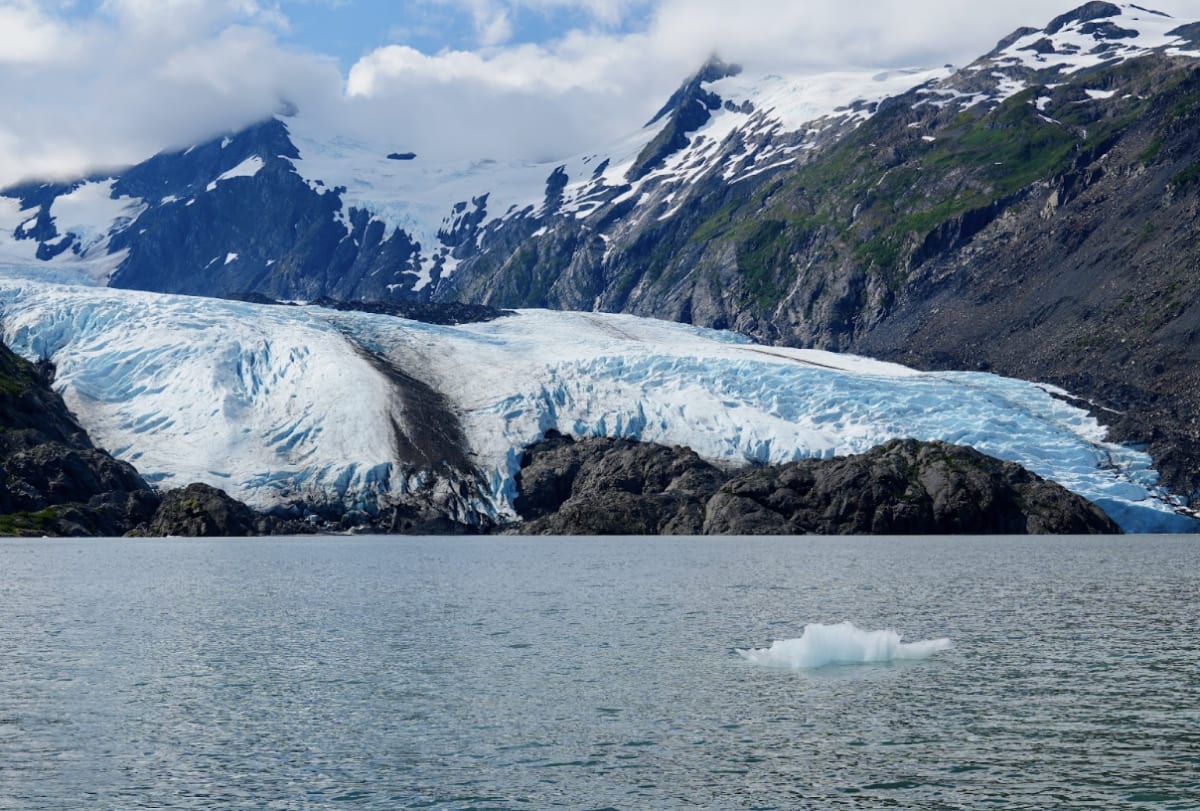
A particular highlight for hikers is Portage Glacier near Whittier, where the glacier reaches directly into a lake that still holds icebergs even in summer. The hike is not strenuous and leads through stunning scenery. Alternatively, boat tours are available.
To reach Whittier, you must drive through a railway tunnel that opens to cars only once per hour, allowing vehicles to drive directly on the tracks into the small fishing town.
Volcanoes, Coastlines & Homer
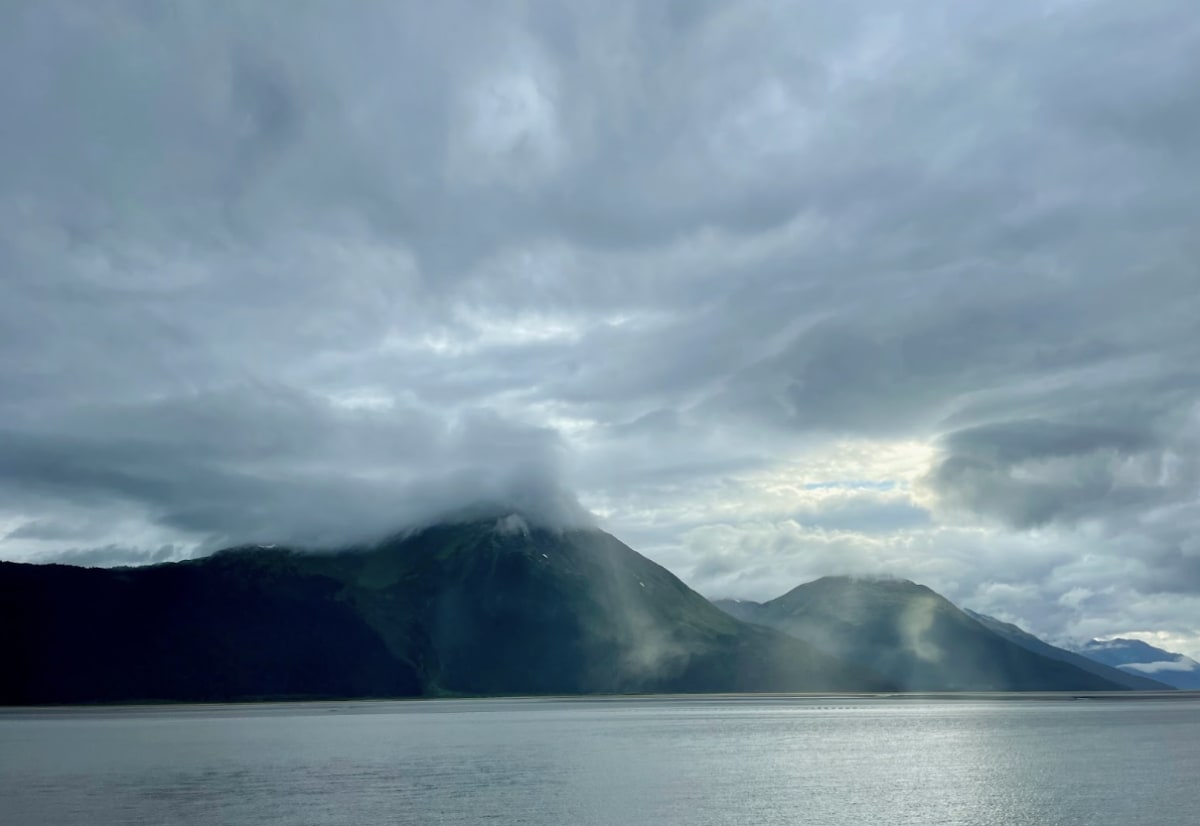
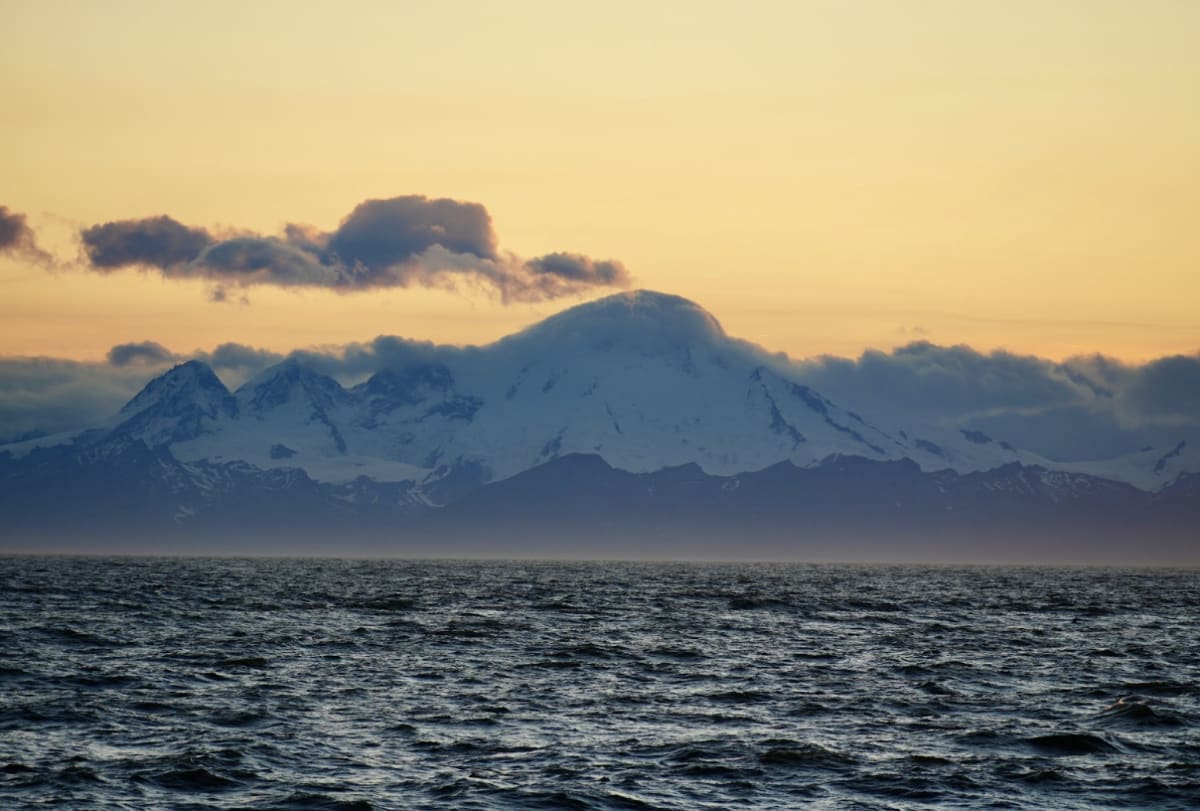
On the other side of the peninsula, the road follows Cook Inlet, where the Pacific Ring of Fire begins. Massive volcanoes line the narrow sea passage for hundreds of kilometers, while across from them lie beautiful gravel-beach campsites. Above you circle seagulls and bald eagles; in the water, playful sea otters swim by.
Here, you truly reach the end of the world.
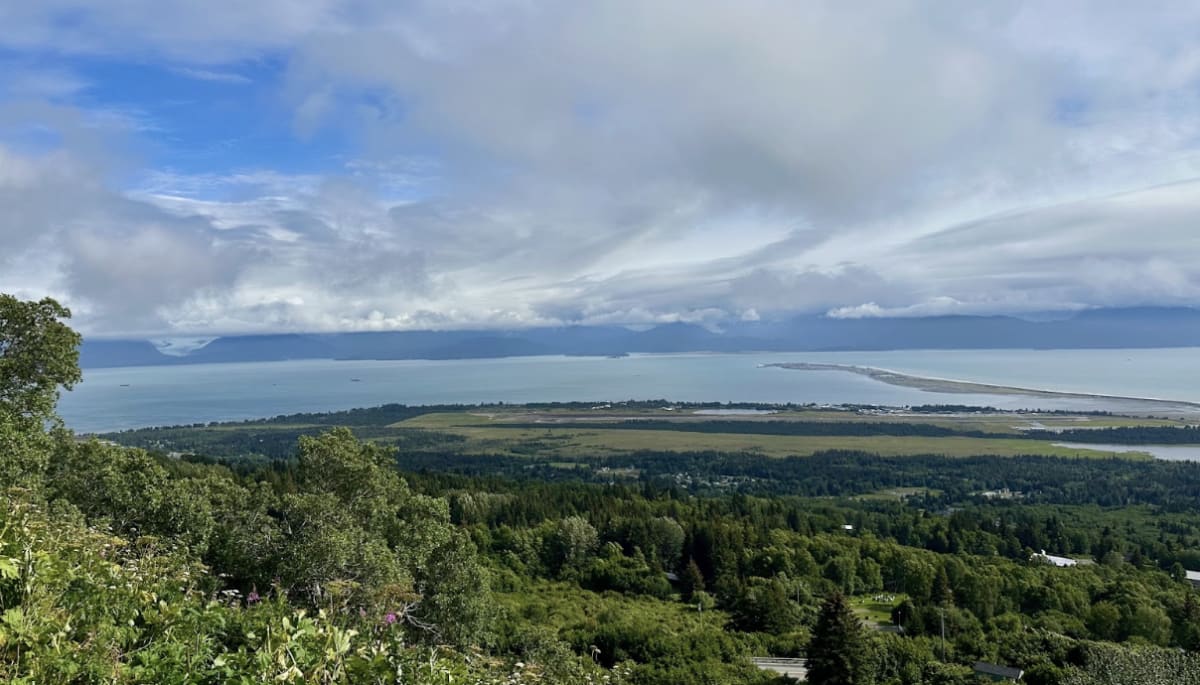
From Homer, at the southern tip of the Kenai Peninsula, sailing straight south would mean the next landmass after 16,000 km is Antarctica. This is literal Land’s End.
Homer is also home to the Homer Spit, a narrow strip of land extending into the rough Bering Sea. Fans of TV documentaries may recognize the area- this is where the crab fishing fleets depart, known as one of the most dangerous jobs in the world. We even had the rare chance to see the Time Bandit docked here.
If all that means nothing to you, you can still enjoy excellent - though expensive - king crab in the restaurants along the boardwalks, or opt for more affordable halibut fish and chips.
From Homer, at the southern tip of the Kenai Peninsula, sailing straight south would mean the next landmass after 16,000 km is Antarctica. This is literal Land’s End.
Homer is also home to the Homer Spit, a narrow strip of land extending into the rough Bering Sea. Fans of TV documentaries may recognize the area - this is where the crab fishing fleets depart, known as one of the most dangerous jobs in the world. We even had the rare chance to see the Time Bandit docked here.
If all that means nothing to you, you can still enjoy excellent - though expensive - king crab in the restaurants along the boardwalks, or opt for more affordable halibut fish and chips.
Fjords, Glaciers & Whales
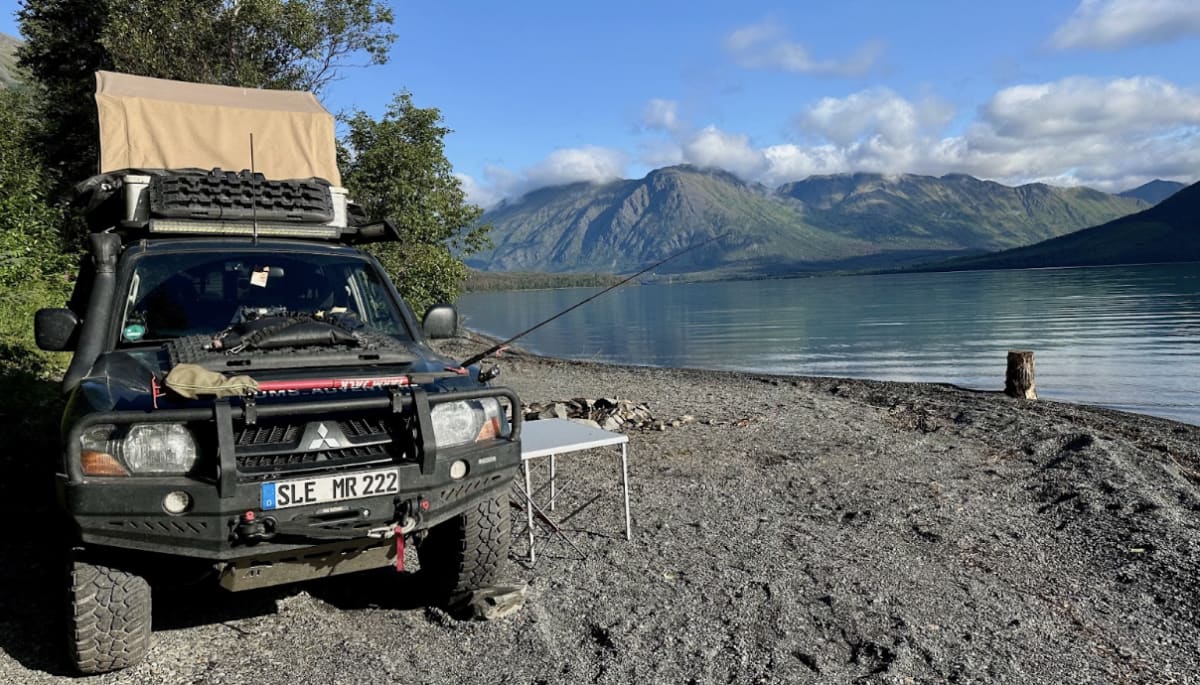
Because there are no coastal roads, leaving the peninsula means a long drive back inland. Water remains everywhere - salmon migrate in massive numbers up the Russian River, and Kenai Lake offers incredible campsites.
As the weather finally improves, it’s time to visit the Kenai Fjords. Most tours start in Seward, right at the fjords.
We boarded a boat into Resurrection Bay, where the captain told us this was only the second sunny day of the entire year—and it was already mid-August. “You have to be born for Alaska weather,” she said.
The tour revealed towering fjords, glaciers reaching into the sea, sea otters, puffins—and the absolute highlight: a humpback whale.
An unforgettable experience and worth every cent.
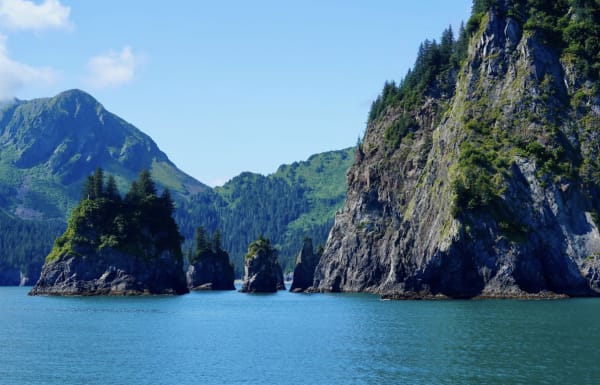
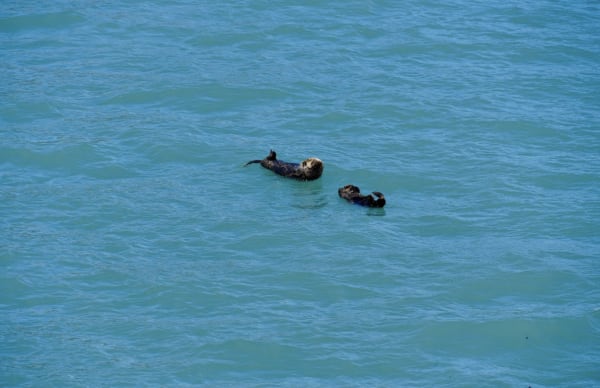
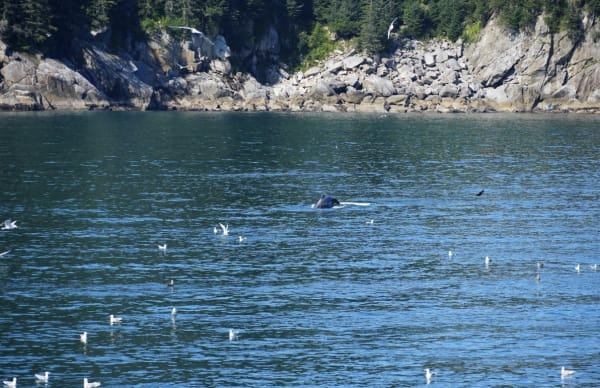
Eventually, even the most beautiful peninsula must be left behind. The journey continues to the Matanuska-Susitna Valley in the Alaska Range.
Here you’ll find excellent hiking routes like Hatcher Pass, and every August, the Alaska State Fair takes place in Palmer—a large fair with lumberjack shows, food trucks, and competitions for vegetables and farm animals. A unique experience, especially for families.
Further south, many parts of Alaska are only reachable by boat, plane, or via Canada—such as Hyder. At the right time of year, it offers a major highlight: salmon spawning in the river, which attracts grizzly bears in large numbers.
If you want to see wildlife, Alaska is the place to be.
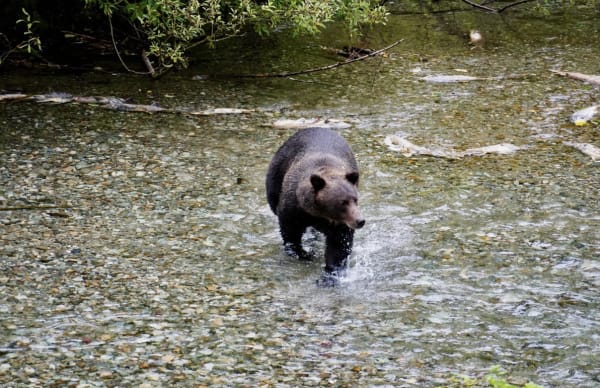

6.Camping & Overnight Spots
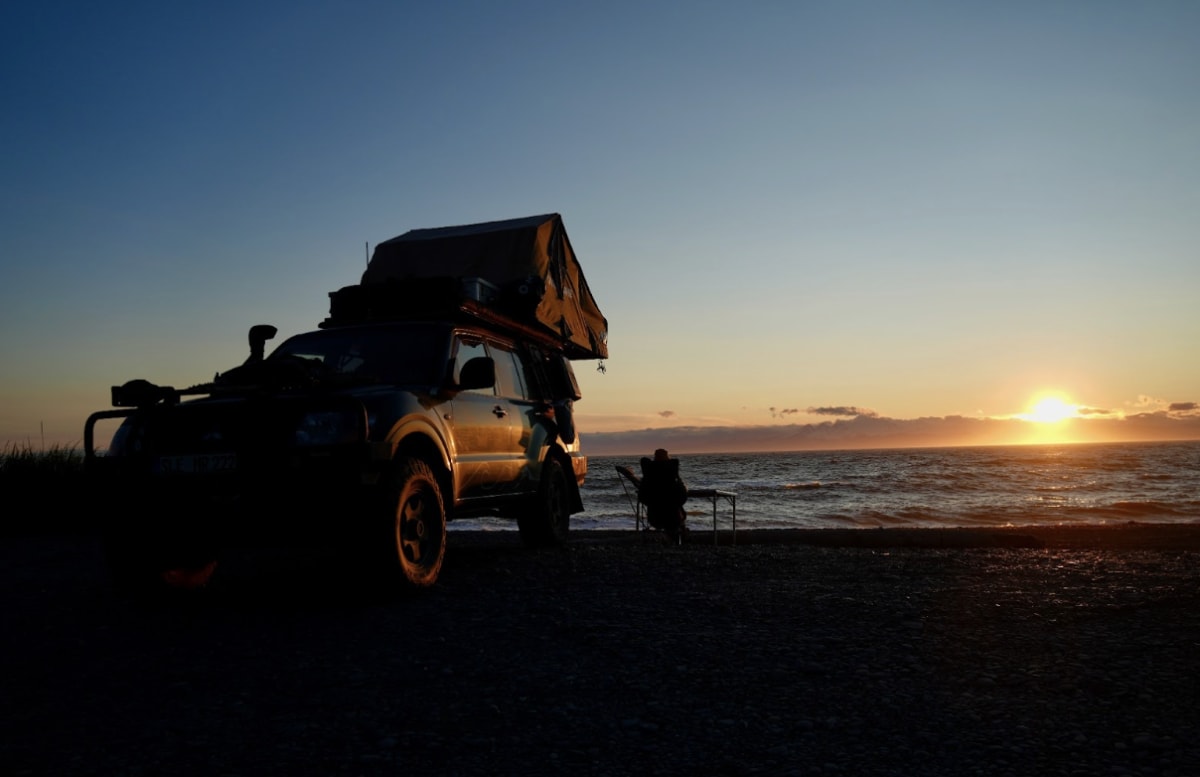
During nearly three weeks in Alaska, we didn’t spend a single dollar on accommodation.
Wild camping is easy and widely tolerated. Those who prefer more comfort will find many designated fishing spots with parking areas, toilets, and sometimes even fire pits—all free of charge. Some of our best campsites of the entire journey were here, often completely alone.
Fishing spots usually allow stays of up to seven nights. Wild camping is unregulated and commonly called “boondocking.”
Supplies are good in larger towns, but distances are long. Official campgrounds exist, but traveling without them works very well. The entire route through Alaska can be easily planned and followed in CampPilot, while many of the best wild camping and boondocking spots can be found using StayFree.
7.Supplies, Connectivity & Safety
Prices are relatively moderate compared to other U.S. states. Fuel - both diesel and gasoline - is especially cheap due to Alaska’s natural resources. However, some stations sell heating oil instead of regular diesel, so caution is advised.
Fuel in the U.S. is sold in gallons, and prices are displayed accordingly.
Food - especially imported goods - is expensive, but there is no sales tax, which balances things out. Spare parts availability depends on vehicle brand, but Anchorage and Fairbanks usually offer good options.
Mobile coverage is often poor. AT&T offers the best network, though at high prices.
There are very few dangers.
In mountains and remote areas, sudden weather changes and blocked roads are possible, especially in winter.
Wildlife attacks are extremely rare, but at popular fishing spots, some anglers carry firearms due to potential encounters with grizzlies competing for food.
Volcanic eruptions and earthquakes are also very rare.
Crime exists mainly in larger towns.
Overall, people are extremely friendly and helpful.
8.Conclusion
Alaska is not an easy destination - but that’s exactly what makes it extraordinary. Its scale, solitude, wildlife, and unpredictability demand respect, patience, and preparation. For overlanders, it is not just the northern start of the Pan-American Highway, but one of the most powerful and humbling travel experiences imaginable.
If you’re looking for untouched wilderness, real freedom, and moments that stay with you for a lifetime, Alaska delivers—every single time.