1.Overview
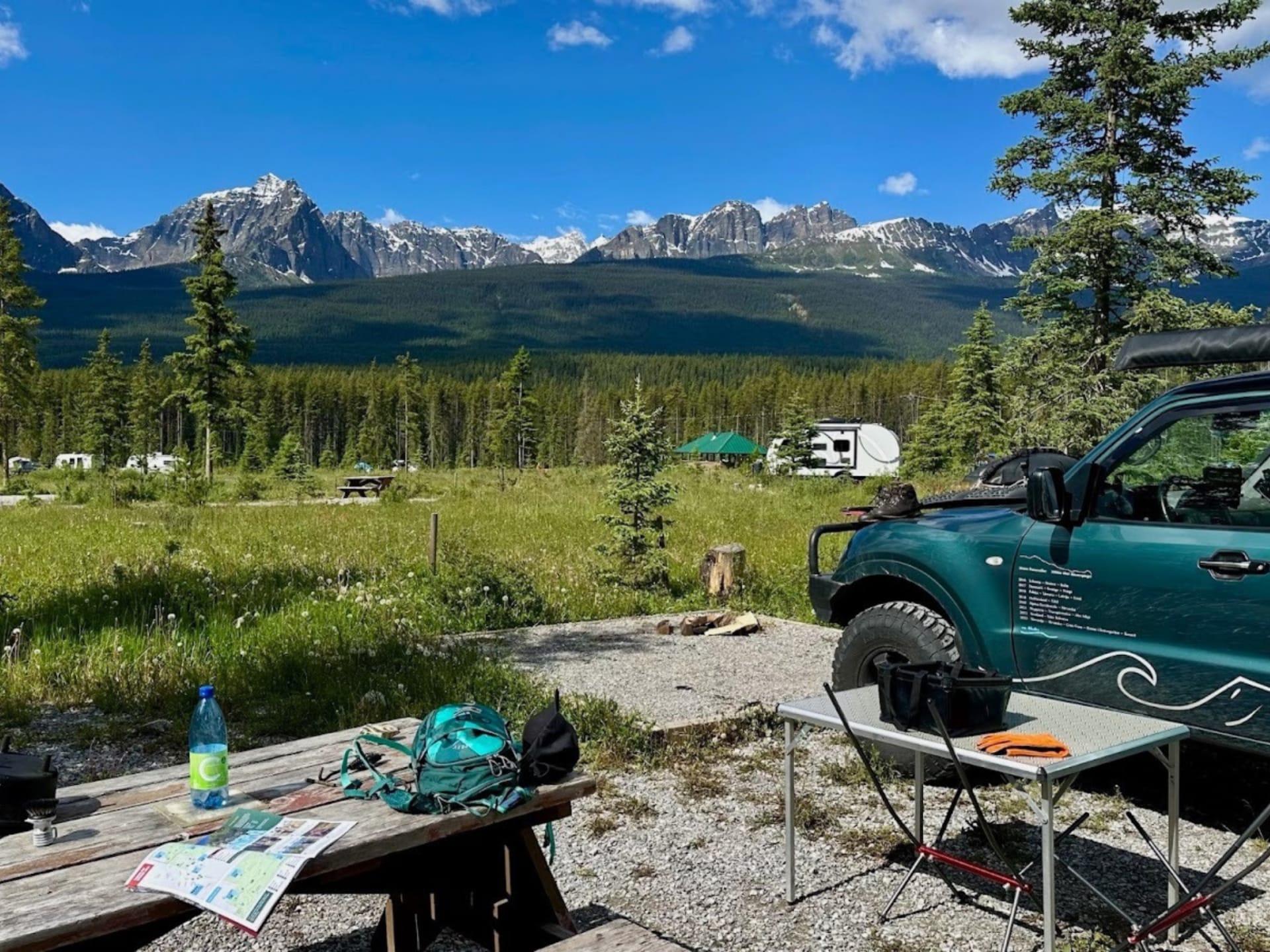
Canada is made for big road trips. It’s a country where distances are measured in days, not hours—where you can drive for hundreds of kilometres through forests, along endless lakes, or across wide-open plains and still feel like you’ve only scratched the surface. For camper and overland travelers, that sense of space is the real magic: you wake up by the water, spend the day on scenic highways, and end the evening under a sky full of stars.
This article was written by Recca from RumsAdventure .Together with her husband, she drove an extraordinary 14-month overlanding journey along the Pan-American Highway, traveling with their own vehicle from Canada all the way to Argentina.
2.Shipping Your Vehicle to Canada - Short Overview
If you want to explore Canada with your own vehicle, the first step is getting it across the Atlantic. Shipping a car to Canada is a well-established and relatively straightforward process, thanks to specialized overlander shipping companies.
There are two main transport options: RoRo (Roll-on/Roll-off) and container shipping. With RoRo, your drivable vehicle is driven directly onto the ship and unloaded at the destination port. This is usually the most affordable option and commonly used for routes from Europe to North America. Typical departure ports are Hamburg or Antwerp, while Halifax (Canada) is one of the most popular arrival ports for overlanders. The sea crossing from Europe to Halifax takes around 11 days.
Container shipping is more flexible and secure, as the vehicle is sealed inside a container. It’s often chosen for larger vehicles or when shipping multiple cars together to split costs. While container shipping is more expensive, it offers extra protection and peace of mind.
Professional shipping agents handle customs clearance, paperwork and port procedures on both sides. As a vehicle owner, you mainly need to provide documents such as your registration, passport and insurance. An additional marine transport insurance is strongly recommended to cover potential damage or rare incidents at sea.
3.Entry & Formalities
Canada’s formal entry requirements are straightforward. A valid passport is mandatory. If you fly into Canada, you’ll also need an eTA (Electronic Travel Authorization), which you apply for online. It usually takes only a few minutes and costs around €5.
For your vehicle, you’ll need the registration document, valid third-party liability insurance (often arranged through providers such as Intersecure), and a driving licence (an international driving permit is recommended). German citizens can stay visa-free for up to 180 days, as long as there are no relevant prior convictions.
The TIP (Temporary Import Permit) for the vehicle is issued by customs before you collect the car. It is also valid for 180 days—after that, the vehicle must leave Canada. During this period, the vehicle may not be sold or scrapped.
4.Route Planning
Canada is the second-largest country in the world, but only around 20–30% of its territory is actually accessible by road. That makes route planning both flexible and defined by huge distances. The Trans-Canada Highway, stretching from east to west, is in excellent condition and is the backbone for crossing the country.
Major scenic highlights include the Rocky Mountains with Banff and Jasper National Parks, as well as the legendary Dempster Highway, which runs all the way to Tuktoyaktuk on the Arctic coast. The Alaska Highway, Dawson City, and Vancouver Island are also classic highlights on many itineraries.
5.Our Canada Route (Starting in Nova Scotia)
Our own Canada journey begins in Halifax, Nova Scotia—and nearby you’ll immediately find one of the country’s natural wonders: the Bay of Fundy, home to the highest tides in the world. The difference between low and high tide can reach around 12 metres, and at low tide you can literally walk across the ocean floor. Small towns like Lunenburg feel like postcard-perfect fishing villages - colourful, charming, and full of lighthouses on every corner.
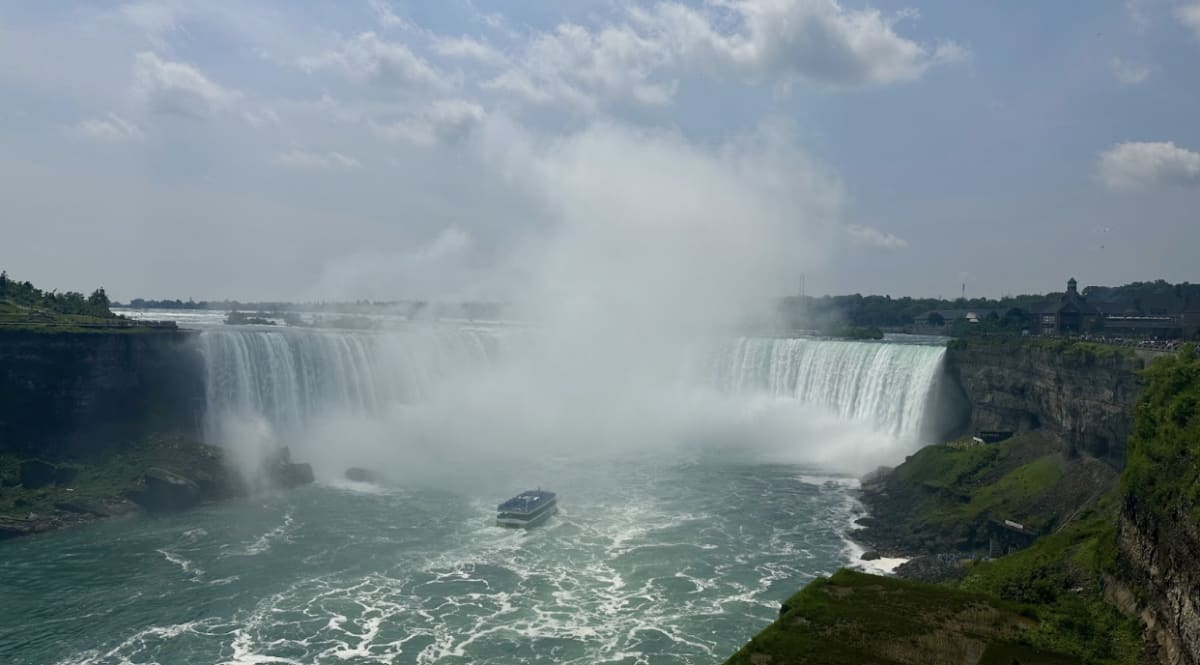
In Canadian terms, “close by” can still mean a serious drive—but there’s another record-breaker you shouldn’t miss: Niagara Falls. The sheer volume of water crashing down is unforgettable, and there are countless ways to experience it.
One important warning: if you cross into the USA here, you activate your US visa/ESTA clock. From that point, depending on your status, you may only have 90 or 180 days until you must leave the USA again. Exiting to Canada does not “pause” that clock—it keeps running. Keep that in mind while planning, or simply stay on the (many would say) more beautiful Canadian side.
What Canada Feels Like on the Road
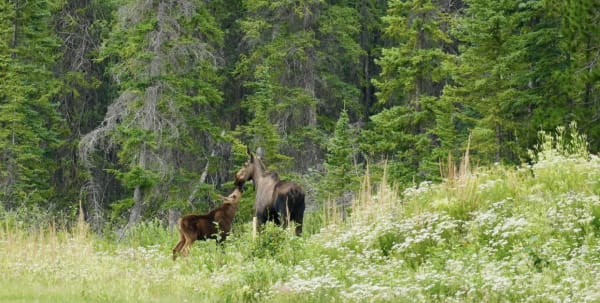
Canada impresses most with its unbelievable sense of space. Nature is everywhere - often for hundreds of kilometres at a time - and wildlife encounters with moose, black bears, bison, or wolves are part of everyday life in many regions. Add endless lakes and forests and the game “I spy” can become… very one-sided. Still, it’s breathtaking, because so much of the landscape feels untouched by humans.
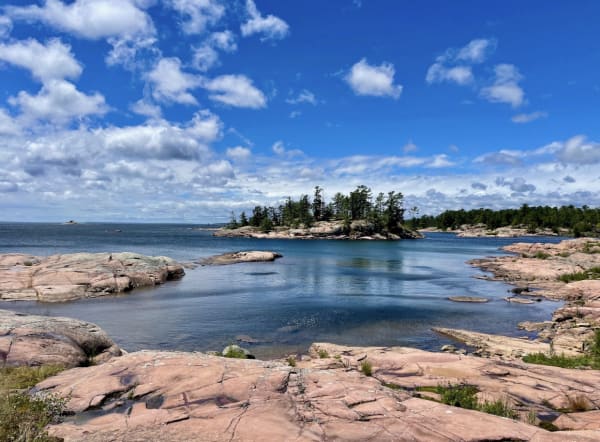
Along the Great Lakes near the US border you can stare at open water for hours - and it somehow never gets boring. Overnight spots are everywhere, and very often they’re right by the lake - especially dreamy in summer.
Planning for Long Distances
Distances of 300 kilometres or more to the next town or fuel station are not unusual, so planning ahead really matters. Bringing long-life food - or having a fridge - makes life easier. The good news: supermarkets are extremely well stocked, and you’ll find basically everything you could need.
Canada is also one of the friendliest countries to travel through. People are helpful, and you never feel uncomfortable asking for directions or support.
The Rockies: Banff, Jasper & the Icefields Parkway
If you keep heading west, you’ll eventually reach Banff National Park - one of the oldest national parks in the world and the oldest in Canada. Together with Yoho, Kootenay, and the equally famous Jasper National Park, it forms a spectacular hiking region.
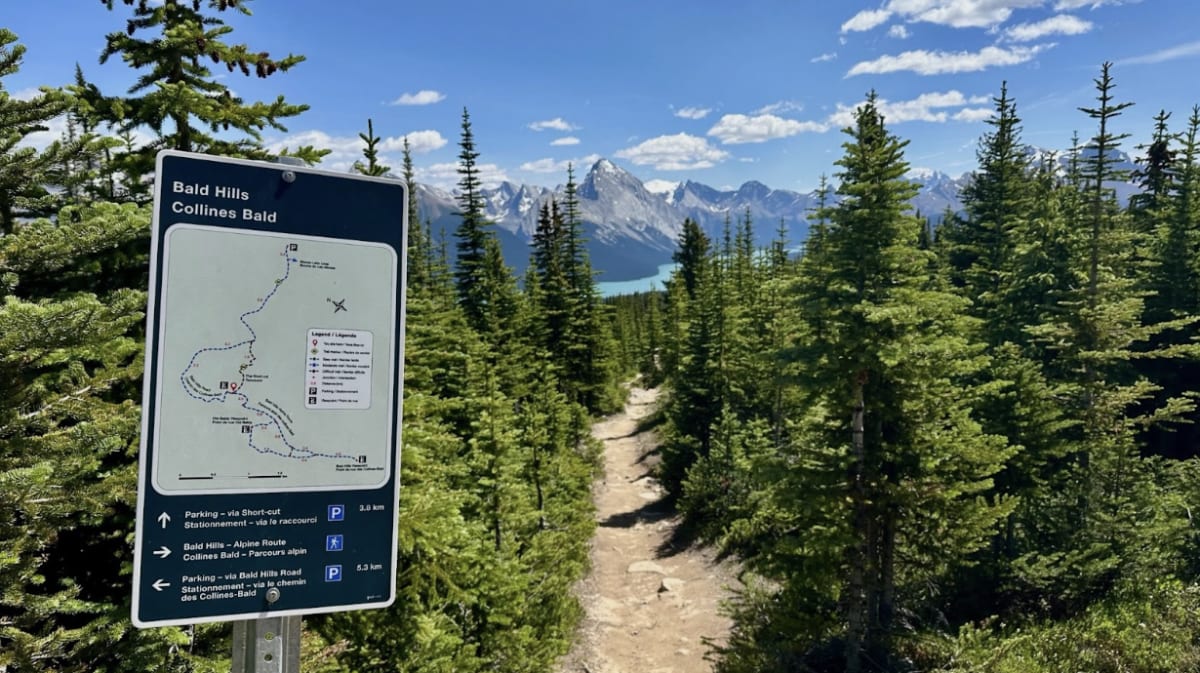
You should plan at least one week in the parks - two if you love long hikes. Even if you’re not a hardcore hiker, the 230-kilometre Icefields Parkway is almost guaranteed to be a highlight: snowy peaks towering over dense forests, waterfalls, and crystal-clear mountain lakes. It’s a paradise for anyone who loves mountains.
Into the North: Alaska Highway, Yukon & Dawson City
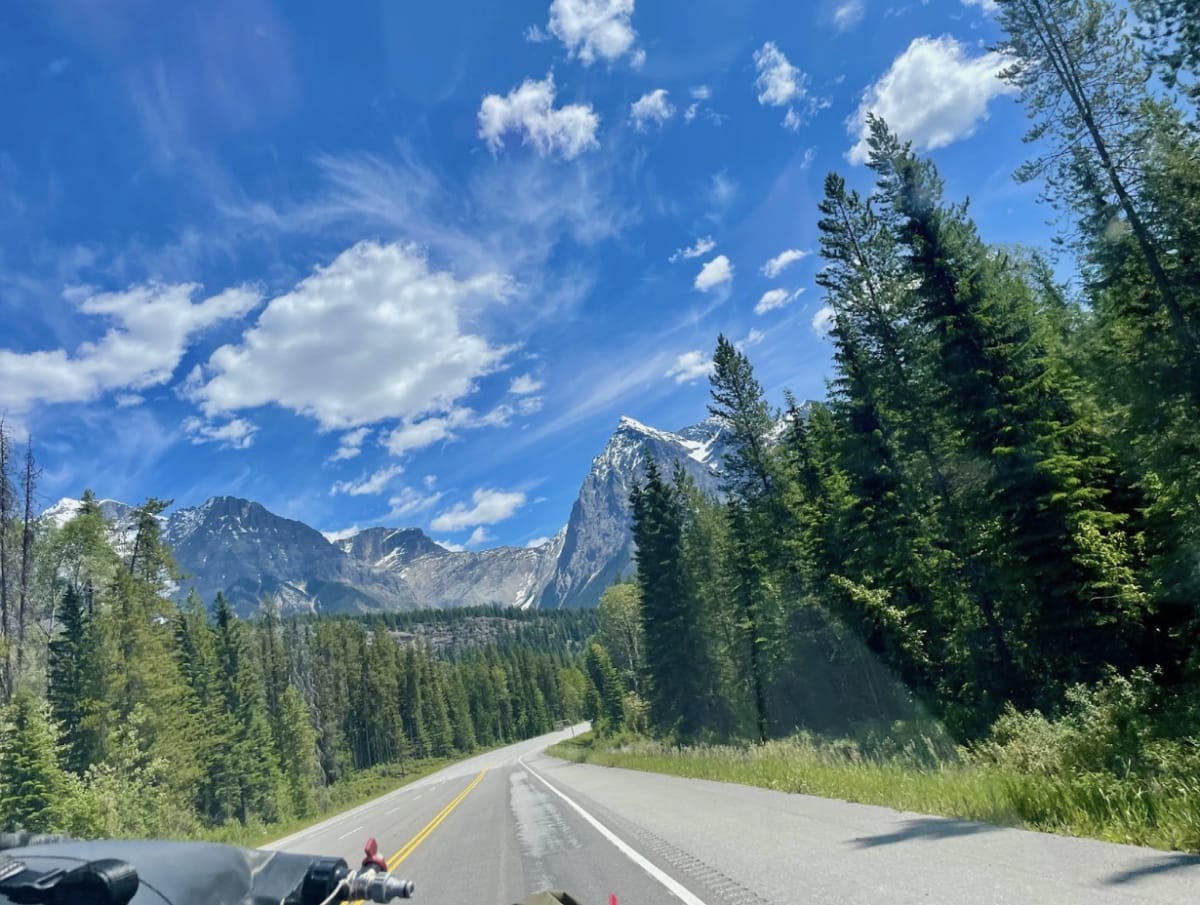
Canada’s far north is just as fascinating. If you leave the national parks and head north, you’ll likely find yourself on the Alaska Highway, starting in Dawson Creek. From here, the true vastness of Canada begins. Along the route you’ll find incredible stops, including Liard Hot Springs, where water temperatures can reach up to 54°C.
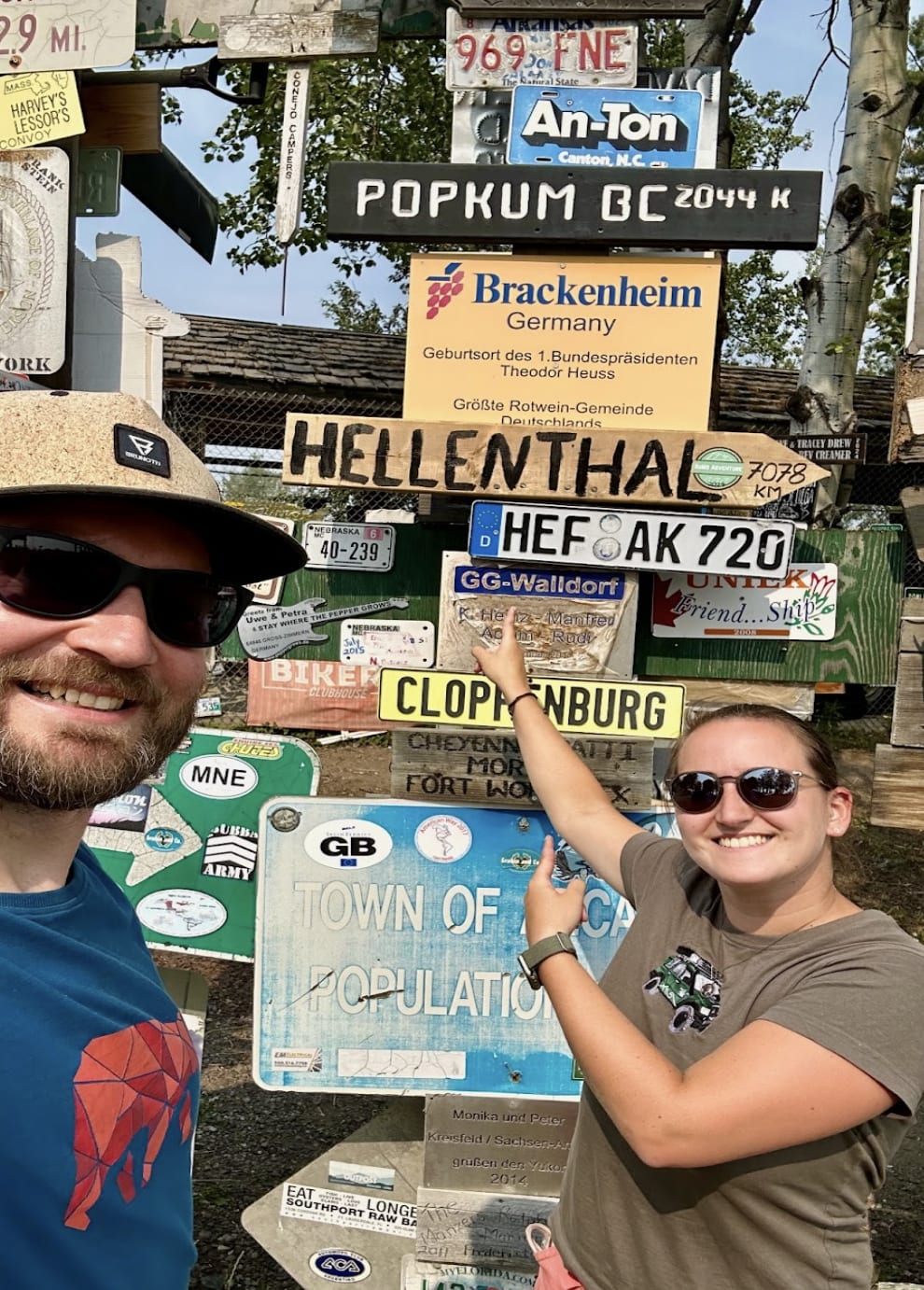
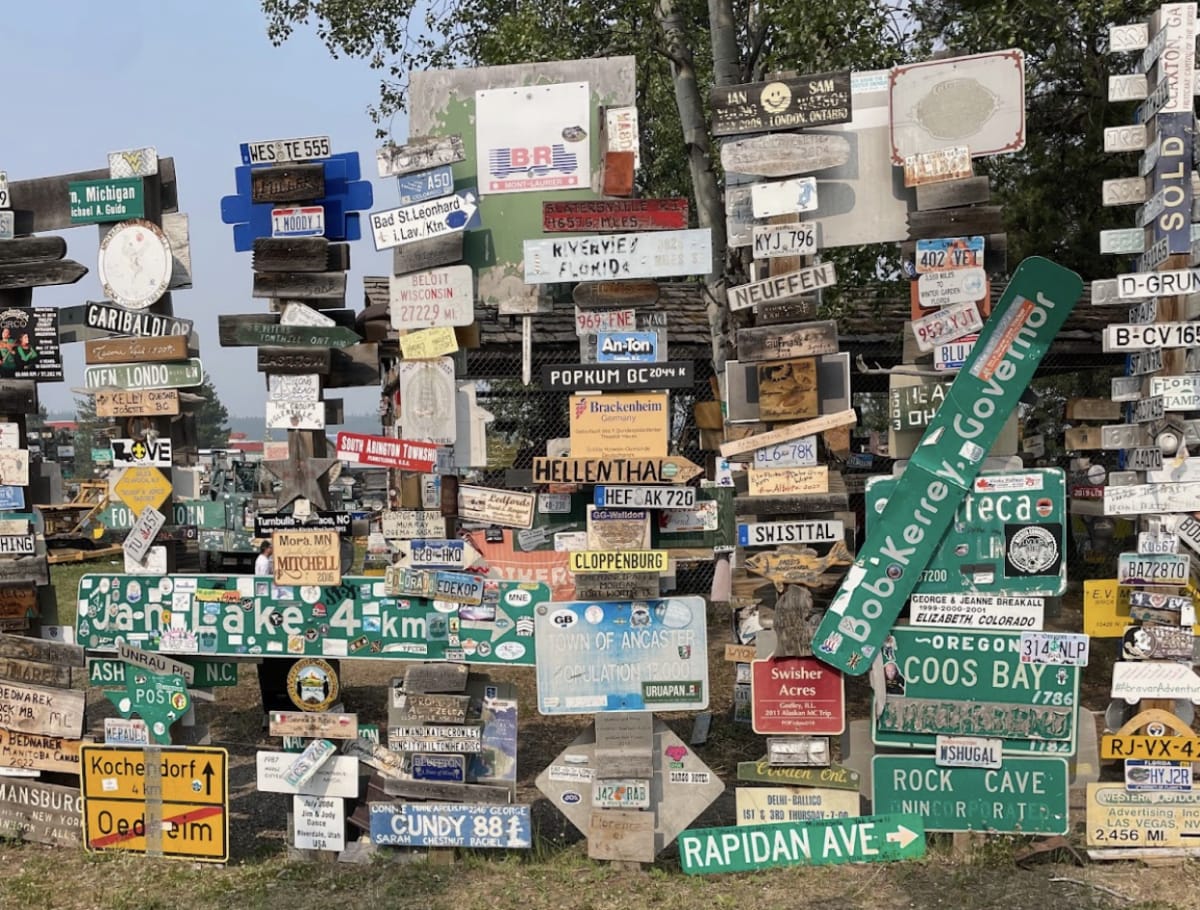
Many other highlights - like the Sign Post Forest in Watson Lake - are free and uniquely memorable. What started over 100 years ago with one homesick soldier is now a collection of more than 100,000 signs from around the world. The visitor centre even provides paint and brushes so you can create your own sign. It’s one of those experiences you simply shouldn’t skip.
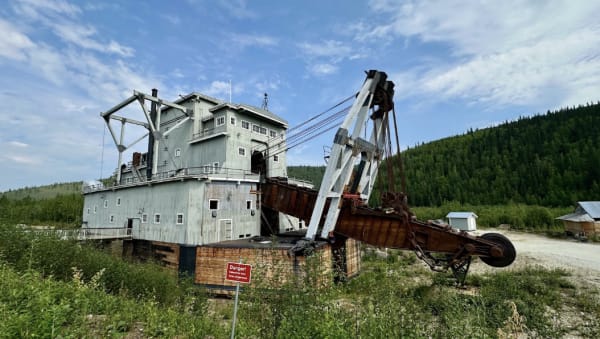
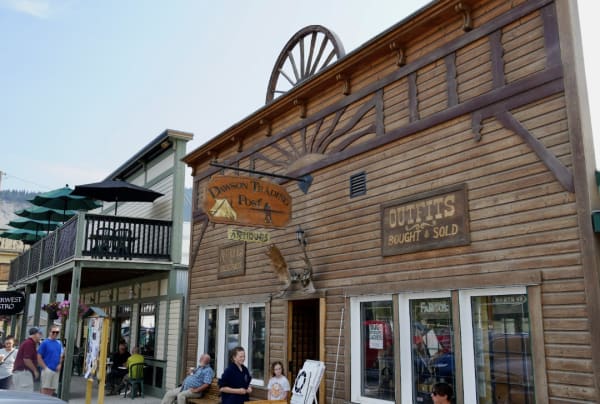
By now, we’ve reached the Yukon Territory - a region that was shaped above all by the gold rush and settled by prospectors at the end of the 19th century. Even today, places like Dawson City feel as if time has stood still. Walking through town is like stepping straight into the year 1898 or onto the set of a classic Wild West movie.
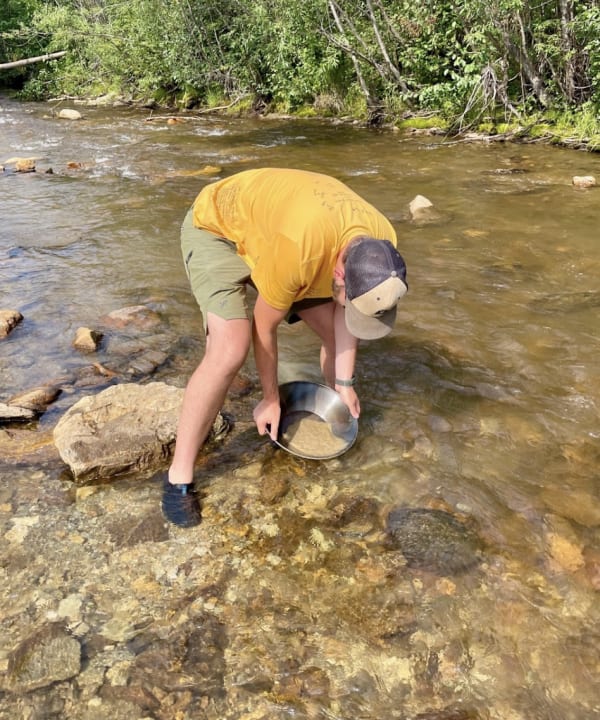
Colorful wooden buildings that once housed saloons and gold miners are now home to souvenir shops, restaurants, and small museums. And experiences are never far away here. Along a small creek, you can still try your luck at gold panning yourself. The necessary equipment can even be borrowed for free from the local tourist information center — and we struck gold almost immediately!
It’s an unforgettable experience and one you definitely shouldn’t miss when traveling through the Yukon.
Dempster Highway to the Arctic Ocean
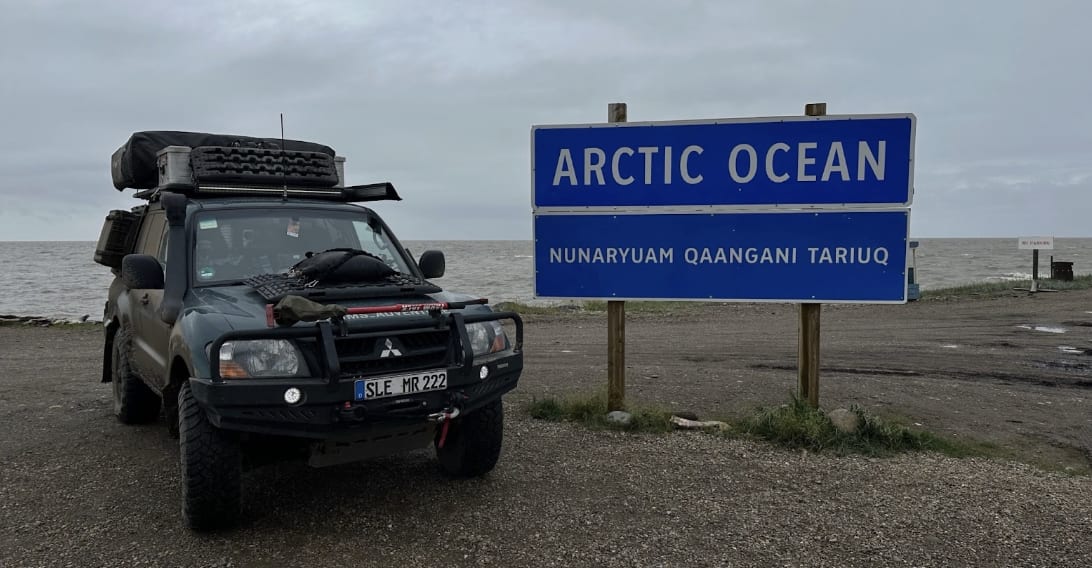
In Dawson City, the Dempster Highway begins: around 800 kilometres of gravel road with one goal - the Arctic Ocean. Before you leave, stock up on supplies, because once you’re on the Dempster, it’s 800 km of pure wilderness.
Road signs even mention that grizzly hunting may be permitted with approval from First Nations leadership - so it’s better not to test your luck. At some point you’ll cross the Arctic Circle, and in summer it no longer gets dark. Long polar evenings and cooler temperatures make driving pleasant - although the constant gravel vibration can be intense. It shakes so much that a screw on our roof rack actually came loose, so it’s smart to check your vehicle regularly.
After about 2–3 days you reach Tuktoyaktuk on the Arctic Ocean. Beyond that: only sea - and polar bears. Most people here are Inuit, and some still practise traditional fishing and food preparation. Out of respect for local culture, swimming in the Arctic Ocean is only allowed in certain areas.
South Again: Alaska, Vancouver & Vancouver Island
After a detour into Alaska, you can head south again - but don’t underestimate the distances. What looks “close” on the map often means several days of driving. From the Alaska border to Vancouver is roughly 2,700 km - about the same as driving from Lisbon to Warsaw in Europe.
If you love cities, explore Vancouver.
If you prefer nature, take the ferry to Vancouver Island. Despite being comparatively small, the island is packed with highlights: rainforests, Pacific beaches, orcas, whale watching, bears, cougars, hiking trails, mountains, waterfalls, rivers and lakes. There’s truly something for everyone. From Victoria, you can also enter the USA by ferry - often far more relaxed than a busy land border.
6.Camping
Canada’s camping and overnight infrastructure is excellent. It’s a true camping country, and the network of campgrounds and RV parks is extensive. RV parks are comfortable but often expensive.
In national parks, there are many campgrounds at comparatively affordable prices - usually around €13-€22 per night - but facilities can be basic (often pit toilets and no showers).
Canadian campsites feel very different from European ones: pitches are large, often separated by trees, frequently located near lakes, and almost always include a fire pit and picnic table.
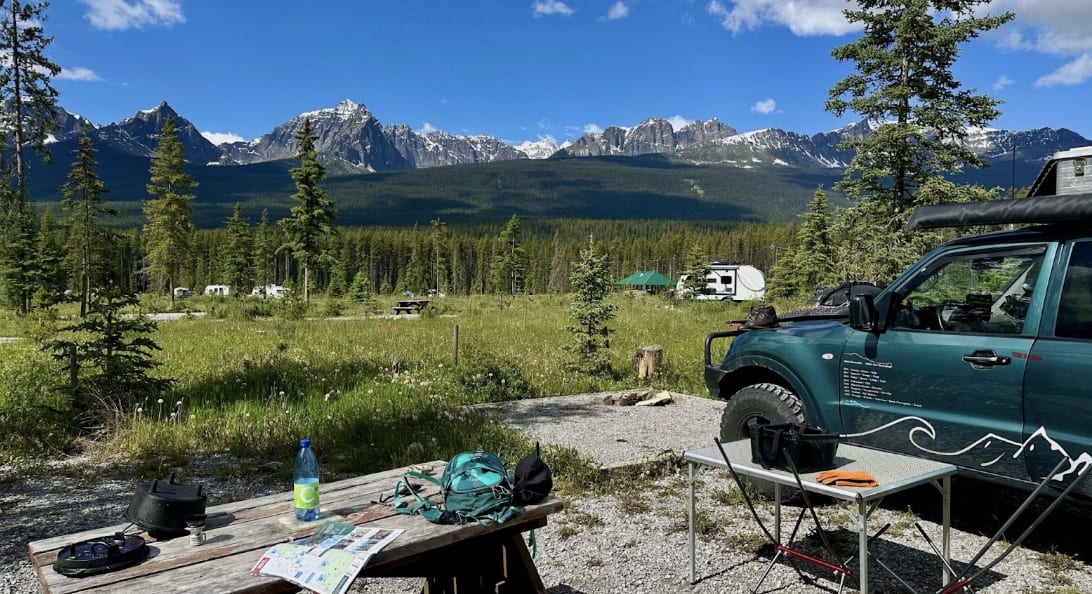
Wild Camping: One of Canada’s Biggest Advantages
One of the best parts of travelling in Canada is how accessible wild-style camping can be. On so-called Crown land (public land), camping is generally allowed—except in national parks, provincial parks, and First Nations territories.
Apps like CampPilot, StayFree or even Google Maps can help you identify these areas. In provinces such as British Columbia, you’ll also find many Recreation Sites: simple campground-style areas that are completely free and sometimes even have toilets. Stays are sometimes limited (often up to 14 days).
That’s why Canada is considered one of the best countries in the world for vanlife and wild camping—provided you follow Leave No Trace principles. Campfires are usually allowed unless wildfire risk is high.
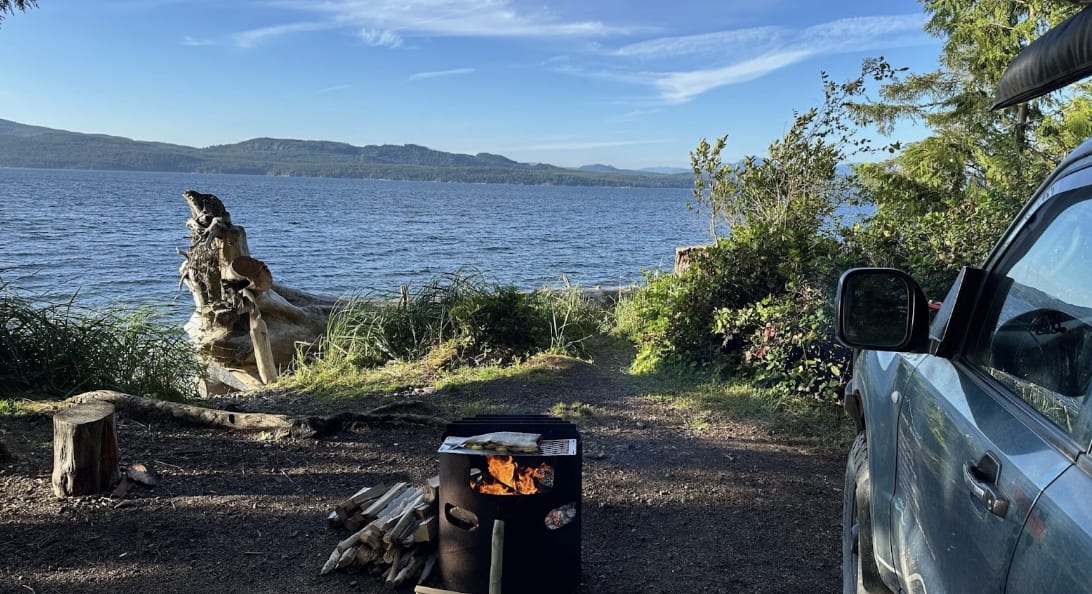
7.Supply & Disposal (Water, Dumping, Shopping, Gas)
Canada’s supply and disposal infrastructure is very well developed. Many RV parks and larger campgrounds have dump stations, and you can often use them if you ask politely. In some places, dump stations are also available at rest areas. Fresh water can be found at many fuel stations - though it’s often strongly chlorinated, so a filter can help with taste.
Supermarkets are easy to find in most larger towns, especially Walmart, where you can buy everything from food and medicine to tyres. Gas supply is also well organised, and chains like Canadian Tire are key stops for overlanders.
8.Internet & Connectivity
Canada can be challenging when it comes to internet and communication. Outside major cities, mobile coverage is often limited or completely unavailable. Providers like Lucky Mobile are easy to set up and offer decent baseline coverage. Reliable Wi-Fi is commonly available in cafés and visitor centres.
If you’re planning long periods far from civilisation, Starlink (or a similar satellite setup) is strongly recommended. In general: whenever you do have signal, download maps, save documents, and store important information offline.
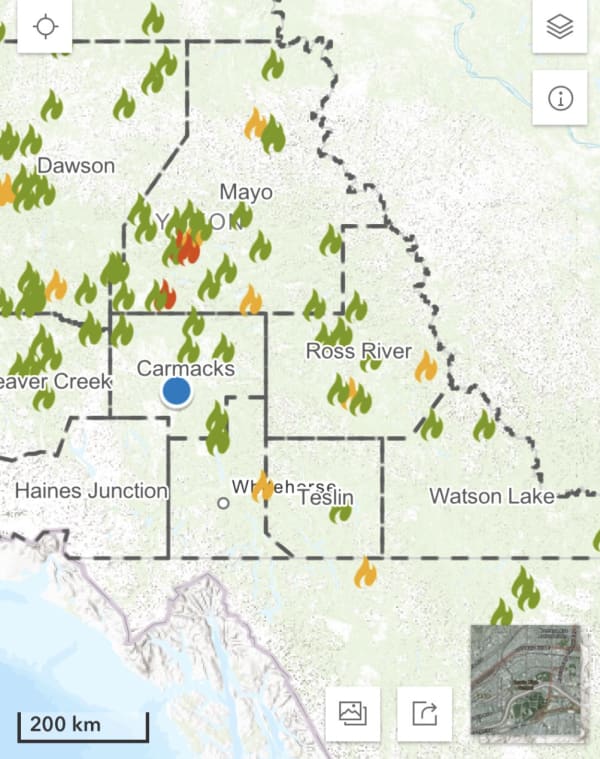
Especially during summer wildfire season, occasional internet access is crucial, as apps like BC Wildfire Service provide real-time fire updates.
9.Costs & Safety
Canada is an expensive travel destination overall. Grocery prices are often around 25–40% higher than in Germany, especially for imported items like fruit, vegetables, or cheese. Diesel typically ranges between €1.60 and €2.20 per litre depending on the region - and the more remote the area, the higher the prices.
On the upside, there are no toll roads, and ferry routes are usually reasonably priced. A national park pass for around €100 is valid for a full year, covering one vehicle and all passengers. By wild camping frequently, you can reduce overall costs significantly, and many sights, museums, and activities are affordable - or even free.
Services & Repairs
Canada is also very well set up in terms of services. Laundromats - often combined with showers - are common, partly due to long-distance trucking. Water is widely available thanks to Canada’s huge freshwater resources. In larger towns, supplies and repairs are generally easy to organise.
Chains like Canadian Tire run their own workshops and can source parts. The main challenge can be European vehicles that were never officially sold in Canada - they may not appear in standard systems. In those cases, smaller independent garages are often more flexible and solution-oriented.
10.Safety
Canada is considered one of the safest countries in the world. Crime rates are low, and natural disasters are rare - apart from regional wildfires, which rarely cause personal harm. In cities, pickpocketing can occur occasionally, but overall most travellers feel very safe.
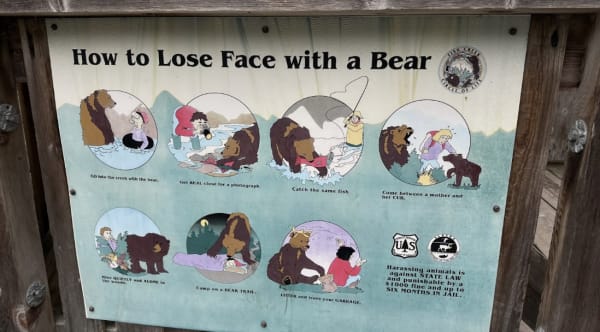
Wildlife risks are also often overestimated: attacks are extremely rare, and fatal incidents are exceptional. Healthcare is high-quality and widely accessible.
In larger cities, occasional pickpocketing can occur, but overall the sense of safety is very high. The risk posed by wildlife is often greatly overestimated - attacks are extremely rare, and fatal incidents are an absolute exception. Healthcare standards are excellent, and medical services are generally easy to access throughout the country.
11.Food & Cooking
Food supply is excellent and broadly similar to European standards. Imported specialties like Parmesan, olives, or tropical fruit are much more expensive, while staples are easy to find. Supermarkets are large and offer huge variety, while small specialist shops (like traditional butcher shops) are less common.
Eating out can be expensive, so cooking for yourself is often the smarter option- cheaper, and also more practical on long trips. Many products are sold in long-lasting packaging (vacuum-sealed, dried, or frozen), which makes it easy to shop for several days at a time.
12.Conclusion - Camping in Canada
What makes camping here so special is the setting. Campsites are rarely squeezed together or fenced in. Instead, you’ll sleep between tall pine trees, beside turquoise lakes, along rivers, or with mountain peaks right outside your door. Even basic campsites often come with fire pits, picnic tables and direct access to nature — things that are considered luxuries elsewhere.
At the same time, Canada is extremely camper-friendly when it comes to services. Dump stations, water points and RV parks are widely available, and supplies are easy to find in almost every town. The balance between organised camping and legal wild camping means you can mix comfort with adventure, staying on campsites when you need amenities and heading into nature when you crave solitude.
The key to enjoying camping in Canada is respect: for wildlife, for fire regulations, and for the “Leave No Trace” principle. Those who travel responsibly are rewarded with experiences that feel truly wild and personal — quiet mornings by misty lakes, crackling campfires under endless stars, and a feeling of freedom that is increasingly rare.