1.Overview
Only a few countries in the world are as perfectly designed for road trips as the United States. This is a place where roads are more than just connections - they are experiences in themselves. Endless highways cut through deserts, forests, mountains, and coastlines, linking some of the most iconic landscapes on Earth. One day you’re driving past snow-capped peaks, the next through red rock canyons, volcanic plains, or along dramatic ocean cliffs. Distances are measured in days rather than hours, and the journey often becomes more memorable than the destination itself.
Legal free camping, countless public lands, and an unmatched network of scenic routes make it easy to explore at your own pace - whether you’re chasing national parks, remote desert tracks, or legendary highways like Route 66 and Highway 1.
This article was written by Rebecca from RumsAdventure , who, together with her husband, traveled the Pan-American Highway during a 14-month overland journey from Canada to Argentina. Rebecca was using CampPilot on her trip, finding spots to overnight, planning next stops and finding attractions on the route.
2.Arrival in the USA - How to Start Your Road Trip
There are two main ways to begin a road trip through the United States: flying in and renting or purchasing a vehicle, or arriving with your own vehicle after shipping it to North America.
Flying into the USA is the easiest option for many travelers. Major international airports such as New York, Los Angeles, San Francisco, Miami or Seattle offer excellent connections and easy access to rental cars, campervans or RVs. One-way rentals are common, making cross-country routes simple to plan. For longer stays, some travelers choose to buy and later resell a vehicle locally.
Overlanders and Panamericana travelers usually arrive via Canada, as shipping vehicles from Europe to Halifax is often more affordable and straightforward. From there, entering the USA by land is generally uncomplicated, provided you have the required documents and your vehicle is imported temporarily for tourism only.
Crossing from Canada into the USA marks the start of one of the most iconic road trip destinations in the world — a country designed for driving, freedom, and long-distance exploration.
3.Entry & Formalities
For many travelers, the USA is a key section of the Panamericana and stands out for its incredible landscape diversity, excellent infrastructure, and relatively straightforward travel conditions. For German citizens, entry is generally uncomplicated. A valid passport and an ESTA authorization are required, which can be applied for online. Approval usually takes only a few minutes and allows visa-free travel for up to 90 days.
Those wishing to stay longer must apply for a B2 tourist visa at the relevant embassy or consulate. This process can take up to three months, and a personal appointment at the embassy or consulate is mandatory.
For your vehicle, you will need the vehicle registration, a valid US liability insurance policy (e.g. via segurogringo.com), and an (international) driver’s license, which is strongly recommended.
4.Route Planning
Route planning in the USA is extremely flexible. The country is vast, exceptionally well developed, and offers nearly unlimited options for individual travel. Many travelers start on the East Coast — for example in New York or Florida — and slowly make their way west. Others begin on the West Coast or enter from Canada into the northern states.
The American road network is among the best in the world. Highways and interstates are well maintained and allow fast long-distance travel, while secondary roads often lead through breathtaking landscapes.
Natural highlights include major national parks such as Yellowstone, Yosemite, Zion, Bryce Canyon, the Grand Canyon, Arches, Death Valley, and the Great Smoky Mountains. Regions like the Southwest, the Rocky Mountains, the Pacific Coast, and the Deep South all offer completely different impressions. Cities such as New York, San Francisco, Los Angeles, Las Vegas, New Orleans, and Chicago provide urban contrasts to the vast wilderness and are an integral part of many itineraries.
The sheer size of the country strongly shapes the travel experience. Distances between destinations are large, but infrastructure is excellent. Gas stations, supermarkets, and workshops are usually easy to find — even in remote regions. At the same time, vast desert and mountain areas require careful planning ahead.
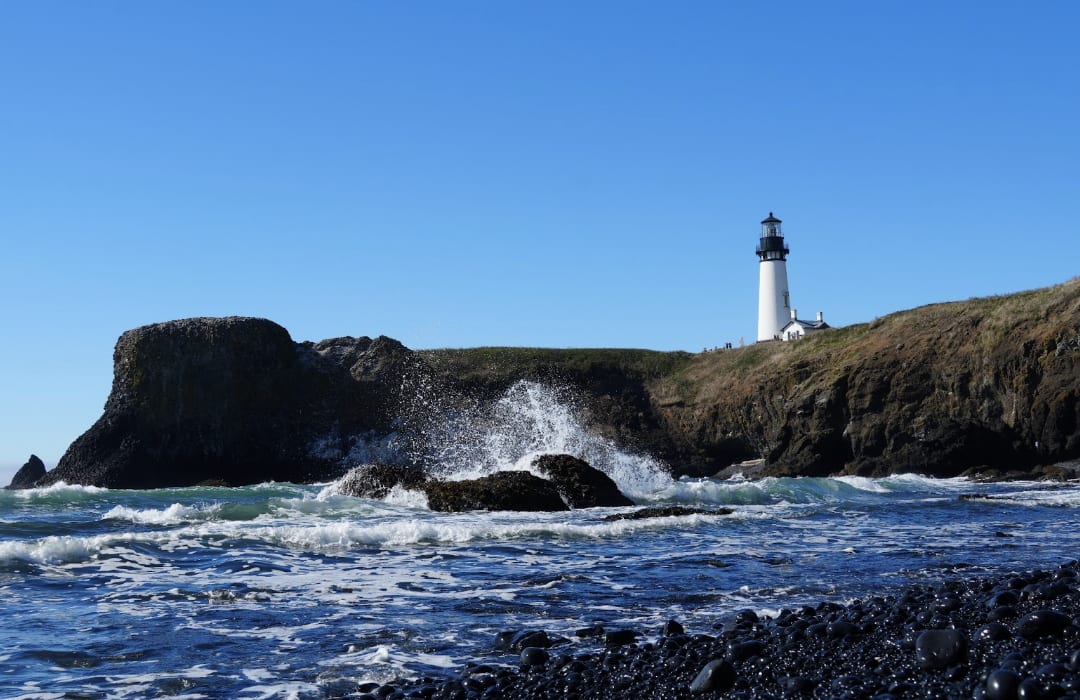
Washington State is packed with variety, from the dramatic peaks of Olympic National Park to its misty rainforests, clear lakes, and wild coastline. Forks, known from the Twilight series, sits nearby, adding a pop-culture note to the area. Iconic volcanoes like Mount Rainier and Mount St. Helens dominate the landscape, while waves crash along the rugged Pacific shore.
Just to the south, Oregon offers just as much to explore, with long stretches of coastline, thick forests, rich wildlife, and endless opportunities for hiking and outdoor adventure.
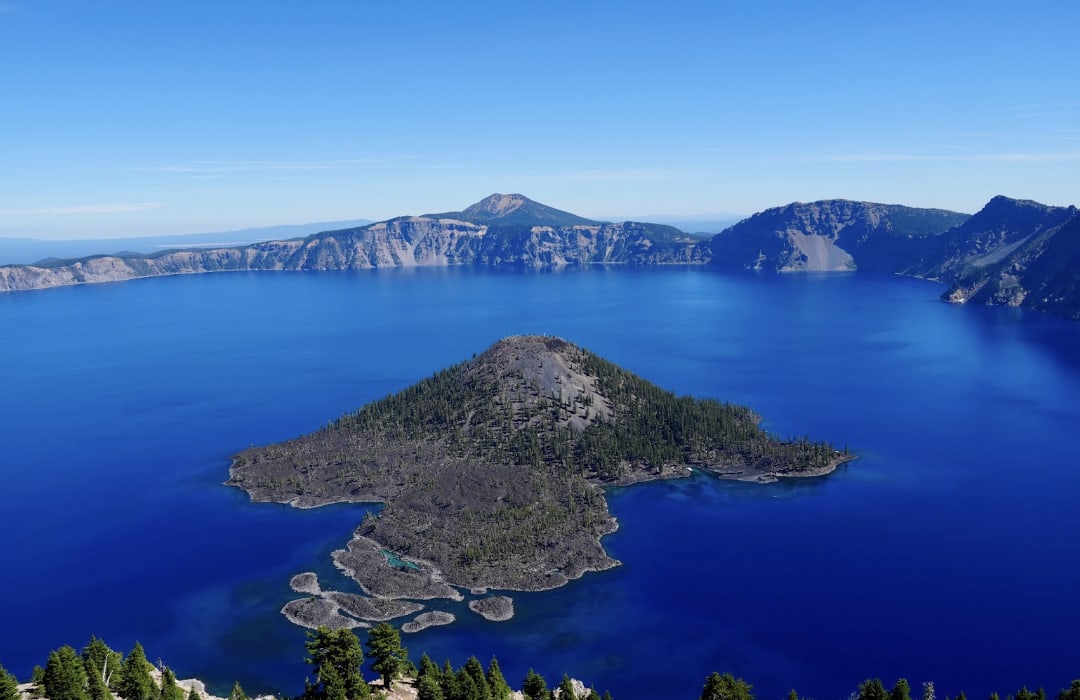
A detour inland to Crater Lake is an absolute must. The lake sits inside a volcanic crater, shines in an intense blue, and features an island with its own small volcano. A true insider tip nearby are the Lava Beds, home to over 1,000 accessible lava caves where you can feel like a real cave explorer. This area also offers one of the clearest night skies in the USA.
Many nature lovers eventually leave the coast behind and head inland toward some of the most impressive national parks in the country. Yosemite is often the first stop, famous for Half Dome and its dramatic granite cliffs. From there, the road continues past the giant sequoias of Sequoia National Park and on to an entirely different world - Death Valley, the hottest place on Earth.
And yes, it’s hot. Really hot. Even in October, temperatures can climb to 45°C (113°F).
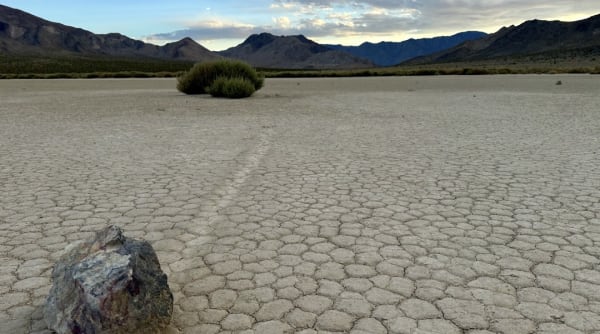
Most visitors stick close to Badwater Basin and the main roads, but those with an off-road-capable vehicle can venture deeper into the desert to one of Death Valley’s strangest sights: the Racetrack. Reaching it means driving about 45 kilometers on a rough gravel road into the middle of nowhere, where a vast, perfectly flat playa stretches for more than five kilometers.
The Racetrack is famous for its “moving stones” - rocks weighing up to 350 kilograms that seem to slide across the ground on their own, leaving long trails behind them. For years, no one could explain how they moved, and theories ranged from strong winds to something more… otherworldly. In 2014, time-lapse cameras finally revealed the truth: thin sheets of ice form overnight, crack as the sun rises, and are slowly pushed by light winds, gently nudging the stones across the damp surface.
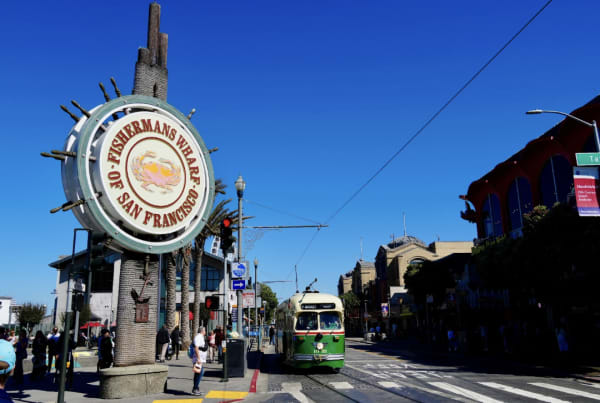


While Death Valley feels lifeless and empty, Las Vegas bursts with life. Flashing neon lights, music everywhere, eccentric street performers, and the promise of instant fortune define this surreal city in the middle of the desert. Gondoliers float through a replica of Venice, fountains erupt in front of Caesars Palace, and the sheer energy consumption needed to power this city is staggering.
Las Vegas is truly out of this world and absolutely worth visiting — including a bit of casino gambling. Minimum bets are often low, making it accessible even for budget travelers — just know when to stop. The energy for all this spectacle comes from the massive Hoover Dam, home to the largest reservoir in the USA.

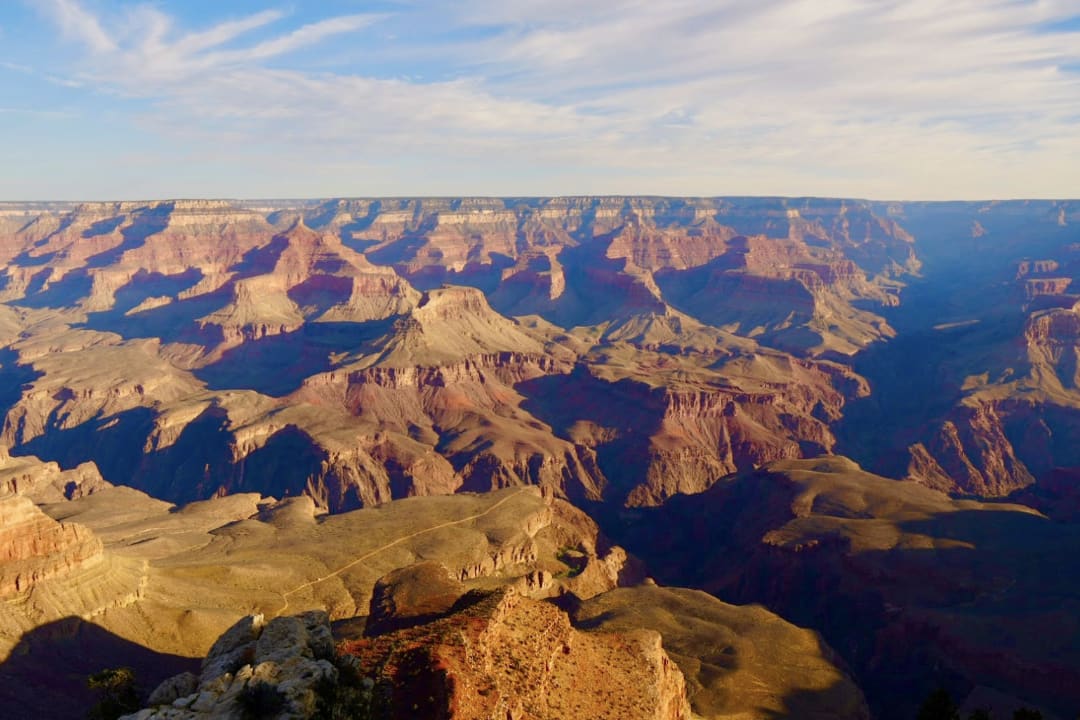
Following Route 66, you eventually reach the Grand Canyon - the largest canyon in the world. The line at the entrance gates may be long, but every minute is worth it when you stand at the rim at sunrise and watch the rocks slowly shift from dark gray to every shade of red and orange imaginable.
From there, the journey continues upward rather than downward. In Zion National Park, peaks rise up to 2,600 meters. Those who are brave - and lucky in the permit lottery - can attempt Angel’s Landing, one of the most dangerous hikes in the world. Chains and narrow ridges lead upward, with a 450-meter drop on either side. Reaching the top is an unforgettable experience.

For those with a fear of heights, The Narrows offer an alternative: hiking for kilometers through a narrow canyon — wet feet guaranteed.
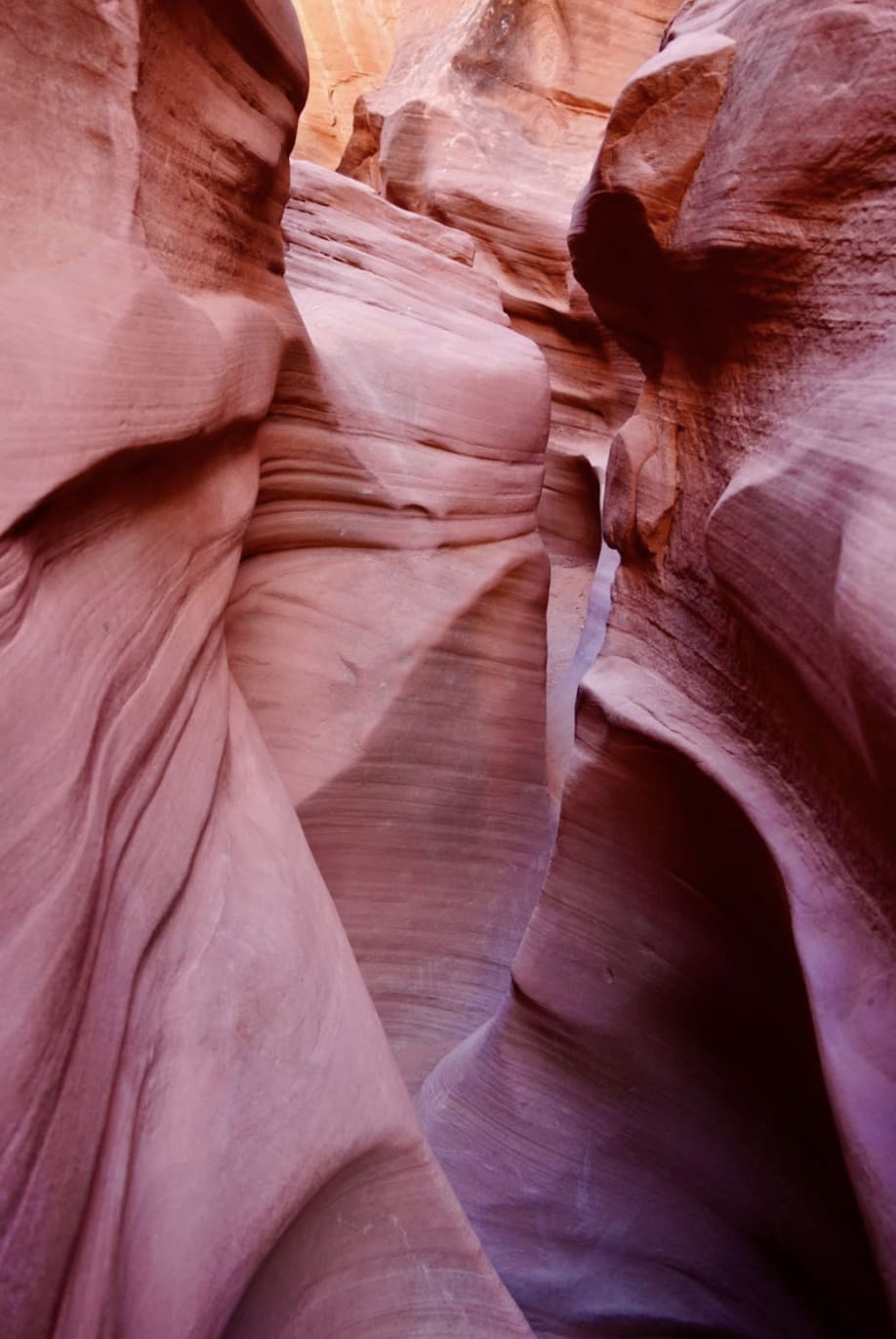
Canyon landscapes continue through Bryce Canyon and into the underrated Grand Staircase–Escalante National Monument, where stunning slot canyon hikes and beautiful remote campsites await.
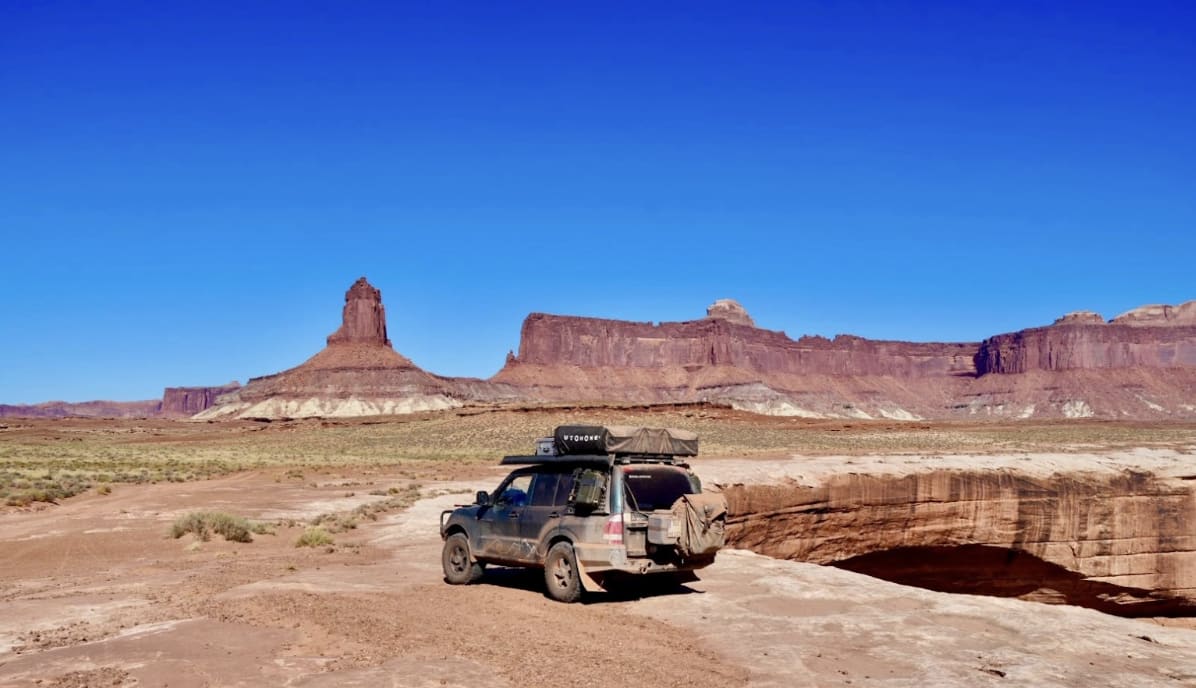
Utah is a true off-roading paradise. Hundreds of kilometers of dirt tracks cross vast desert landscapes far from civilization. Moab, the off-road capital of the state, is packed with 4x4 vehicles, repair shops, and spare parts suppliers.
Road travelers can explore Arches National Park and Canyonlands National Park, both breathtaking in their own way.
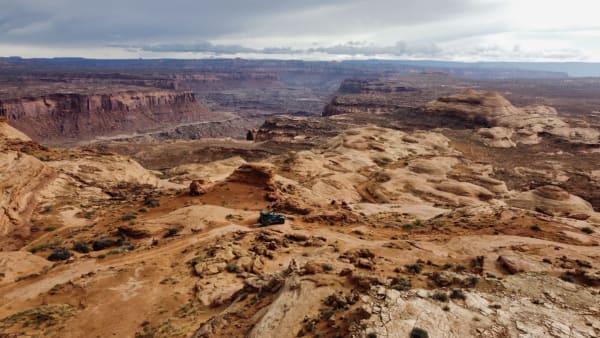
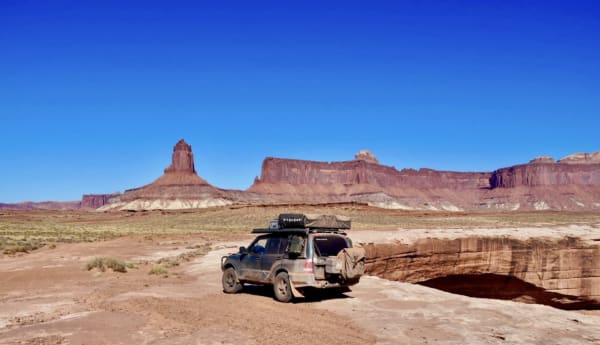
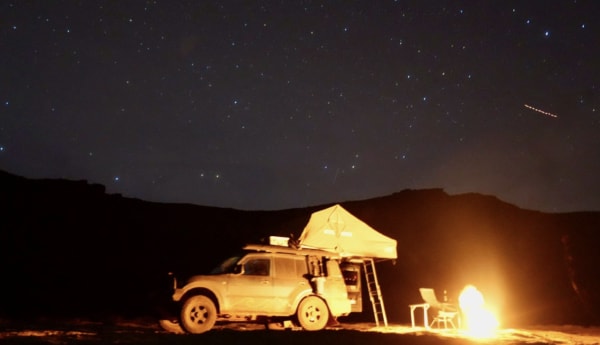
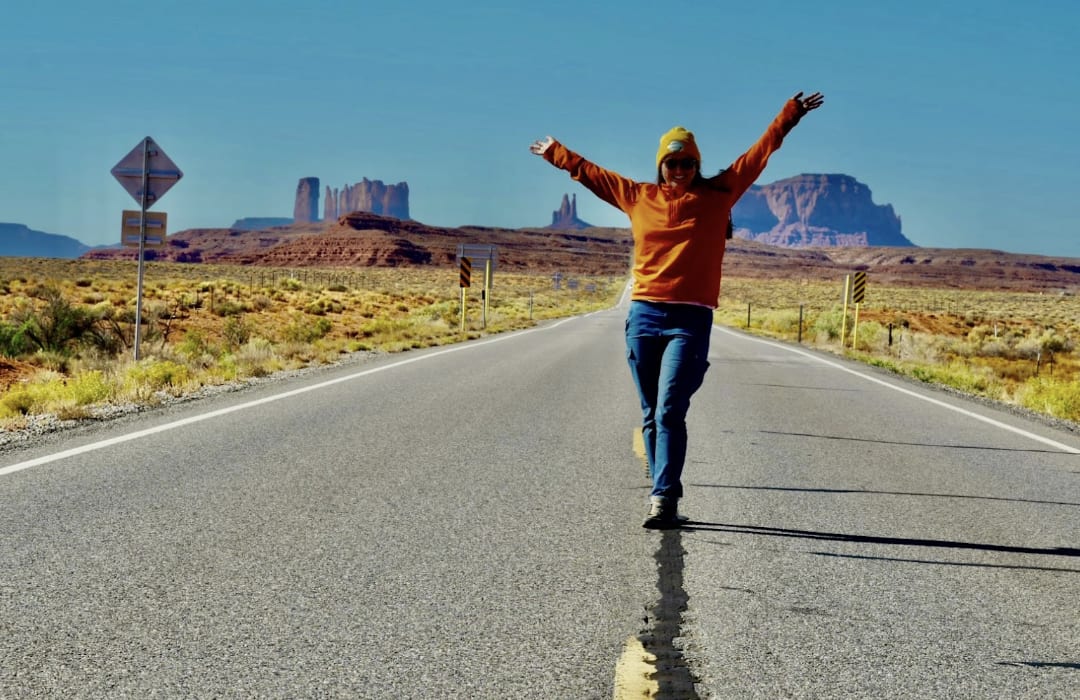
For classic Wild West scenery, Monument Valley is a highlight. The long road leading into the valley is iconic - made famous by Forrest Gump. Arizona also offers stunning places like Sedona and towering saguaro cacti reaching up to 15 meters tall.
Equally striking plants can be found in Joshua Tree National Park in Southern California. From here, it’s only a short drive to cities like Los Angeles and San Diego, where you truly feel the Californian lifestyle - joggers shirtless in November, surfers sharing waves with dolphins.
5.Camping Infrastructure
Camping is deeply rooted in American culture. The USA offers a dense network of campgrounds, RV parks, and public campsites. Private RV parks are often very comfortable but expensive. National and state park campgrounds are usually affordable, simple, and close to nature, often equipped with picnic tables and fire pits but not always with showers or electricity.
Many popular campsites require advance reservations, usually through recreation.gov, which also provides a good overview of availability.
One thing to get used to is the sound of generators. American RVs are huge and energy-hungry, and solar power is still uncommon. Some campgrounds have generator-free zones or restricted operating hours.
Free camping is also possible, depending on the region, you can use apps like CampPilot or StayFree to find a spot for the night. On BLM land and National Forest land, dispersed camping is usually allowed if no local restrictions apply and Leave-No-Trace principles are respected. Especially in the western USA, there are countless legal, free campsites in spectacular surroundings.
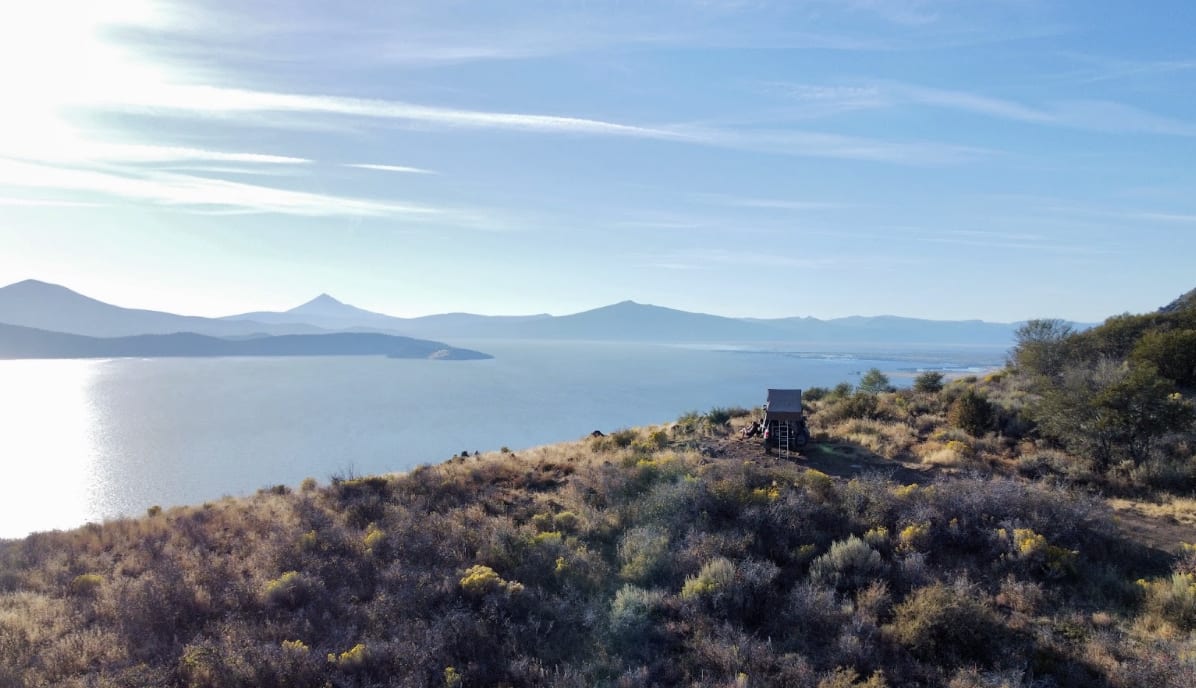
Wild camping is not allowed in national parks.
6.Best Time to Travel
The best travel time depends heavily on the region. Spring and fall are generally ideal due to moderate temperatures and fewer visitors. Summer is best for northern regions and higher elevations, while desert areas can become dangerously hot. Winters bring snow and road closures in many parks, but also solitude, dramatic light, and fewer crowds.
7.Services & Supplies
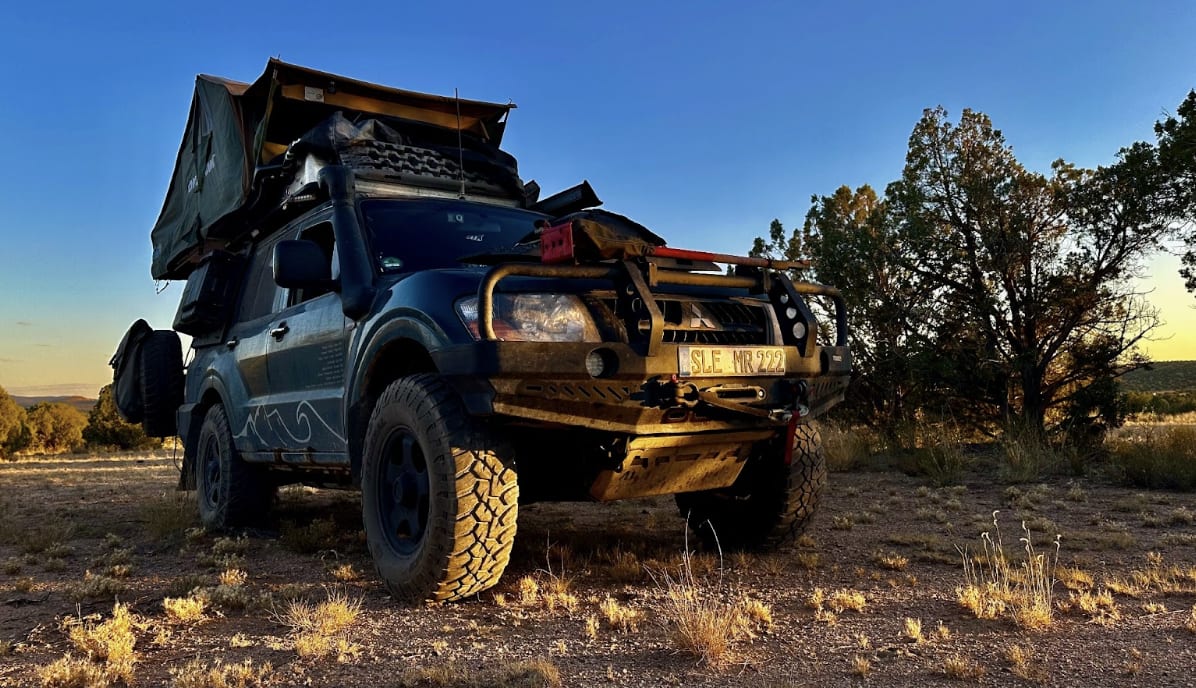
Infrastructure is nearly perfect. Supermarkets like Walmart are widespread and well stocked. Fuel prices are moderate by international standards. Vehicle repairs and spare parts are usually easy to find, although European vehicles can sometimes pose challenges. Large chains follow strict systems, while small independent workshops are often more flexible.
8.Internet & Connectivity
Internet coverage varies widely. Cities offer excellent connectivity, while rural areas and national parks often have little or no signal. Prepaid SIM cards and eSIMs are easy to obtain (e.g. Mint Mobile or AT&T). Wi-Fi is common in cafés, libraries, visitor centers, and many campgrounds. For remote travel, Starlink provides unmatched independence.
9.Costs & Safety
The USA falls into the mid-to-upper cost range. Groceries are generally cheaper than in Canada, while eating out can be expensive. National park campsites are affordable; private RV parks can be costly. There is no nationwide toll system, but some bridges, tunnels, and highways charge fees, particularly in the east.
Fuel is sold by the gallon and is cheaper than in Europe. Sales tax varies by state, and prices in stores are shown net, meaning tax is added at checkout.
Safety
Overall, the USA is safe to travel, but regional differences matter. Cities may have occasional theft, while rural areas are generally very quiet. Natural hazards - heat, flash floods, wildfires, snowstorms - should be taken seriously. Medical care is excellent but expensive, making comprehensive health insurance essential.
10.Food & Supplies
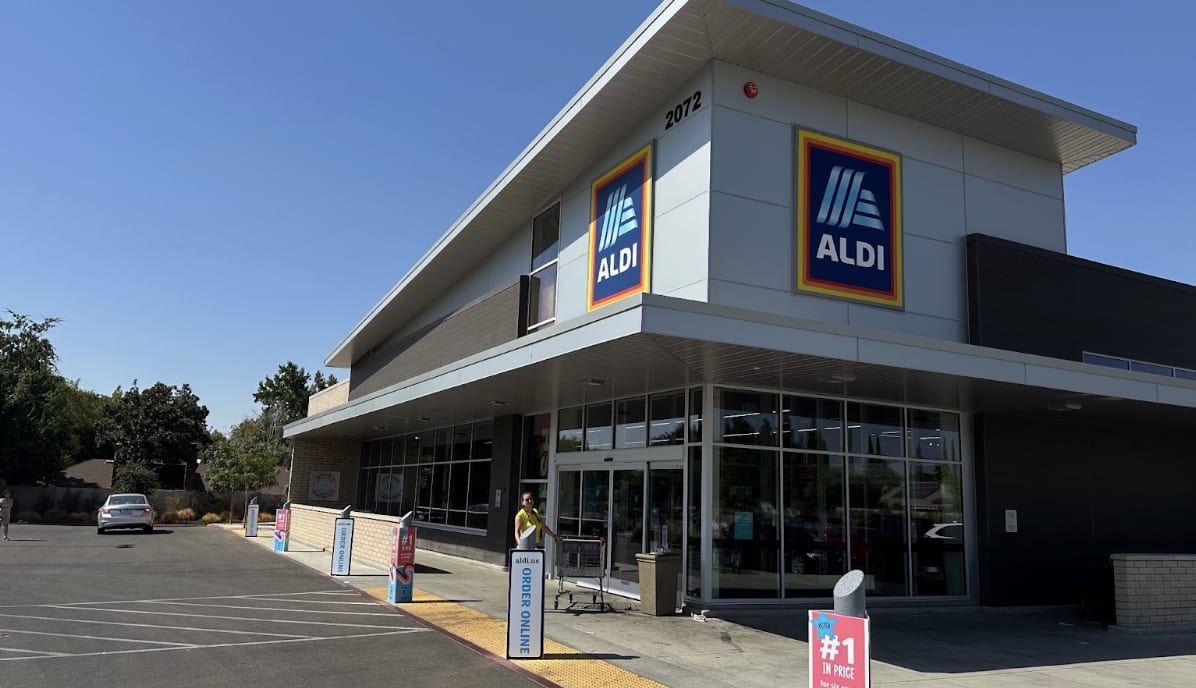
Culinary options are vast, from fast food to regional specialties and international cuisine. Dining out is often expensive, while self-catering is affordable and practical. Large supermarkets make cooking on the road easy, which is ideal for long-term travelers.
11.Conclusion - Camping in the US
Overall, the USA is one of the easiest and most comfortable countries to travel through, and also one of the most diverse. The mix of breathtaking landscapes, excellent infrastructure, and a real sense of freedom makes it an unforgettable part of the journey south.