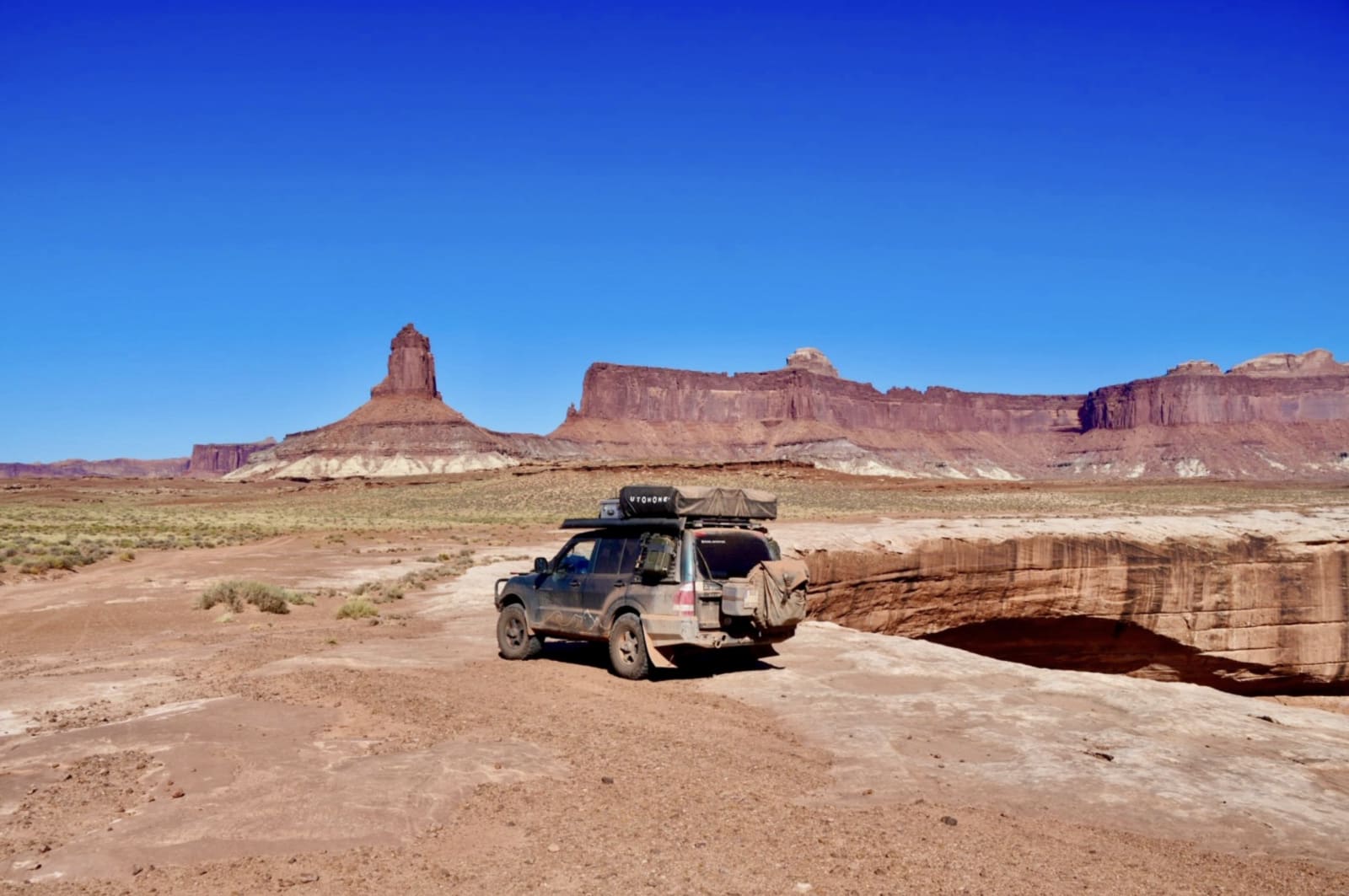
Road Trip
USA Westcoast Roadtrip
At a Glance
Distance
5822 km
Stopovers
76
About This Trip
This is the American West at its most complete. The route doesn't start in Hollywood or Las Vegas - it starts where America is still genuinely wild: on Washington's Olympic Peninsula, in a temperate rainforest so green and moss-covered that it feels like another world. From there, it moves south along the Pacific coast through the towering redwood forests of Northern California, across the Golden Gate into San Francisco, deep into Yosemite, and then into one of the most extreme landscapes on earth: Death Valley. You can't drive any lower in North America.
What comes after is the classic Southwest loop that elevates this trip above any other: Historic Route 66, the Grand Canyon South Rim, Zion National Park, Bryce Canyon, the Grand Staircase-Escalante wilderness, Arches National Park, Canyonlands, Monument Valley - and back through Flagstaff, Joshua Tree, and the San Bernardino National Forest to San Diego. Seventy-six stops. Ten national parks. Three climate zones. One camper. This isn't a vacation - it's America experienced the way it's meant to be.
What makes this route so extraordinary is the range. You can wake up in a temperate rainforest that receives 140 inches of rain per year, and three days later fall asleep in the driest, hottest desert in North America. From an 85-meter coastal redwood to the 86-meter-below-sea-level salt flats of Badwater Basin, it's not a long journey on this route - just a few hundred miles through the most astonishing piece of land on the planet.
Camper bucket list
Walk the Hall of Mosses in the Hoh Rainforest - ancient maple trees whose branches hang entirely in emerald-green moss
Sit at Ruby Beach on the Olympic Coast at sunset, sea stacks dissolving into coastal fog
Drive the Avenue of the Giants - redwoods so tall the sky disappears and you feel the size of an insect
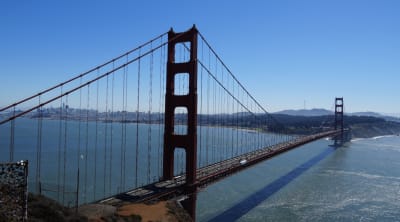
Cross the Golden Gate Bridge in your camper and have breakfast in Sausalito on the other side
Stand at Tunnel View in Yosemite at sunrise - El Capitan, Half Dome, and Bridalveil Fall all at once
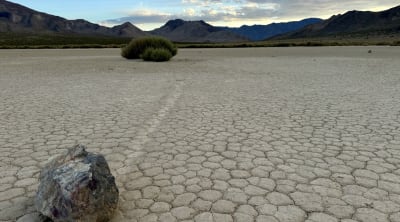
Walk out onto the salt flats at Badwater Basin, 282 feet below sea level, surrounded by white salt and surreal silence
Drive the old Route 66 between Seligman and Kingman - pure American road trip nostalgia at 45 mph
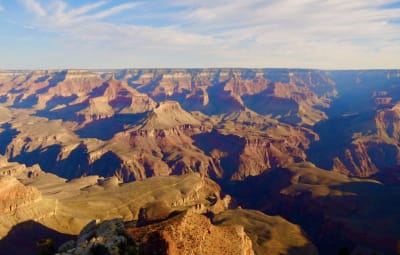
Watch sunrise fill the Grand Canyon with orange light from the South Rim
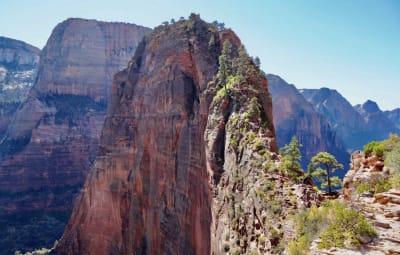
Wade The Narrows in Zion - knee-deep in the Virgin River between 300-meter sandstone walls
Hike Bryce Canyon under a full moon when the hoodoos glow silver
Watch the sun set behind Delicate Arch in Arches - the image on every Utah license plate
Drive through Monument Valley and understand why every Western was filmed here
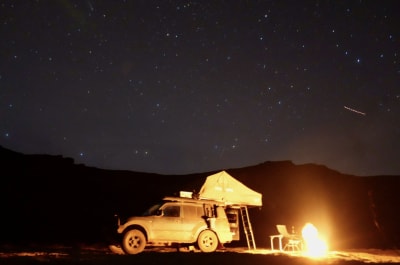
Camp in Joshua Tree under one of the darkest and most star-filled skies in the American Southwest
Stopovers
Good to Know
Book permits and campsites months in advance.
Yosemite Timed Entry (May–September), Arches Timed Entry (April–October), Angel's Landing Permit in Zion (lottery on recreation.gov - apply well ahead), Grand Canyon Mather Campground, Watchman Campground in Zion, North Campground in Bryce - all require advance booking on recreation.gov. The most sought-after spots open their booking windows 6 months ahead and sell out within minutes. Use campsite-monitoring apps like CampNab or RecDrop to catch cancellations.
The America the Beautiful Pass: the best $80 you'll spend.
The Interagency Annual Pass costs $80 and gives you unlimited access to all National Parks, National Forests, BLM lands, and other Federal Recreation Areas for a full year. This route passes through Olympic, Redwood, Yosemite, Death Valley, Joshua Tree, Arches, Canyonlands, Bryce Canyon, Zion, and the Grand Canyon - at least ten national parks. Without the pass, entrance fees alone would exceed $250. The pass pays for itself after the third park. Buy online at store.usgs.gov or at any park entrance.
Death Valley in summer is genuinely dangerous - plan accordingly.
Death Valley in June, July, and August is life-threatening for campers without full air conditioning in their vehicle. Campgrounds have no shade and temperatures stay above 100°F through the night. The season for Death Valley camping is October to April - in this window the weather is pleasant (70–85°F days, 40–55°F nights) and the park is beautifully quiet. If you must pass through in summer: drive early morning, stay in the vehicle with AC running during midday, and carry far more water than you think you need.
Bear boxes are required in many parks.
In Yosemite, Sequoia, Kings Canyon, and several other parks, all food and scented items must be stored in a certified bear-resistant container overnight. In a camper, the vehicle itself counts (keep doors closed, no food scraps visible). Yosemite rangers actively fine violators. Simple rule: nothing with a smell outside of your locked vehicle after dark - including empty packaging, toiletries, and trash.
Packing Checklist
Weather & Seasonality
May
Jun
Jul
Aug
Sep
Oct